Aston Martin is teasing its Valkyrie upgrade, and two years of patience sit behind it
Aston Martin released just enough images to start a conversation, not to answer every question.
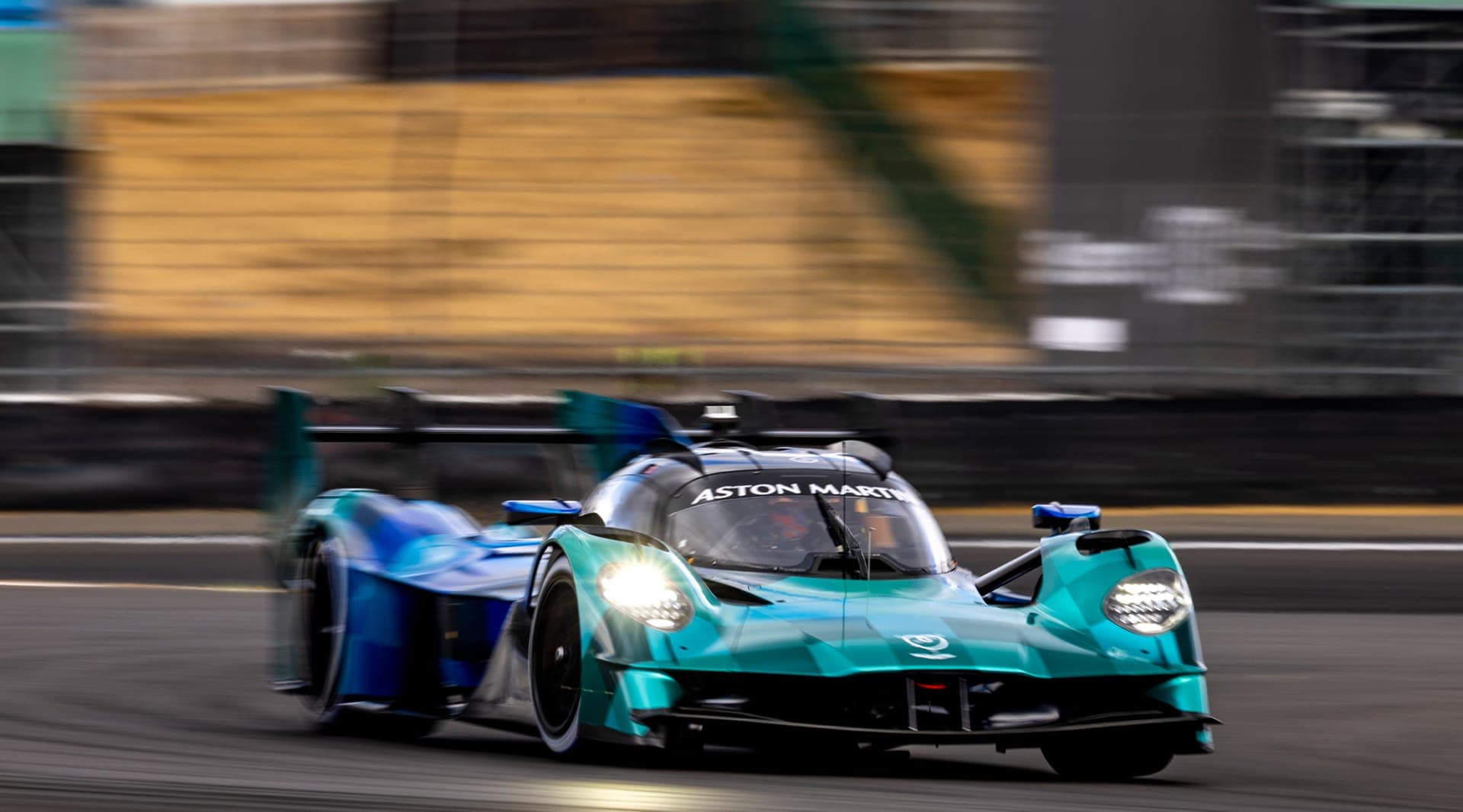
Aston Martin has been spotted testing an updated Valkyrie hypercar at Silverstone, with a reworked rear aerodynamic package visible in images the brand released this week. The changes preview the car's first major evo joker upgrade, expected to arrive for the 2027 FIA World Endurance Championship season.
The evo joker system
Hypercar and GTP regulations allow each manufacturer up to five evolution jokers through 2027, a fixed allowance of updates a car can make outside the usual homologation freeze. Any jokers left unused simply expire once 2027 arrives. Aston Martin and Genesis have been the last manufacturers on the grid yet to use one.
What actually changed
The images Aston Martin released show a reworked rear end, with revised aerodynamic surfaces the most visible update on the car. Full specifications have not been confirmed, but the development is aimed squarely at two known weaknesses: aerodynamic drag and performance on bumpy or street-style circuits, both areas where the Valkyrie has struggled since its debut.
Why Aston Martin waited
Heart of Racing team principal Ian James says the decision to hold off was deliberate. The team wanted to extract every bit of performance from the original specification before committing to a bigger change, carrying the same package through the 2025 and 2026 seasons while rivals updated around it. Driver Ross Gunn describes the current process simply: the team is working through where the car can still improve before 2027 arrives.
The results problem
Patience has not translated into pace. The Valkyrie's only podium remains second place at last year's Petit Le Mans, its best Le Mans 24 Hours finish sits at eighth, hampered by excess drag, and this year's 6 Hours of Spa produced a fourth. The car has proven reliable across two seasons in the FIA World Endurance Championship and IMSA, which is not nothing, but reliability alone does not win races in a field this deep.
Why now
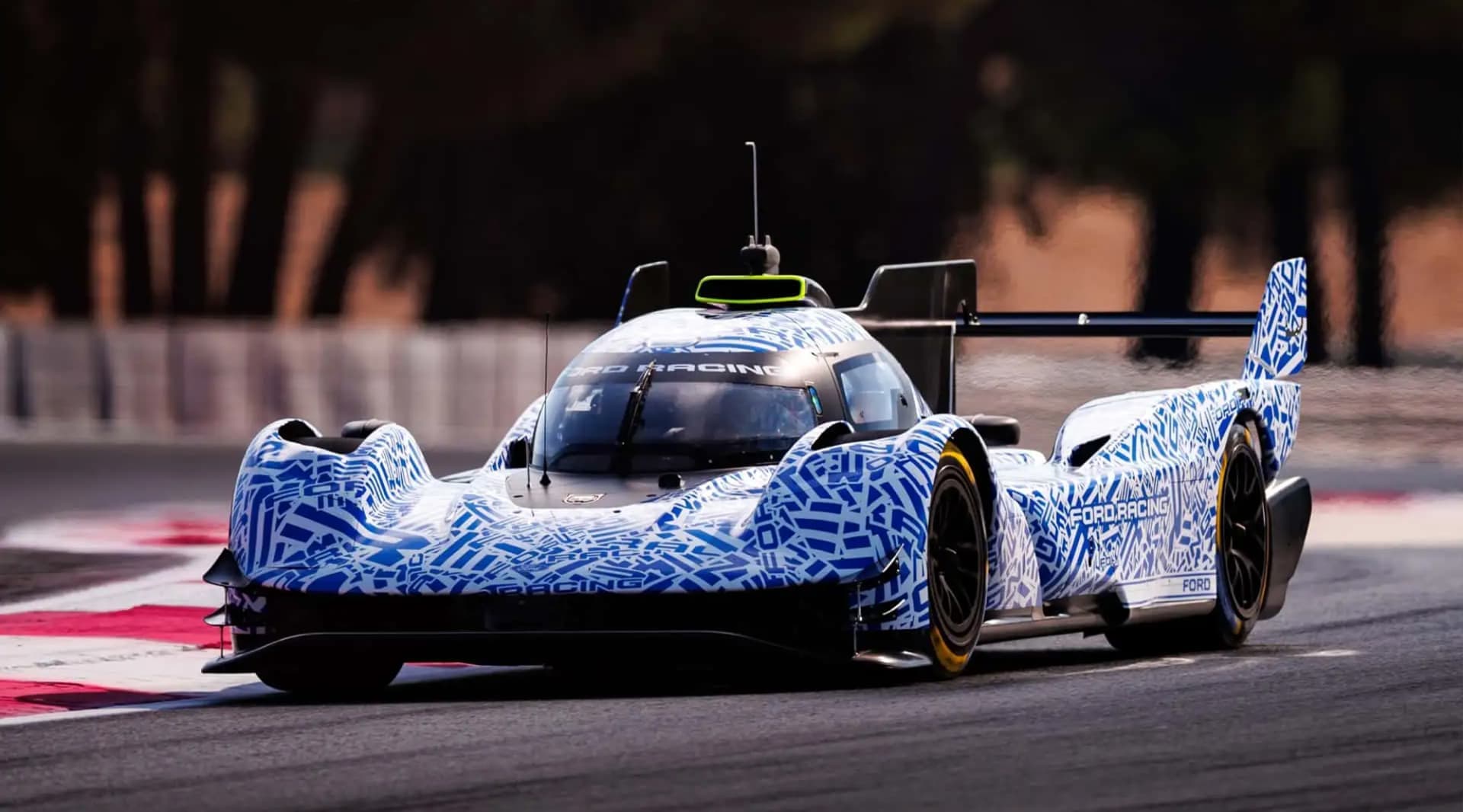
Ferrari and Peugeot are working on evo joker updates of their own, and the grid is only getting harder to survive. Ford is already turning laps in its own Le Mans Hypercar, and McLaren joins the top prototype class too for 2027, adding two more well-funded manufacturers to a field that already includes Porsche, Toyota, Cadillac and BMW.
AutoNext Take
Waiting is not usually a strategy anyone praises in motorsport, but Aston Martin's logic here is sound. Spending an evo joker too early, before you understand exactly where a car is weak, risks wasting a limited resource on the wrong fix. Two seasons of reliable, if unspectacular, racing have told Heart of Racing precisely where the Valkyrie loses time: drag, and rough circuits. That is a genuinely useful data set to build an upgrade around.
The risk is that patience curdles into being left behind. Ferrari and Peugeot are not waiting, and 2027 adds Ford and McLaren to a class that was already brutally competitive. Aston Martin has one chance to spend its evo jokers well, and the rear end spotted at Silverstone had better be the start of a real step forward, not a modest tidy-up dressed up as one.