Audi built a V8 supercar in a record 405 days, and the rush is the point
A supercar in 405 days is not about the car. It is about buying a new face, fast
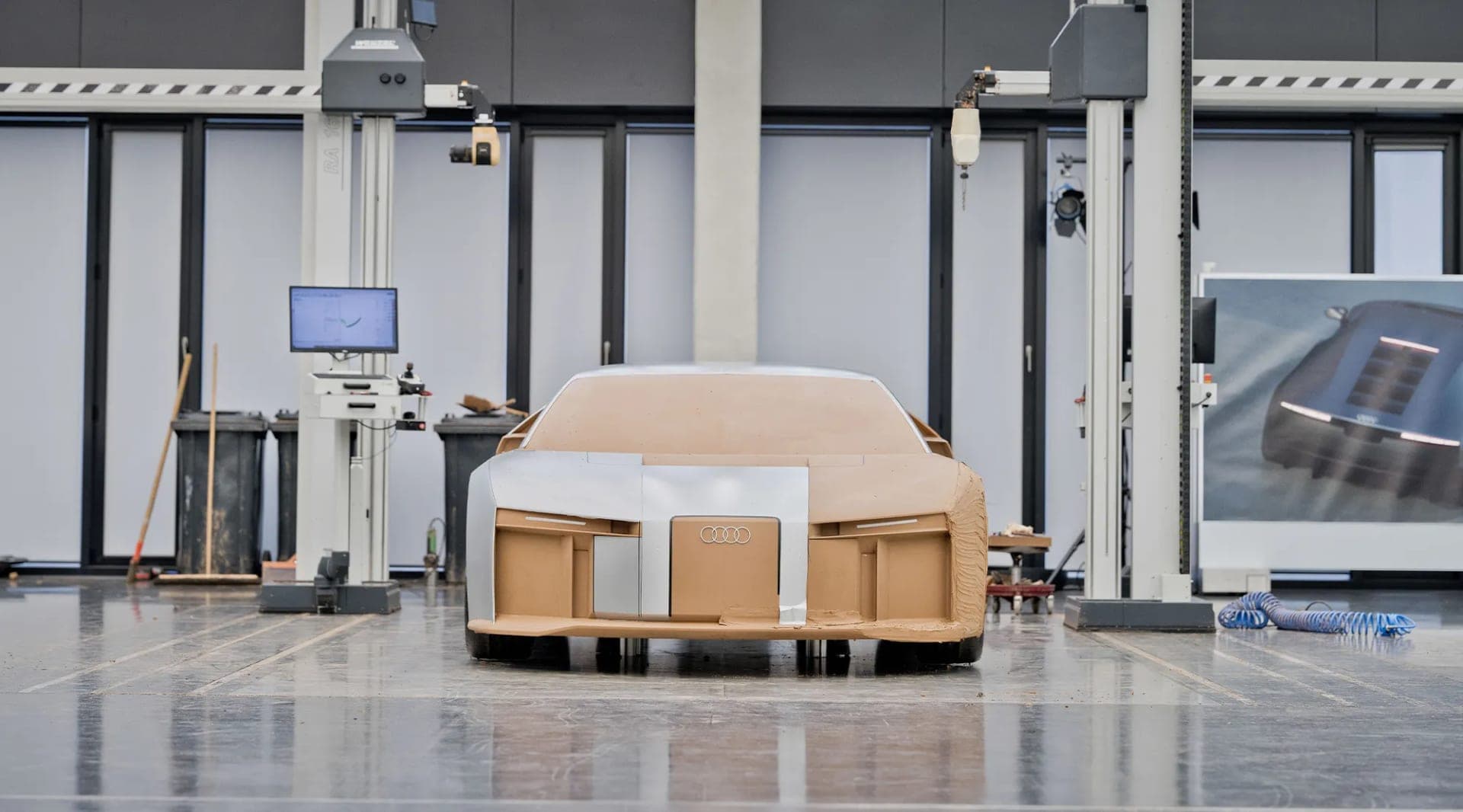
Audi has revealed the Nuvolari, a limited-run V8 supercar and spiritual successor to the R8, and the headline it wants you to notice is the clock. From first sketch to a fully functional prototype took just 405 days, an extraordinary sprint in a world where a supercar usually needs three or four years. The speed is not a boast about efficiency. It is a tell. Audi did not build the Nuvolari primarily to sell 499 supercars. It built it to give the entire brand a new face, and it could not afford to wait.
What the Nuvolari actually is
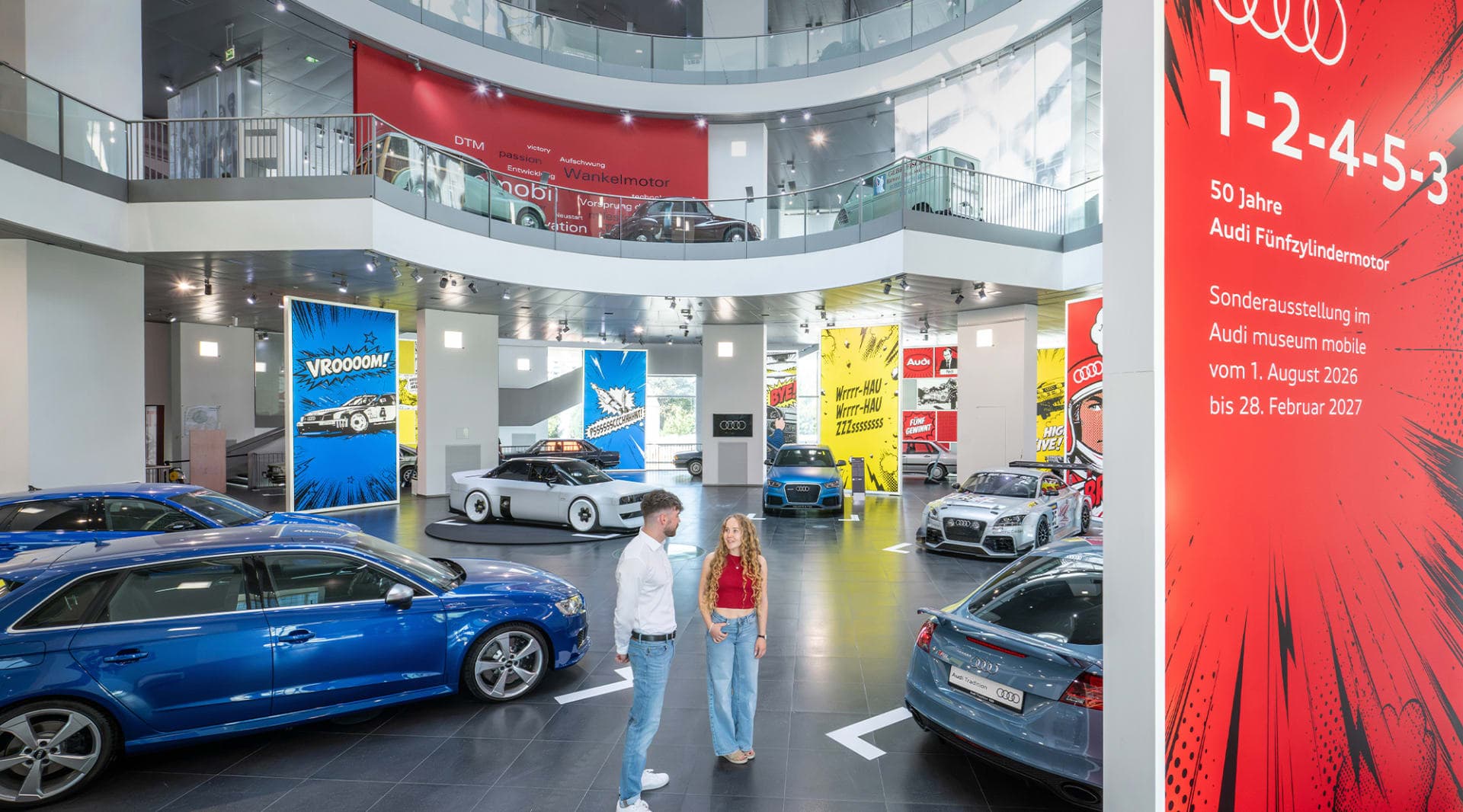
Named after Tazio Nuvolari, the pre-war racing legend tied to Audi's Auto Union ancestry, the new car is a limited production supercar, capped at 499 units, positioned as the true heir to the R8. It rides on the same platform as the Lamborghini Temerario, meaning a twin-turbocharged 4.0-litre V8, and Audi claims a top speed beyond 350 km/h. Underneath the shared hardware, though, it is styled entirely as an Audi, and it is the first car to wear the brand's new design language. Deliveries are targeted for the first half of 2027, and Audi chose to reveal it not at a motor show but at the Hotel du Cap-Eden-Roc in Antibes, on the eve of the Monaco Grand Prix.
405 days is a flex, and a message
The development sprint is genuinely remarkable. Audi says it went from the first sketch to a running, tested prototype, cold-weather work in Lapland, suspension tuning in Spain, high-speed running at Nardo in Italy, in 405 days flat. Supercars simply do not happen that quickly, which is the point. Audi has spent years being accused of designing cars that are technically excellent and emotionally anonymous, a brand of tasteful sameness. A dramatic, low-volume halo is the fastest and most emotional way to stand up and say the new Audi looks like this, and the brand clearly decided it could not wait for that message to arrive with an ordinary model.
The boldest design choice is the one it refused to make
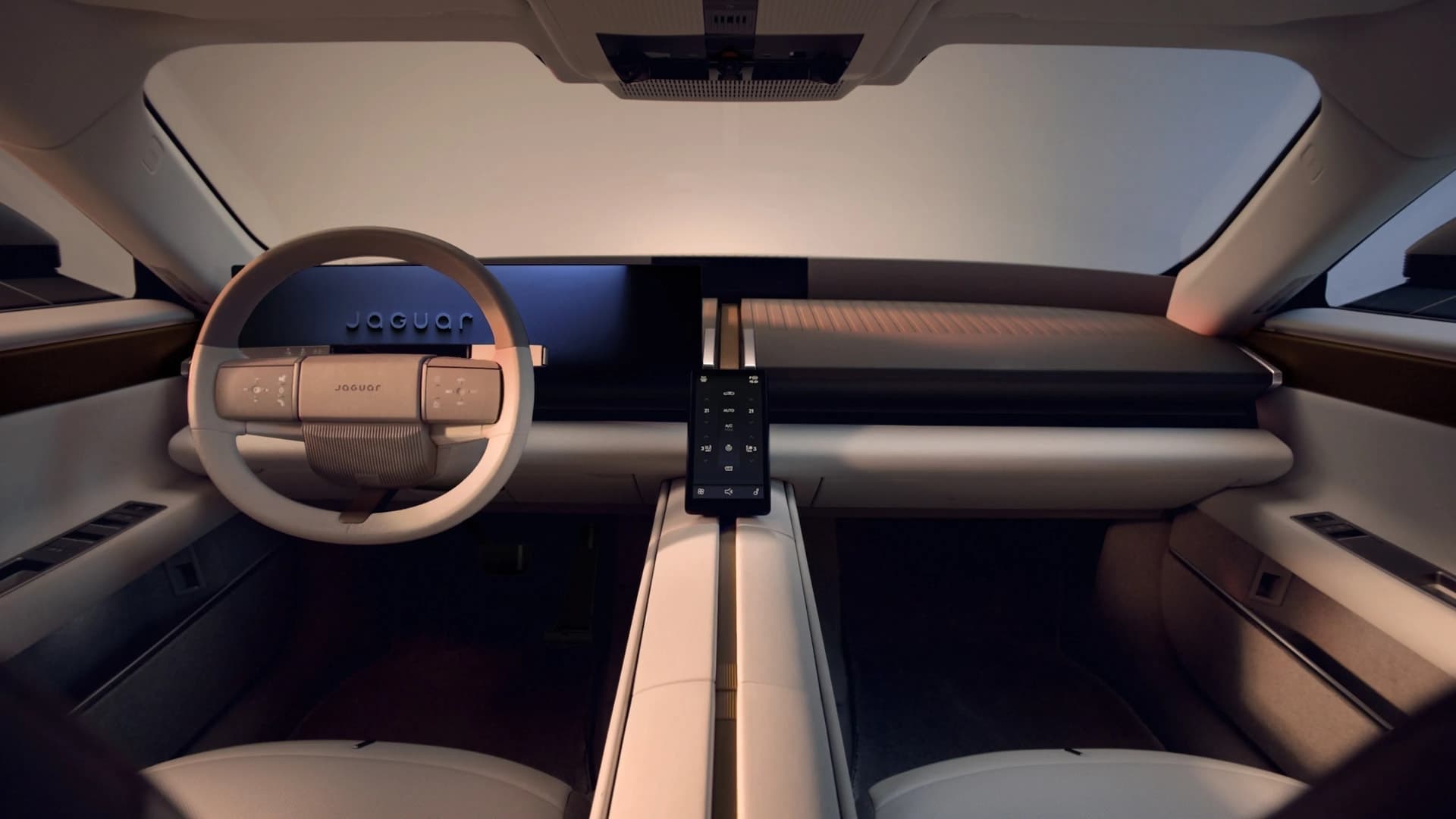
The most revealing thing about the Nuvolari is what it does not have. There is no giant fixed rear wing, only an adaptive spoiler that hides until it is needed, plus an F1-style drag reduction button on the wheel. Chief creative officer Massimo Frascella reportedly killed a proposed big wing with the words over my dead body, and the result is what Audi calls a gentleman racer: clean, composed, confident rather than aggressive. In a supercar class addicted to ever more aero and drama, defining your halo by restraint is a genuine statement, and it is exactly the instinct we have just seen elsewhere, from Jaguar hiding the screens in its radical new GT to Bugatti's design boss expressing pure taste through subtraction. Calm confidence, it seems, is the new flex.
A halo built to sell the cars you cannot see yet
Here is the strategy laid bare. Audi has openly framed the Nuvolari as a proof of concept for the design language that will reach volume production with the electric A4 in 2028. So while 499 wealthy buyers get the car, the real audience is everyone quietly deciding whether the next generation of ordinary Audis is worth wanting. It is worth being honest about the mechanics: like Bentley building its first EV on a Porsche platform, the Nuvolari borrows its bones from Lamborghini, so the hardware is not uniquely Audi; the design and character are. And a gorgeous, borrowed-platform halo does not by itself fix mainstream Audi styling or the brand's bumpy electric transition. But as a statement of intent, tied to the racing heritage Audi loves to invoke, it is the most convincing thing the brand has shown in years.
AutoNext Take
Audi did not spend 405 furious days building the Nuvolari to shift 499 supercars; that is almost a side effect. It built it to remind the world that Audi can still make you feel something, and to do it before its genuinely important cars, the electric ones that will actually pay the bills, arrive in 2028. As a piece of strategy, that is both a little cynical and completely correct.
Because the honest truth is that Audi has spent a decade as the quiet, sensible, faintly anonymous member of the German big three, brilliant and forgettable in equal measure. A restrained, fast, emotionally confident V8 halo, built at record speed and defined by the wing it refused to fit, is exactly the jolt the brand needed. The only question that matters now is whether the ordinary Audis of 2028 inherit this car's courage, or whether the Nuvolari ends up the most exciting thing Audi builds all decade and a promise it does not keep. Over to you, Ingolstadt.