Audi has sold Italdesign, the house that drew the Golf, to UST
Turin's most famous design house now answers to Aliso Viejo
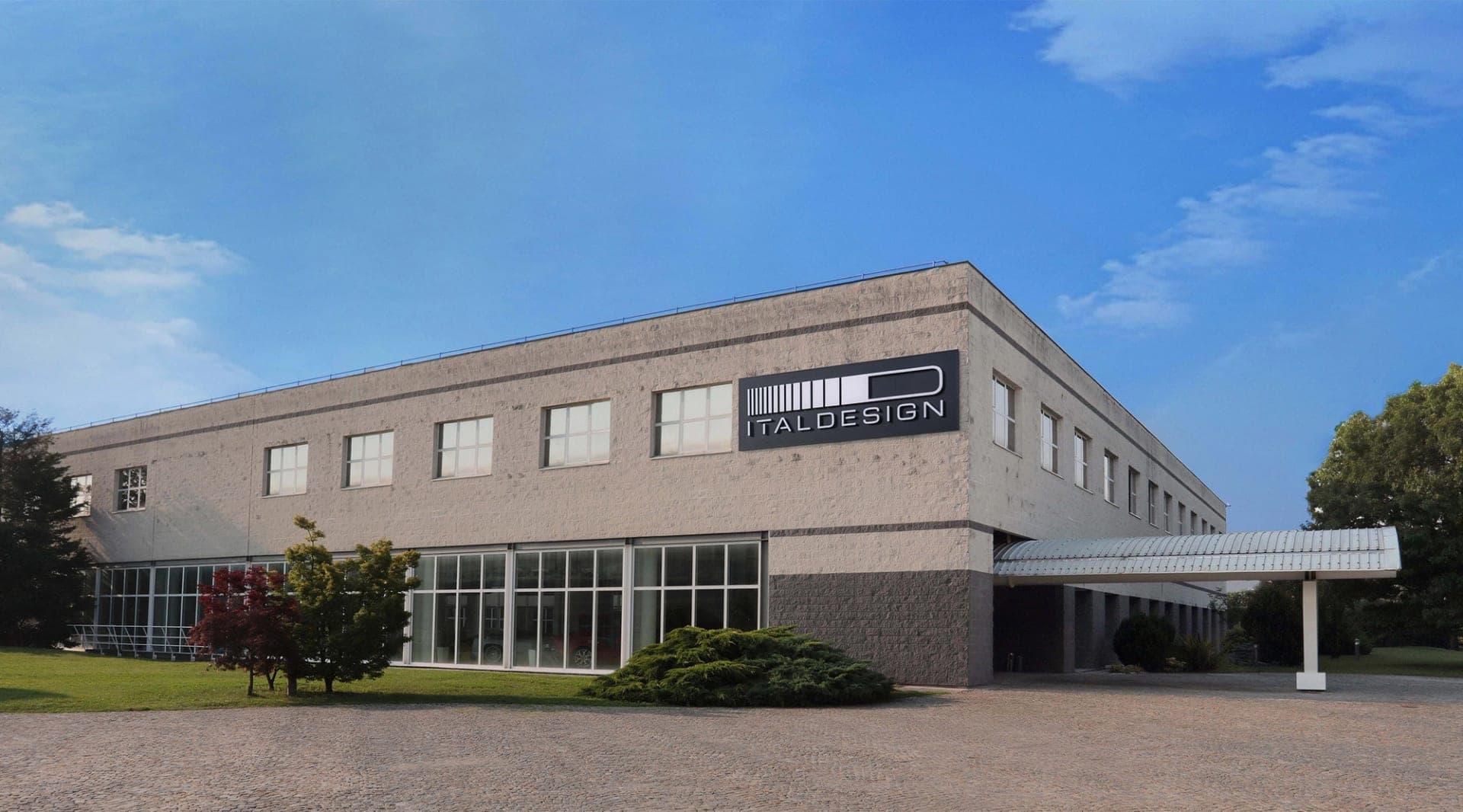
Italdesign confirmed on Monday that the transfer of a majority stake to UST has cleared its regulatory approvals and completed, ending sixteen years inside Volkswagen for a company whose drawings shaped the Volkswagen Golf, the Fiat Panda and the Lancia Delta. The buyer is not a carmaker and not a rival studio. It is a software services group from California.
UST takes the majority, Lamborghini keeps a significant stake
UST is now Italdesign's majority owner and assumes operational responsibility for it. Automobili Lamborghini, which held Italdesign inside the Audi Group, keeps what Audi calls a significant stake, so Ingolstadt stays attached as both a strategic partner and a paying customer. No price has been published, and none has been disclosed since the agreement was signed in December 2025. What has been stated is the ambition: UST says the combined business should become the first full integrator of hardware and software worldwide.
Moncalieri keeps its 1,300 staff and ten international sites
Nothing visible changes at the Turin operation. Italdesign says its Moncalieri headquarters, its management, its workforce and its operating structure all stay as they are, and it still lists more than 1,300 people across ten sites, among them Barcelona, Wolfsburg, Ingolstadt, Shanghai and Detroit. UST's stated plan is expansion rather than absorption, using its own presence in more than 30 countries to sell Italdesign's engineering into markets it has never reached. Continuity promises are cheap on the day a deal closes, but the shape of this one supports them: UST has bought a business it does not know how to run itself.
Giorgetto Giugiaro walked out of Italdesign back in 2015
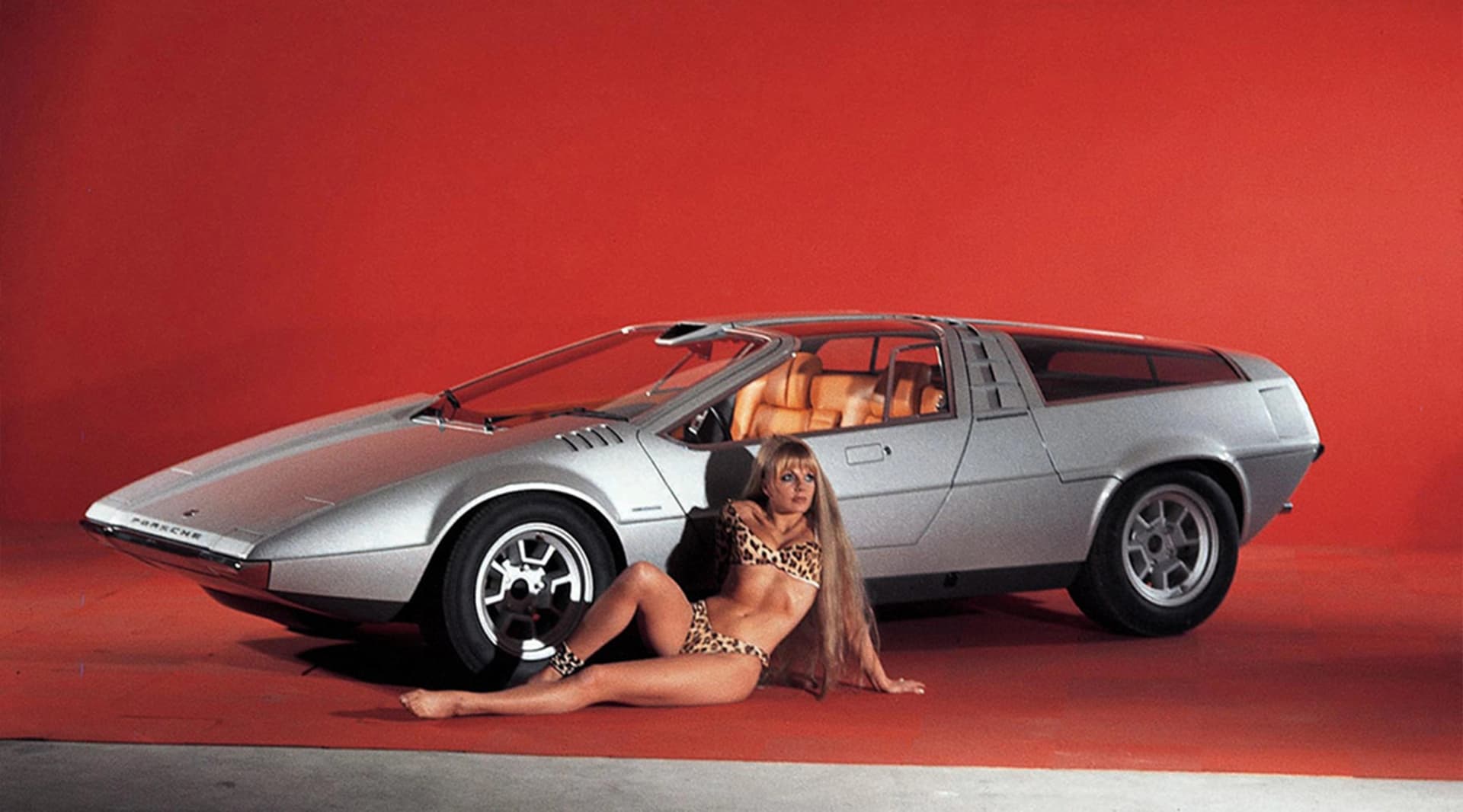
The name above the door left long before the company did. Giugiaro founded Italdesign in Turin in 1968 with Aldo Mantovani, sold 90.1% to Volkswagen in 2010, then sold the remaining 9.9% he and his son Fabrizio held in June 2015. Both resigned from the board and he gave up the honorary chairmanship, then started again at 76 with a new studio, GFG Style. His Italdesign decades produced the Alfa Romeo Alfasud, the BMW M1, the Lotus Esprit and the DeLorean, along with wedge concepts such as the 1970 Porsche Tapiro. This is the second time the business has changed hands without him.
Italdesign grew more than 15% a year from 2022 to 2025
Audi did not sell a problem. Italdesign reports average annual revenue growth above 15% across 2022 to 2025, and its work runs well past styling: more than 300 production models developed, more than 120 show cars and research prototypes, aerospace work on the VRT500 helicopter, and bespoke builds such as the 20 Nissan GT-R50 cars delivered between 2018 and 2022. That is a healthy engineering consultancy by any reading. Audi let go of it anyway, which points at a decision about focus rather than performance.
Volkswagen is spending up to $5.8 billion on Rivian software
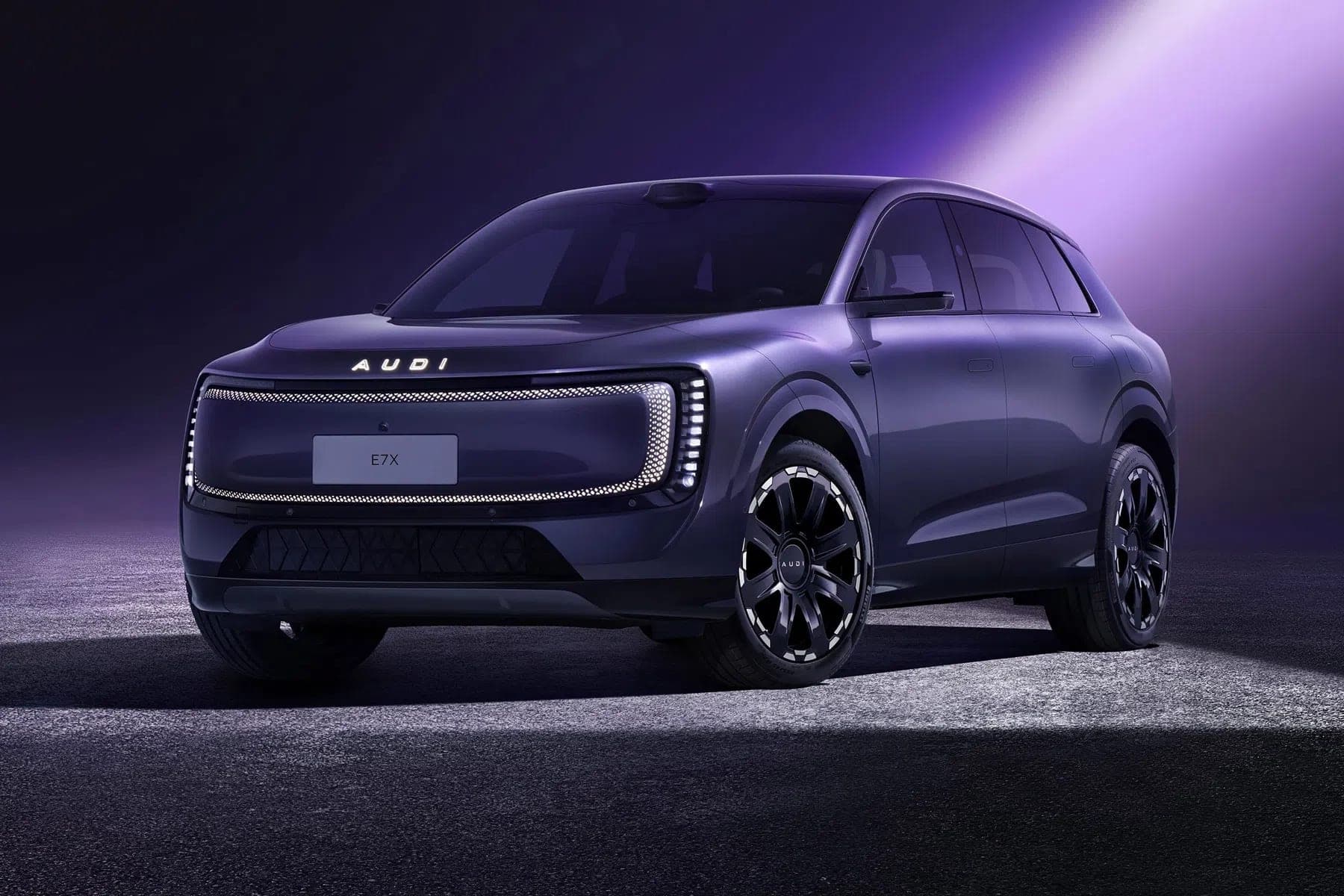
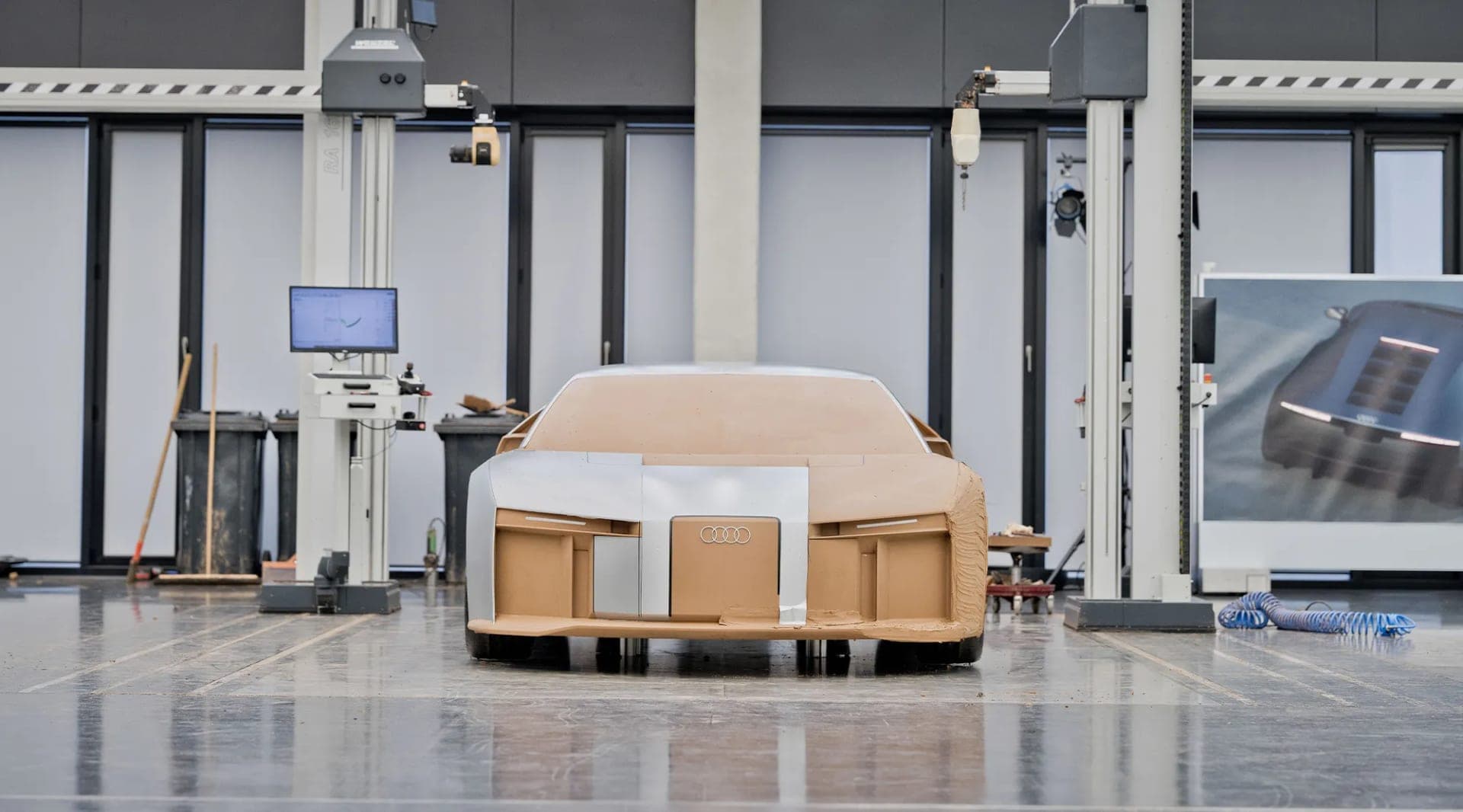
The wider context sits one floor up. While Audi was arranging to hand Italdesign to an American software house, its parent was writing cheques to a different one: the Volkswagen Group's joint venture with Rivian is worth up to $5.8 billion, aimed at zonal electronics and the software stack beneath future models. Audi has leaned on Chinese development for its e5 and e7x, and it signed off an entire V8 supercar in 405 days. The group is not short of design and engineering capacity. It is short of software, and it is buying that elsewhere.
AutoNext Take
The number that explains this deal is not a price, because no price was published. It is 30,000 against 1,300. UST employs roughly 23 times as many people as the company it has just bought, and almost none of them draw cars. Audi has not sold a design house to a design buyer. It has sold it to a systems integrator that wants Italdesign's ability to turn a concept into a running prototype, and treats the styling as the part that arrives free with it.
Here is the test. If UST is right, Italdesign's next signature project will be someone else's software-defined vehicle programme, for a brand nobody currently associates with Turin, and it will land faster than an Audi Q2 development cycle would have allowed. If Audi is right, the group loses nothing it cannot rent back, because it kept the customer relationship and Lamborghini kept the stake. Both can be true at once. What cannot be true is the comfortable version, in which a 58-year-old Italian studio joins a Californian AI firm and nothing about the work changes.