Belgium's car inspection is about to get simpler and far less frequent
One of the most disliked chores in motoring just got a lot lighter
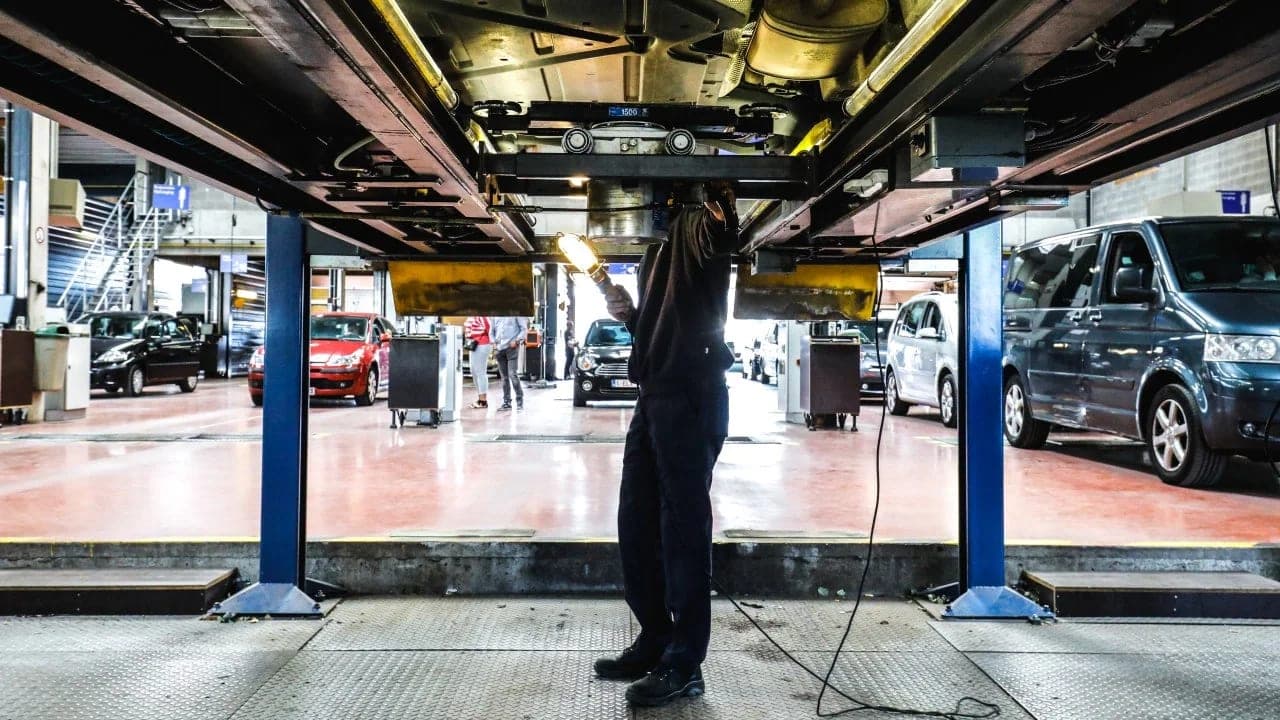
Almost nobody enjoys the annual trip to the inspection centre. In Flanders, that trip is about to become far less frequent and a good deal simpler. From 1 September 2026, a wide-ranging reform of the Belgian technical inspection cuts how often most vehicles have to be tested, strips out paperwork and gives drivers much more breathing room to fix problems. For once, a rule change is squarely in the motorist's favour.
Every two years, not every year
The headline change is frequency. Passenger cars move from a yearly inspection to one every two years. This has been phased in since 2024, starting with younger cars, and from September 2026 the two-year rhythm applies to all passenger cars, including older ones. It is not just cars: vans and light freight vehicles will shift to a two-year cycle gradually between 2026 and 2028, agricultural and fairground vehicles go from yearly to every two years, while taxis and ambulances move from every six months to once a year, and buses from every three to six months to yearly.
Less paperwork, more time to fix faults
The admin gets lighter too. You will no longer need to bring your insurance certificate to the inspection, and the temporary three-month certificates issued for minor defects are being scrapped. Most significantly, the deadline to repair a serious defect, the dreaded red card, is being extended from just 15 days to a full two months, taking a lot of stress out of a failed test. Fitting a tow hitch will also no longer trigger a mandatory inspection.
A shake-up for buying and selling used cars
There is a bigger change on the way for the second-hand market, though it still needs final approval. Under the proposals, the mandatory inspection when selling a used car privately within Belgium would disappear, with only imported vehicles still requiring one. Two safeguards stay firmly in place: the Car-Pass mileage certificate remains mandatory for every sale, and a car that has been in a serious accident must still be re-inspected before it returns to the road.
AutoNext Take
This is overdue common sense. Belgium was unusually strict in demanding a yearly test, when much of Europe, Germany's TUV among them, has run perfectly safely on two-yearly checks for years. Modern cars are far more durable and self-monitoring than the ones these rules were written for, and asking owners to lose an afternoon and a fee every single year was hard to justify. Halving that burden, while keeping the Car-Pass and accident re-inspections, looks like a sensible rebalancing rather than a race to the bottom on safety.
The fair worry is that a two-year gap lets more worn tyres and tired brakes slip through, and that is a real risk for the minority of owners who never look under their own car. But the responsibility for a roadworthy vehicle was always meant to sit with the driver, not the once-a-year inspector, and the extended repair windows and lighter paperwork make it easier to do the right thing. For the vast majority of Belgian motorists, this is simply less hassle, less cost and less time wasted, and that is genuinely good news.