BMW is cutting 8,000 jobs, and only the people building the cars are safe
Another German giant tightens its belt
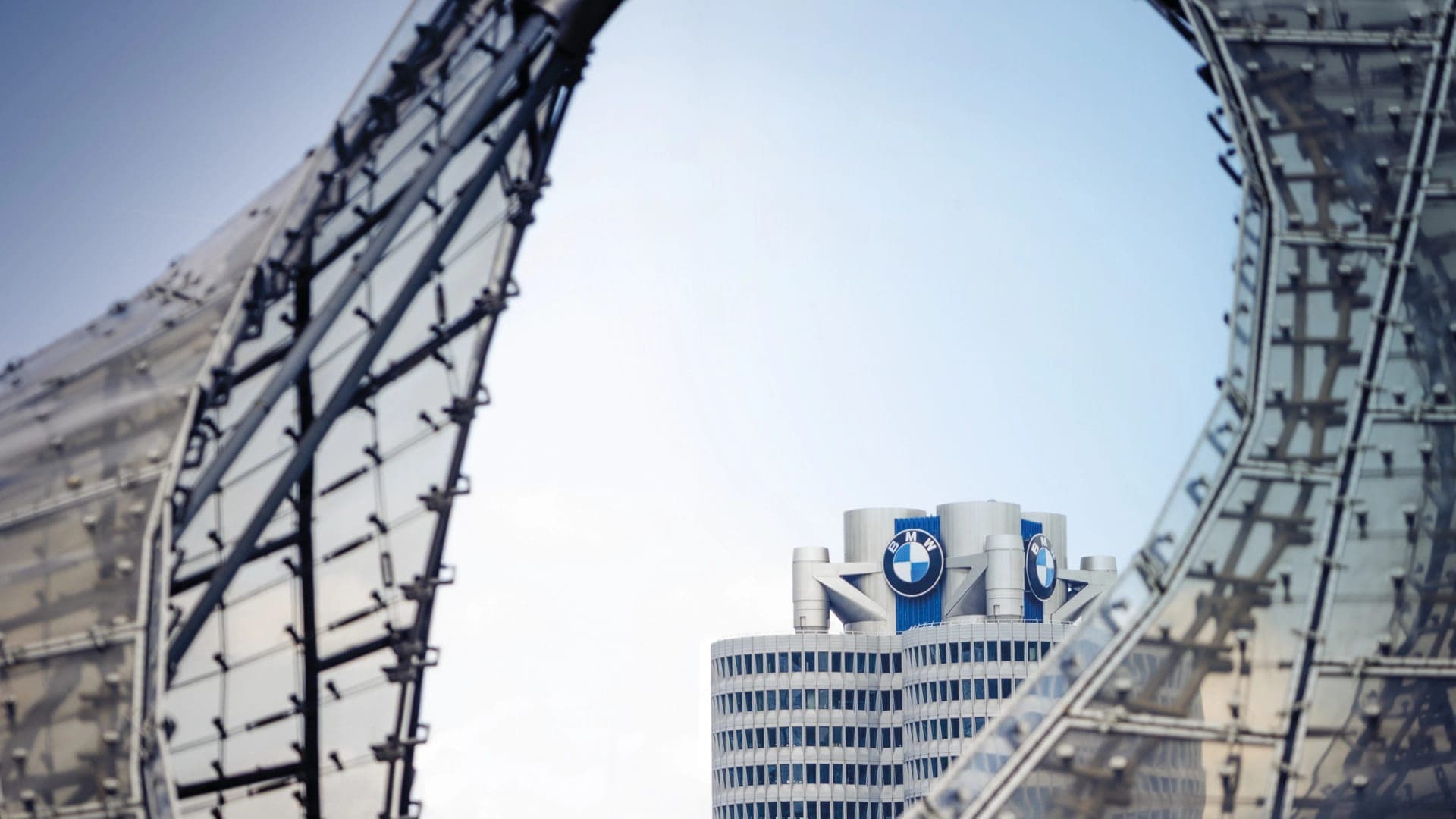
BMW is the latest of Germany's carmakers to announce deep job cuts. The company plans to reduce its workforce by around 8,000 people over the next 18 months, nearly 5 percent of its 154,000 employees. Almost every part of the business is affected, with one pointed exception: the people who actually build the cars are staying.
What is happening
The reduction runs over roughly 18 months and touches every department except direct vehicle production. More than half of the affected roles are in Germany. Importantly, BMW says it intends to reach the figure through natural attrition and voluntary departures rather than forced layoffs, so this is a managed wind-down of headcount rather than a wave of redundancy letters. That distinction matters to the people involved, even if the end number is the same.
Why production is protected
Sparing the factory floor is a deliberate signal. BMW is not short of cars to build, and its plants, including Debrecen in Hungary, which recently reached its 50,000th iX3 at record speed, are running hard. The cuts fall instead on administration, development and support functions, the overhead that a company can trim without slowing the line. It is a very different message from a plant closure: BMW is cutting cost, not capacity.
Why now
The pressures are the same ones squeezing the whole German industry. BMW has already lowered its profit expectations on the back of disappointing sales, with half-year results due imminently, and it faces intensifying Chinese competition both at home and abroad, plus US import tariffs that hit European manufacturers hard. Management has told staff that significant sacrifices are necessary to protect profitability and competitiveness. None of it is unique to BMW, which is rather the point.
A whole industry under pressure
This lands in the middle of a grim run for German carmaking. Porsche has announced further cuts, Volkswagen is planning reductions in the tens of thousands, and Mercedes and Audi have already trimmed their workforces. When the country's strongest and most profitable premium brand joins the list, it stops looking like company-specific trouble and starts looking like something structural, and it fuels a genuinely uncomfortable question about whether Europe will still have a major car industry in a few decades.
AutoNext Take
First the human part, because it is easy to lose in the percentages: 8,000 jobs is thousands of real careers, most of them engineers and office staff in and around Munich, and even a voluntary, gradual process is still a lot of people being nudged towards the door. That BMW, the healthiest of the German premium brands, feels the need to do this says more about the state of the industry than any single set of results could.
The one reassuring detail is that production is untouched, because it tells you BMW still believes in its cars and its factories, and is cutting overhead rather than retreating. That is a healthier kind of cut than a plant closure. But the bigger picture is hard to shake. When Porsche, Volkswagen, Mercedes, Audi and now BMW are all shedding staff in the same eighteen months, the German car industry is not having a bad quarter, it is being forced to reinvent itself, and doing it while a wave of Chinese rivals keeps arriving. How that ends is the real story, and it is far from written.