BMW iX5 gets a 141 kWh battery that leaves rivals standing
A 141 kWh battery is a big statement
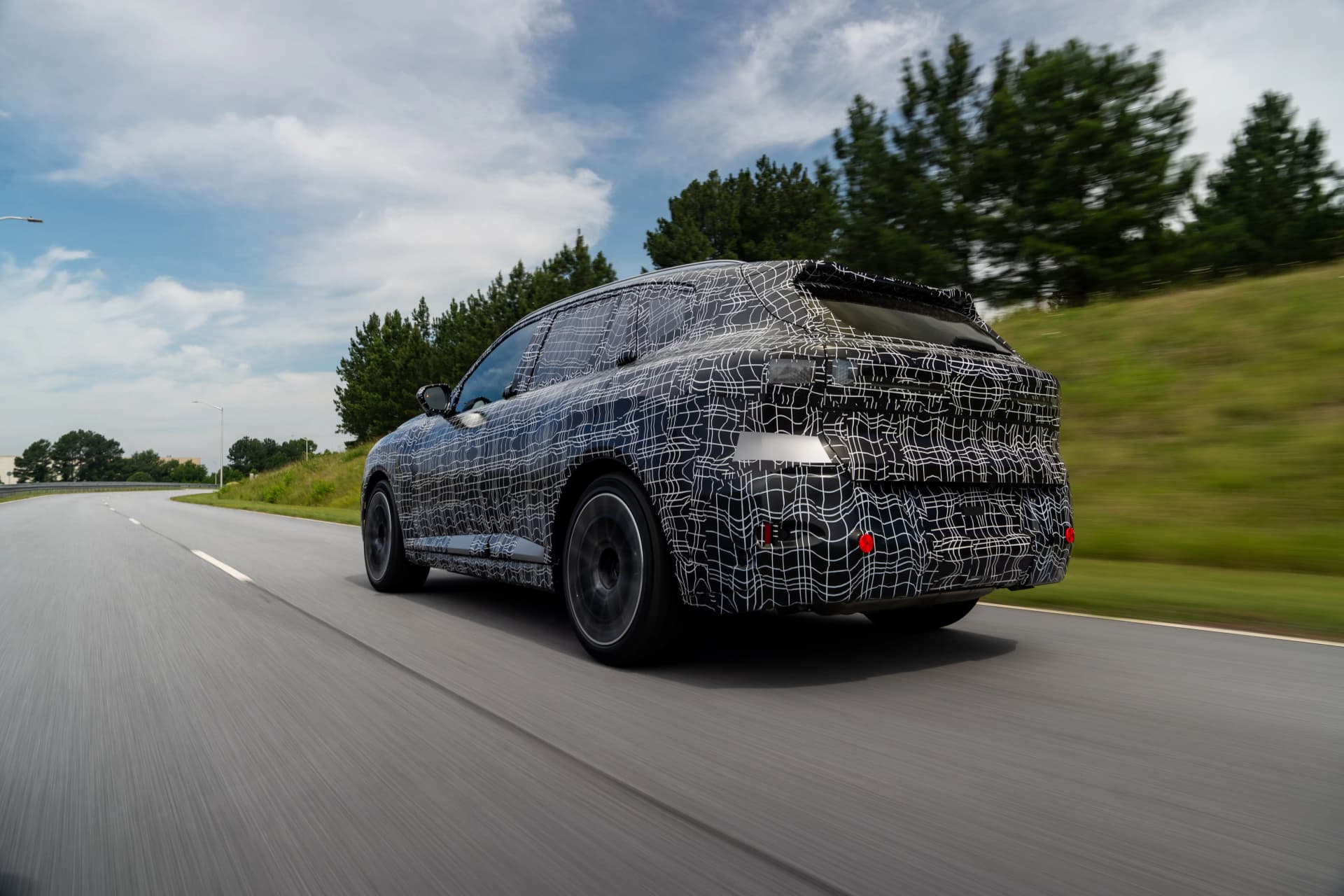
BMW has confirmed the iX5 60 xDrive, and the headline spec is a 141 kWh (net) battery. In a class where Audi and Mercedes-Benz offer around 105 kWh, that gap is not small. It is roughly 35 percent more capacity in a vehicle that will compete directly for the same buyers.
The iX5 60 xDrive is built on BMW's sixth-generation eDrive platform with an 800V architecture. Dual electric motors, one per axle, produce a combined 425 kW, which equals 578 hp. All-wheel drive is standard. BMW has not yet published WLTP range figures or a European price, as the model is still in final testing ahead of its 2026 launch.
Why the 800V architecture matters
The 800V foundation is not just a marketing angle. At 800 volts, the system can charge faster using less current, which keeps components smaller, lighter and cooler. BMW already applied this logic in the iX M60 and newer i5 variants. The iX5 takes it into a larger, heavier vehicle, where thermal management across long motorway runs becomes more critical.
The sixth-generation eDrive system also improves motor efficiency through revised winding architecture and magnets that recover energy more effectively under braking. BMW does not use meaningless version numbers; the generational step reflects real changes in the hardware.
A 35 percent capacity lead over direct rivals
The comparison figure is stark. BMW's current iX tops out at around 105 kWh. The Audi Q8 e-tron and Mercedes-Benz EQS SUV operate in a similar range. The iX5 at 141 kWh (net) does not nudge ahead, it steps clearly ahead.
The real-world implication depends on range figures BMW has not yet confirmed. A larger battery does not automatically translate into proportionally more range, since weight, aerodynamics and software calibration all interact. But more capacity means more runway before degradation becomes a concern, and more buffer for high-speed charging without drawing on the uppermost portion of the pack.
The new X5 generation covers every powertrain
The wider context matters. The new X5 generation will offer petrol, diesel, plug-in hybrid, full electric and hydrogen fuel cell variants. The hydrogen iX5 is confirmed for 2028. No other BMW model family currently spans this range of drivetrains simultaneously.
BMW is not placing a single bet on electrification the way some rivals have. It is maintaining combustion options for markets and buyers that are not ready to make the switch, while expanding the electric top of the range. The iX5 60 xDrive sits at that upper end, both in capability and likely in price.
What BMW has not confirmed yet
The iX5 60 xDrive is still in final testing. BMW has not published WLTP range figures, DC charging speeds, 0 to 100 km/h times or a European starting price. These are the numbers that will determine whether the 141 kWh battery advantage translates into a meaningful ownership argument.
The US version will carry a slightly larger 144 kWh gross pack. For European buyers, the relevant number remains the 141 kWh net capacity confirmed for this market.
AutoNext Take
BMW's approach with the iX5 is instructive. Rather than chasing interior minimalism or software theatre, the company has invested in something buyers can use every day: less range anxiety, fewer charging stops on a long journey, more battery life over five years. A 141 kWh pack in a large premium SUV is an honest proposition.
That does not mean the competition is standing still. Audi's Q6 e-tron has made charging efficiency its argument, and Mercedes is working on a new EQS generation. But right now, on this specific metric, BMW has built a clear lead. Whether the full package, from pricing to driving dynamics to software, closes the sale is a different question. We will need to drive it to answer that.