Bugatti opens a new Molsheim factory for the Tourbillon era
A new home for the next chapter
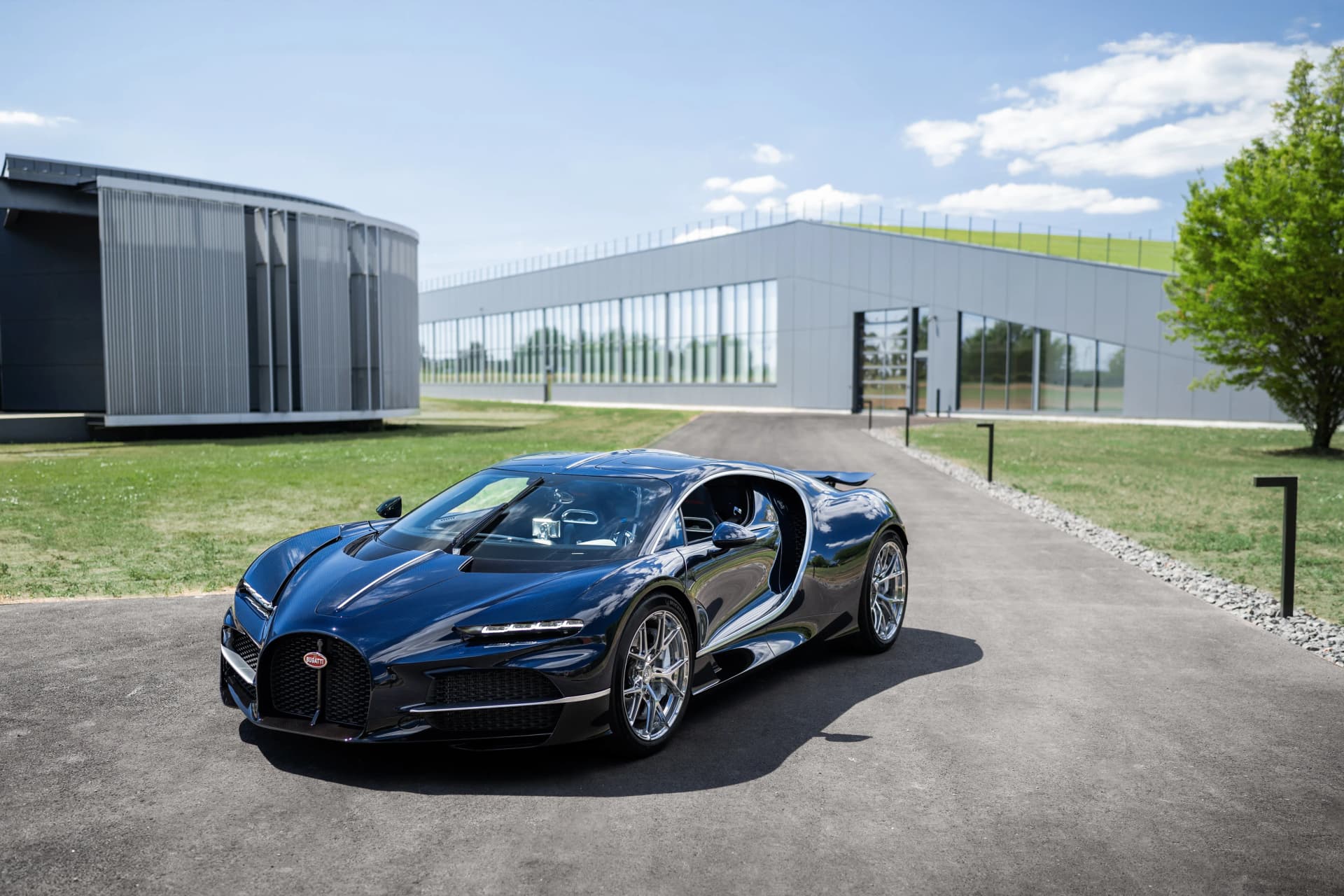
Bugatti has a new home for its next chapter. On 2 July 2026, the company inaugurated La Manufacture, a purpose-built facility in Molsheim, Alsace, dedicated to the Bugatti Tourbillon. It is where the brand's new V16 hybrid hypercar will be prepared, polished and readied, and it signals that the Mate Rimac era of Bugatti is now building in stone, not just in press releases.
For a company that measures output in hundreds of cars rather than hundreds of thousands, opening a dedicated new building is a serious statement. It says Bugatti is planning for the long term, and that the Tourbillon is only the beginning.
A hall built for the Tourbillon
La Manufacture is a single, low building measuring 135 metres long, 25 metres wide and 8.7 metres high, for a total of 3,245 square metres, and Bugatti says it was built in less than a year. Inside, it handles exterior and interior pre-assembly, quality checks and inspections, and the specialised polishing and painting that a Bugatti demands. Capacity runs to as many as 200 cars a year, a meaningful figure for a maker at this end of the market.
What the Tourbillon actually is
This release focused on the building rather than the car, so the headline specs come from the Tourbillon's original reveal in 2024. Bugatti confirmed then that the Tourbillon uses a new 8.3-litre naturally aspirated V16 combined with hybrid power for around 1,800 hp, making it capable of well over 400 km/h. Production is limited to 250 examples, priced from around €3.8 million, with deliveries beginning in 2026. La Manufacture is the place that makes those numbers real.
Molsheim, still the centre of gravity
Bugatti has built cars in Molsheim since the days of founder Ettore Bugatti, and the brand is doubling down rather than moving on. “Molsheim is the center of gravity for Bugatti,” chief executive Mate Rimac said, describing the new hall as an embodiment of the company's ambition to pursue the highest standards of industrial excellence. The existing Atelier stays in use for the final phases of assembly, while a new administrative building opened in 2024. More than 1,100 cars have now been delivered since the Veyron revived the marque in 2005.
A statement from the Rimac era
La Manufacture is also a marker of how far Bugatti has come under Bugatti Rimac. President Christophe Piochon called it a key moment in the rollout of the company's expansion strategy, and the design backs that up: a low, expansive form set into the Alsace landscape, dark walls against bright glass, natural light pushed deep into the workshops, and a stated focus on sustainable industrial development. This is craft at the rarefied, coachbuilt end of the car world, the same space occupied by boutique hypercar makers, but with a level of investment few of them can match.
AutoNext Take
It would be easy to see a new factory as dry industrial news, but this one matters. When Rimac took the wheel at Bugatti, the worry was that the brand would become a badge on someone else's engineering. Building a dedicated home for the Tourbillon in Molsheim, in under a year, is the clearest answer yet: Bugatti is staying Bugatti, and it is investing in the place that made it.
A capacity of 200 cars a year also tells you the ambition runs past the Tourbillon's 250-unit run. Bugatti is building the infrastructure for whatever comes after, and doing it with the heritage intact. On the evidence of La Manufacture, the Rimac era is not diluting the brand. It is reinforcing it.