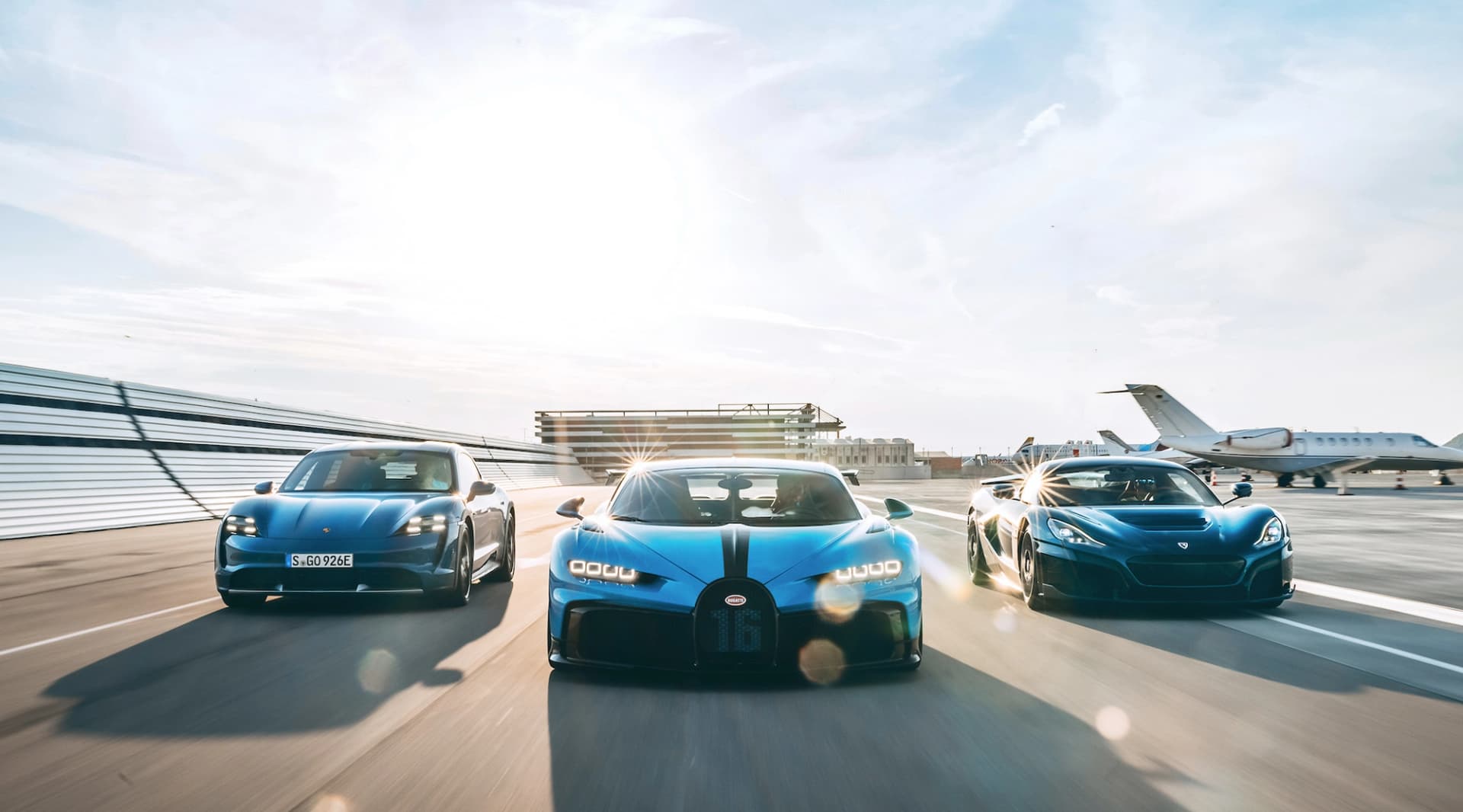
Bugatti's Mate Rimac built the fastest electric car, then chose a V16
One production line in Croatia builds the world's most powerful electric car and the world's biggest petrol engine.
Mate Rimac runs both, and he has now said which one he thinks owns the future. The 38-year-old made his name with the Nevera, still the quickest production electric car you can buy. He also runs Bugatti, where he spent the brand's next decade on an 8.3-litre V16. Asked by CNBC where supercars are heading, he did not hedge.
Rimac says sports cars stay combustion for a very long time
The split he describes is clean. "For normal cars, normal people, the vast majority will be electric," Rimac said, before putting sports cars and everything above them on the other side of the line, combustion-powered "for a very long time". He is not claiming petrol is technically better. He is claiming that at the top of the market, being better stopped being the argument. Porsche landed somewhere similar this summer when it ruled out a fully electric 911.
Performance is secondary when 50,000 dollars buys last decade's supercar pace
His second point is that the numbers stopped carrying meaning. You can now buy a car from China for around $50,000 that is quicker than any performance car of ten years ago, Rimac said, which makes outright pace "really secondary". What is left is craft. He calls a hypercar the most complex object a person can buy, and describes it as art that also has to reach 402 km/h, make downforce, survive a crash test and work in snow and extreme heat.
The Swiss watch share is 2 percent of volume, not 5
The analogy Rimac reaches for is watchmaking: "Only like 5% of watches are made in Switzerland, but that's where 90% of profits are made." The Federation of the Swiss Watch Industry puts the country at just over 2 percent of world watch production by volume, and above half the industry by value. The correction does not damage his case, it sharpens it. The gap between how few Swiss watches exist and how much of the money they collect is wider than he gave himself credit for.
250 Tourbillons sold, against 50-odd Neveras from a planned 150
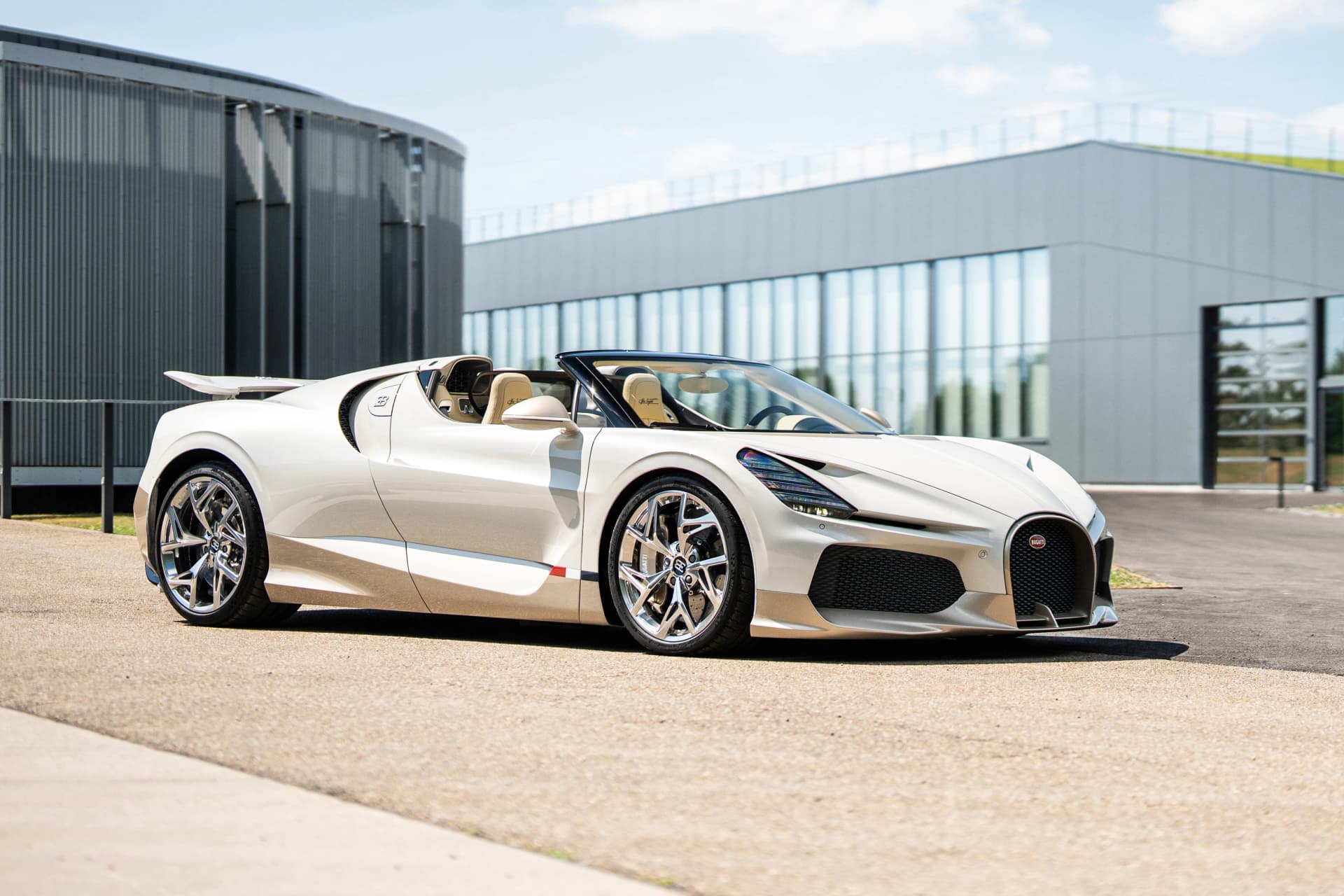
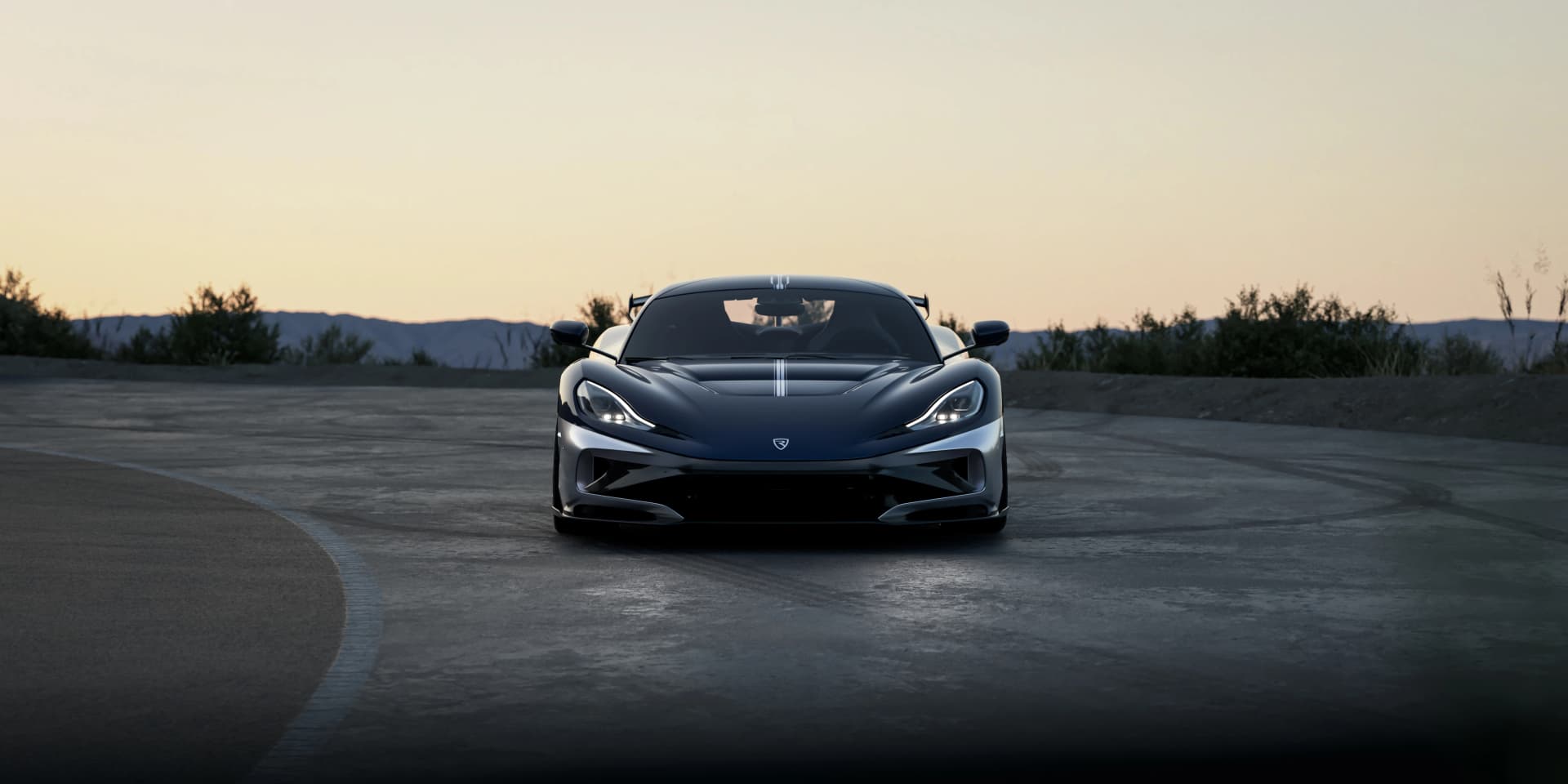
Bugatti has already run the experiment. The Tourbillon pairs a naturally aspirated 8.3-litre V16 worth 1,000 hp on its own with three electric motors for 1,800 hp in total, and all 250 cars are spoken for at €3.8 million before options. CNBC reports the average buyer adds a further $600,000 to $700,000 in personalisation. It arrived as the last W16 left Molsheim. The electric side of the same business tells the opposite story. Rimac planned 150 Neveras and had delivered just over 50 by May 2024, when he told an audience in London that buyers wanted something more analogue. The 2,107 hp Nevera R that followed is capped at 40 cars.
A manual 16-cylinder is definitely on the table
There is a blunter version of the same instinct. Asked at Monterey Car Week in August whether a manual Bugatti could exist, Rimac told Road & Track: "Yes, definitely. Imagine a 16-cylinder with a manual. A real manual." The emphasis was aimed at rivals whose answer to the same appetite is a gated lever operating an automatic gearbox. Rimac has the freedom to mean it, now that Porsche has sold its stake in Bugatti Rimac and left him in charge.
AutoNext Take
The analogy is stronger than Rimac made it, and that is not entirely comfortable for him. Swiss watchmaking really does hold a sliver of production and most of the profit. It is also a trade that shrank two years running, with exports down to 25.6 billion francs in 2025. Deciding to be the mechanical luxury option does not lift you out of a cycle, it swaps you into a different one, and the people who stop buying hypercars are the same people who stop buying watches.
The claim is testable, and he has set the terms himself. Two hundred and fifty Tourbillons sold against roughly 50 Neveras delivered from a run of 150 is not a preference, it is a rout, and he has said Bugatti output will never climb past the low hundreds. So watch what follows the Tourbillon out of Molsheim. If the next Bugatti has pistons and sells out before anyone has driven one, he read his customers correctly. If it does not, the Swiss watch phase was a story told about an engine he had already committed to.