Nearly 30 million cars were recalled, and the screen is increasingly to blame
Carmakers put everything on the screen. The recall data is the invoice
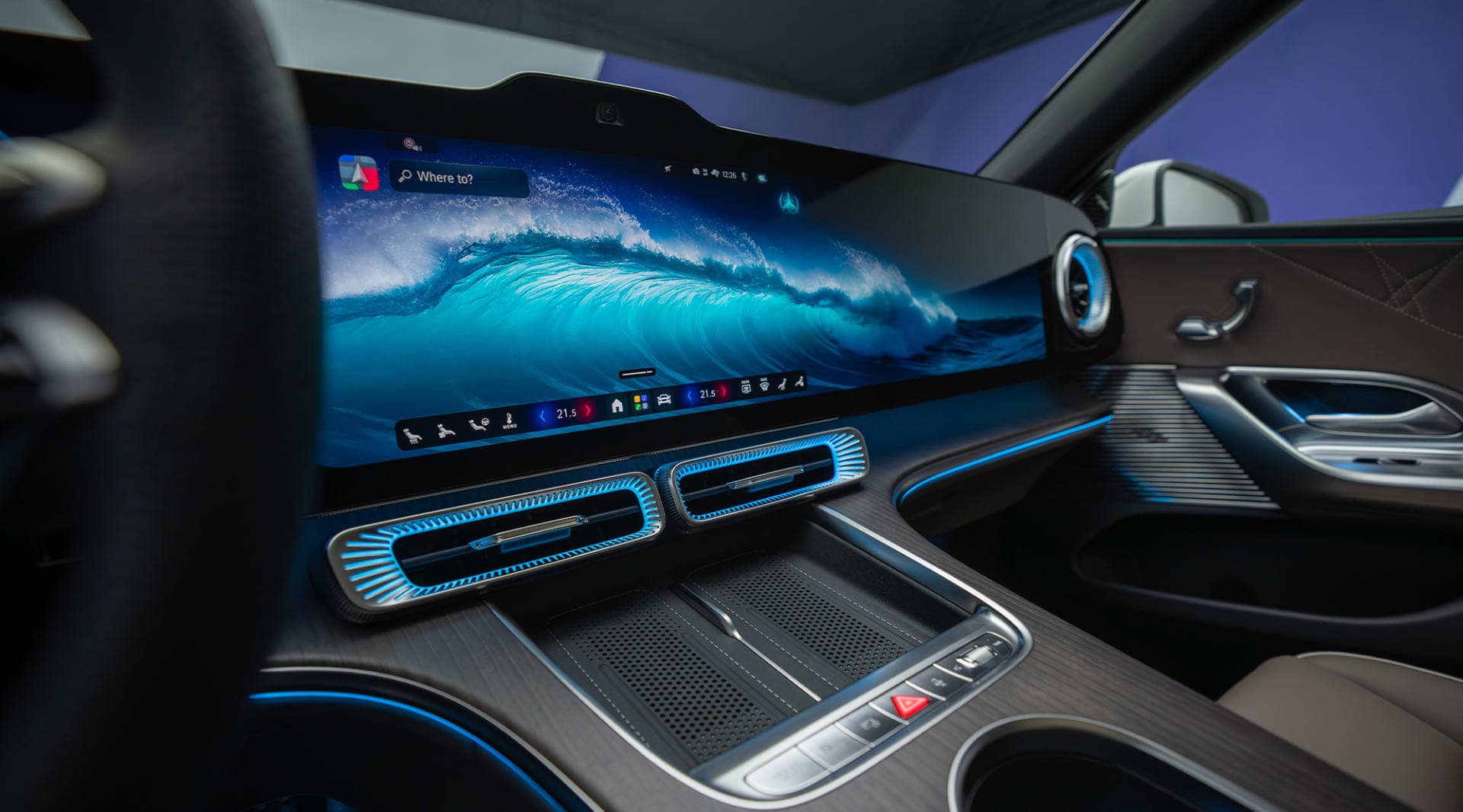
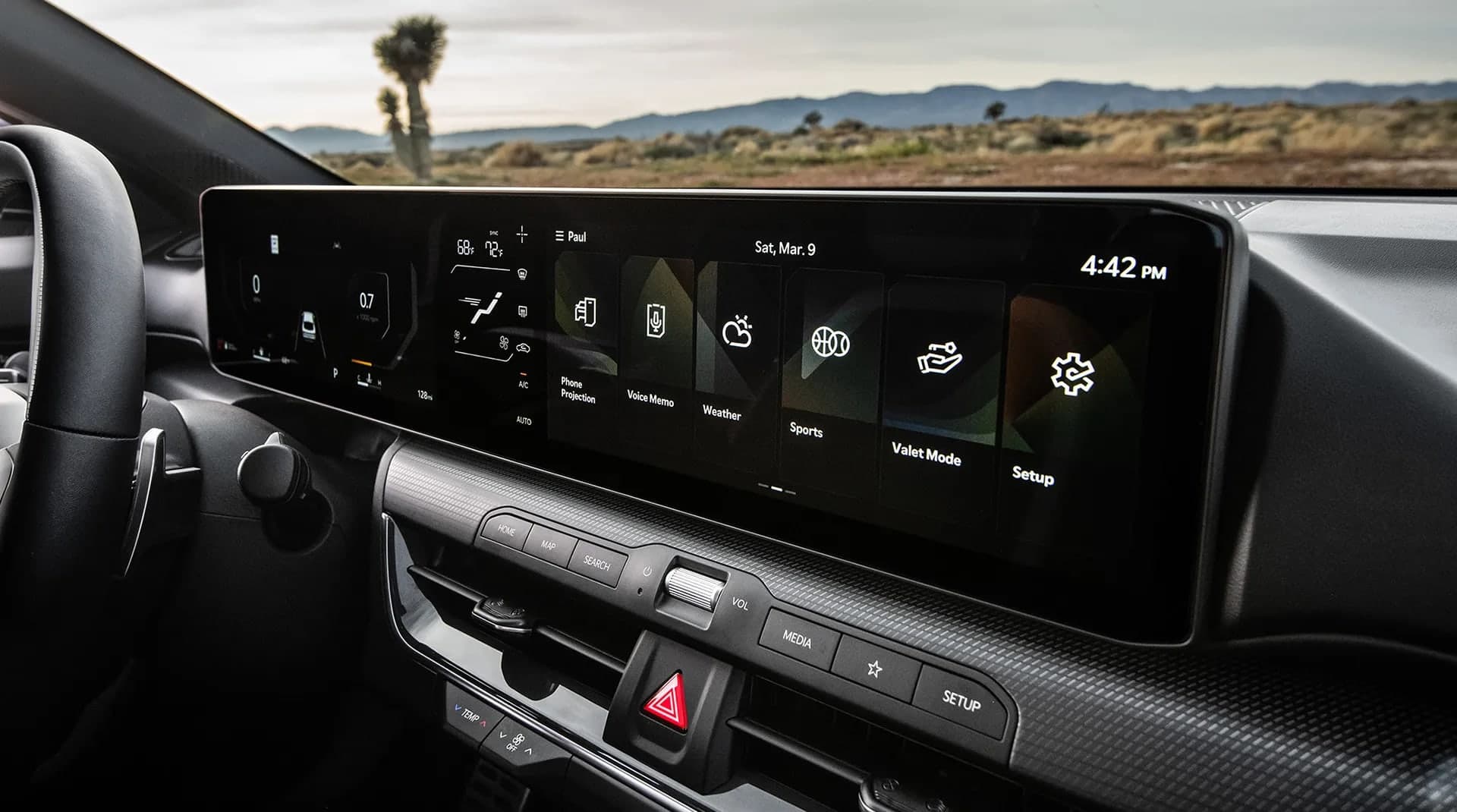
For a decade the industry sold us the touchscreen as progress: cleaner dashboards, fewer buttons, everything a swipe away. Now the bill is arriving in the form of recalls. Close to 30 million vehicles have been recalled across recent quarters, and one of the fastest-growing reasons is not an engine, a brake or an airbag, but software, and specifically the screens that software runs on. The feature the industry pushed hardest has quietly become one of the things it recalls most.
The numbers, and where they are heading
The scale is striking. Industry tallies put recalls at roughly 27.7 to 30 million vehicles across 2024 and into early 2026, with the first quarter of 2026 alone accounting for around 11.6 million. Analysts point to software-defined vehicle architecture as a primary culprit, arguing the tech world's move-fast-and-break-things instinct does not belong in a two-tonne safety device. There is an electric wrinkle too: EVs, which lean hardest on software, have been recalled at around 2.84 times the rate of combustion cars. The figures here are largely US NHTSA data, but the screenification behind them is universal, and Europe is on the same path.
The backup camera is the smoking gun
No single example captures it better than the rearview camera. In the United States it has been a legally required safety feature since 2018, and on modern cars it no longer runs as a simple wired video feed, it runs as an app on the infotainment operating system. So it can freeze, blank out, or be hidden behind a menu at the exact moment you reverse. Ford has recalled around 1.1 million vehicles over cameras that fail in reverse, its fifth major recall for the same problem since 2020, while Toyota, Lexus and Subaru together recalled over a million cars for blank or frozen camera images. A feature that once either worked or did not now depends on code that can fail a million cars at once.
Why software makes recalls bigger, not smaller
This is the counterintuitive heart of it. A mechanical defect is usually limited, a bad batch of parts on some cars from some months. A software defect is identical on every car that shares the code, so it scales instantly to the whole fleet. Add validation cycles that cannot keep up with how fast features are now integrated, and you get exactly what the data shows: fewer small recalls, more enormous ones. The industry borrowed Silicon Valley's speed without Silicon Valley's tolerance for shipping something broken, and a frozen phone is an annoyance while a frozen reversing camera is a hazard.
The screen was sold as a feature. It became a liability
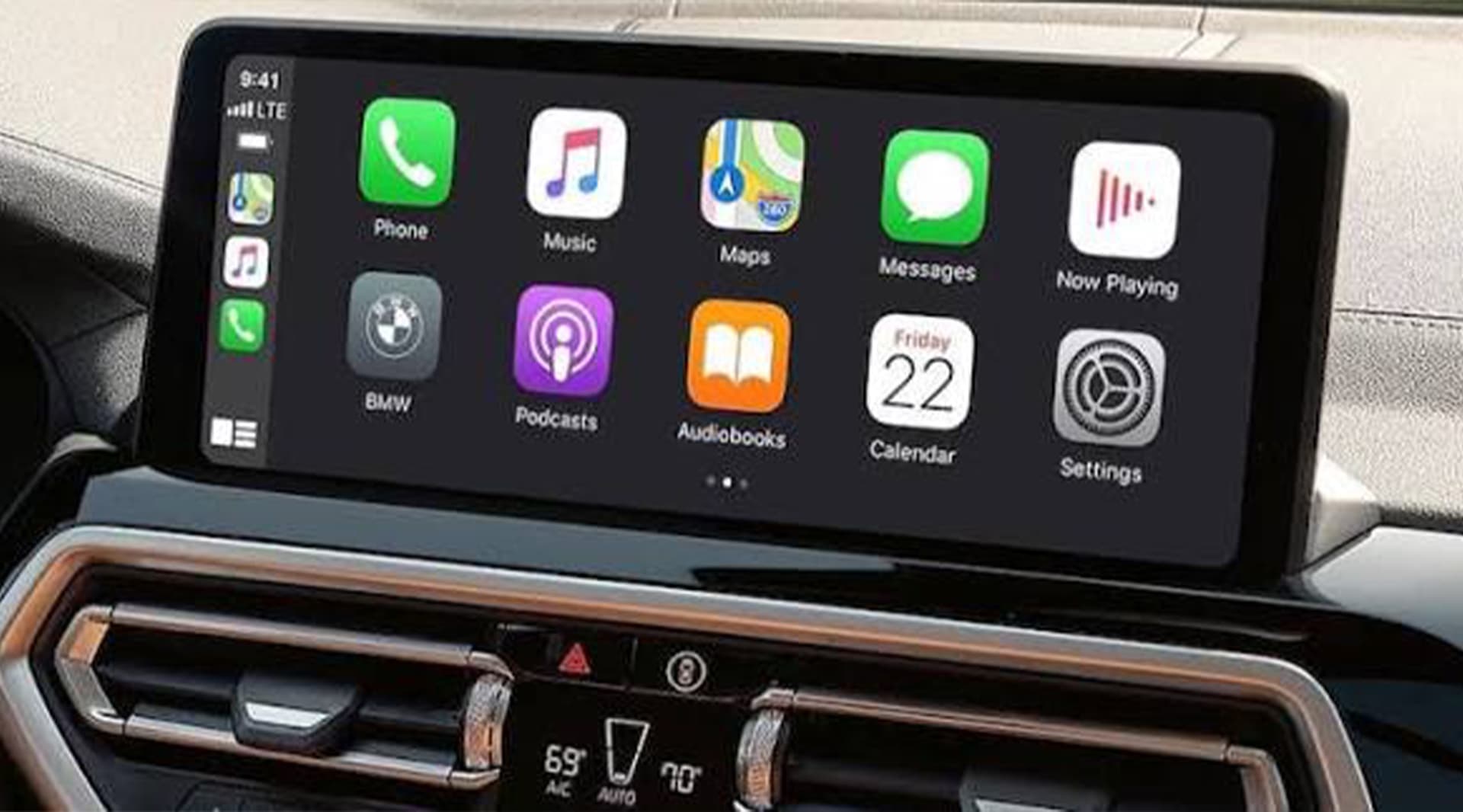
Over-the-air updates are held up as the answer, and they do let carmakers patch some faults without a dealer visit. But they also normalise a ship-now-fix-later mentality on safety-critical hardware, and they leave older, unconnected cars stranded. Step back and this is the same reckoning that has been building for a while: Mercedes' own CEO admitting the industry is at peak low button, not peak screen, the backlash when BMW turned the dashboard into an ad slot, and the everyday flakiness of systems from CarPlay's wandering GPS to Apple taking over the whole dash with CarPlay Ultra. Every screen added to sell an interior added surface area for something to fail.
AutoNext Take
It is tempting to file this under boring industry statistics, but it is really the receipt for a decade of design decisions. Carmakers stripped out buttons, moved core functions behind glass and called it minimalism, and the recall figures are what that looks like when the glass misbehaves. The rearview camera is the perfect symbol: a genuinely good, life-saving feature, made law, then routed through a fragile infotainment stack until it became one of the biggest recall categories going.
The fix is not another screen or a faster patch. It is the industry relearning something it used to know, that a car is a safety device first and a gadget second, and that the two do not run on the same rulebook. The good news is that the mood is already turning, with even the screen evangelists starting to talk about buttons again. The recall data just gave that conversation the one thing it was missing: a body count. Put a few switches back.