Chery's fifth European brand just opened its EV order books
Chery is not launching a brand in Europe. It is launching a portfolio.
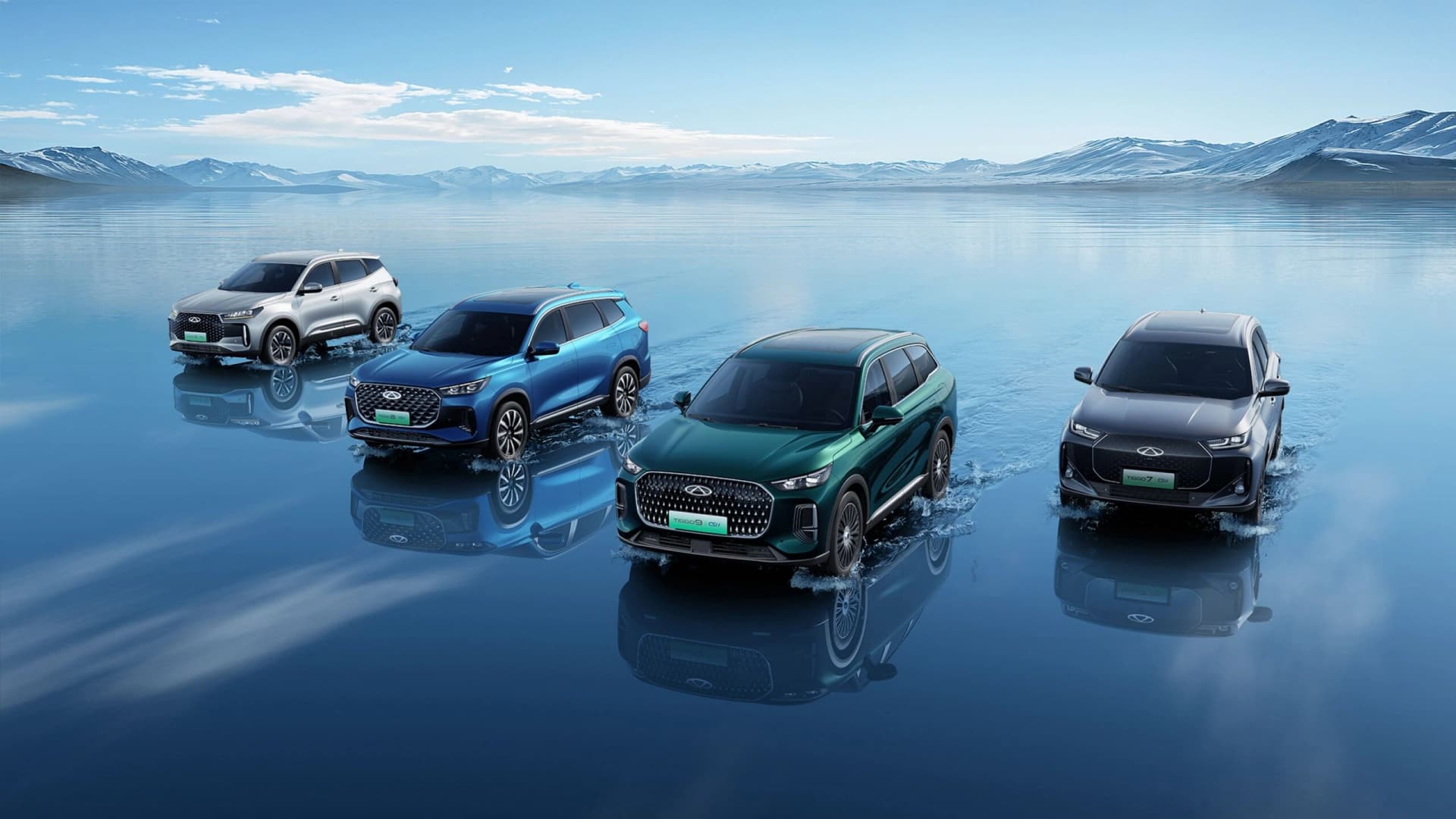
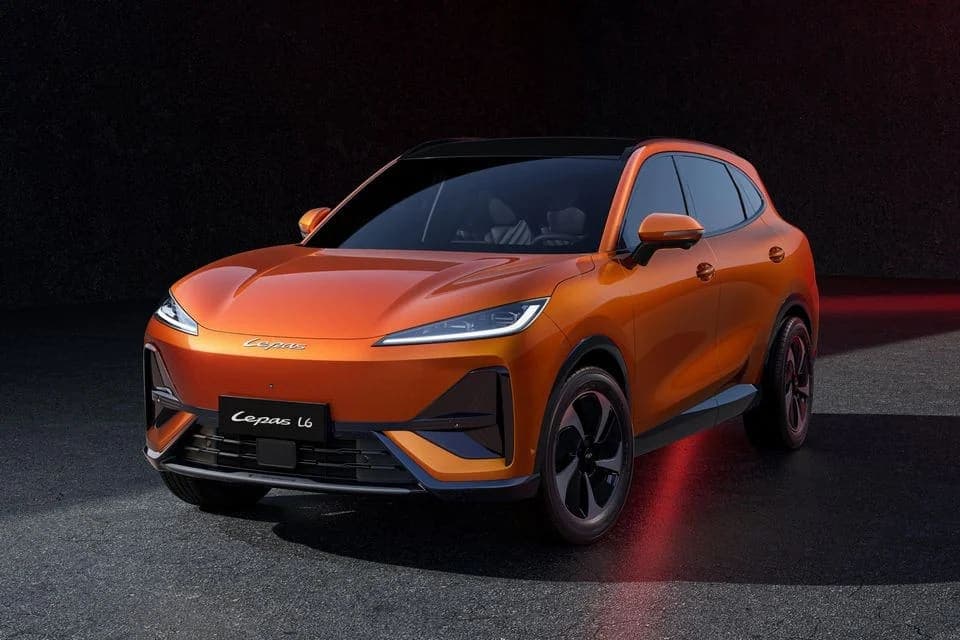
A carmaker most European drivers could not pick out of a line-up has just confirmed the full specification of its first electric SUV, with order books opening early in the fourth quarter. The brand is Lepas. The parent company is Chery, which already sells cars on this continent under four other names, including its own Tiggo range through a new Belgian dealer network.
That is the story, rather more than the car is. Lepas did not exist before 2025, it sells nothing at all in China, and it was created for the single purpose of giving Chery another shelf in European showrooms. The L6 EV is the first electric thing placed on that shelf.
449 kilometres, and nothing exotic underneath
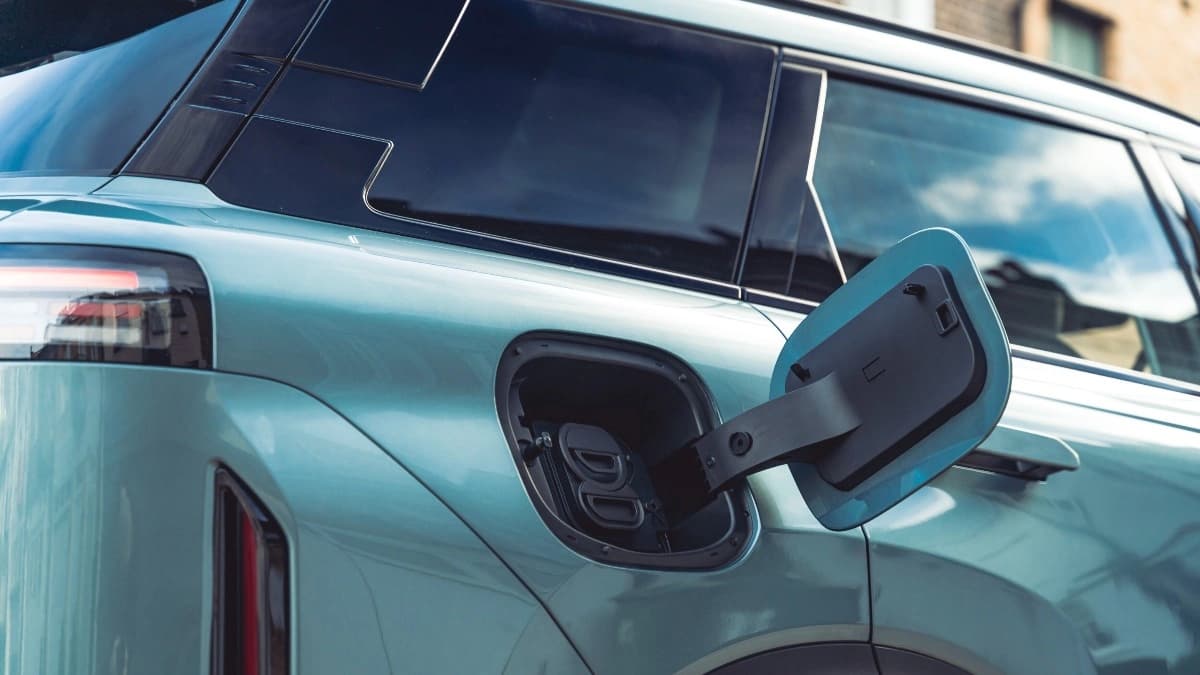
The L6 EV uses a 65 kWh lithium iron phosphate battery and a single front motor good for 217 hp and 275 Nm. That gets it from 0 to 100 km/h in 7.9 seconds, on to a top speed of around 180 km/h, and to a WLTP range of 449 km. DC charging peaks at 120 kW, which takes the battery from 30 to 80 percent in roughly twenty minutes, and there is 3.3 kW of vehicle-to-load for anyone who wants to run a coffee machine off the boot. That boot holds 410 litres, or 1,334 with the rear seats folded, plus another 99 litres under the floor.
None of it is remarkable in 2026, and none of it is trying to be. Both Essence and Elevate trims get 19-inch wheels, a panoramic roof, a portrait touchscreen running a Qualcomm Snapdragon 8155 chip, an 8.9-inch driver display and a 540-degree camera. Underneath sits the Chery Tiggo 7, in the same way the larger L8 and the coming L4 lean on other Tiggo models. This is a car engineered to be unobjectionable at a price, which is a harder trick than it sounds and a duller one to write about.
The warranty is the actual product
Every L6 EV carries seven years or 160,000 km of vehicle cover and eight years or 160,000 km on the high-voltage battery. Chery's brands have leaned on this across Europe for good reason. The biggest objection to a Chinese badge on a European driveway is not range, and it is not software. It is what happens in year six, when something expensive fails and nobody is certain the importer is still trading. A seven-year warranty answers the question buyers are too polite to ask out loud. It is also cheap to promise and expensive to honour, which is precisely why the established brands rarely match it.
The L8 arrived first and set the price
Lepas did not open in Europe with the electric car. The L8, a plug-in hybrid mid-size SUV, took pre-orders in July and reaches its first customers in September at £34,900 for the Essence and £37,900 for the Elevate, roughly €40,300 and €43,700. It combines a 1.5-litre turbo petrol engine with an 18.4 kWh battery for around 90 km of electric running and a combined figure well past 1,100 km. A fully electric L8 follows in 2027, with a smaller L4 city SUV behind it.
The UK is the beachhead, and Lepas is building towards a 60-strong retailer network there, starting from a first site in Wolverhampton. Sixty franchise agreements is not a toe in the water. It is a distribution plan.
Italy and Spain are already on the manifest
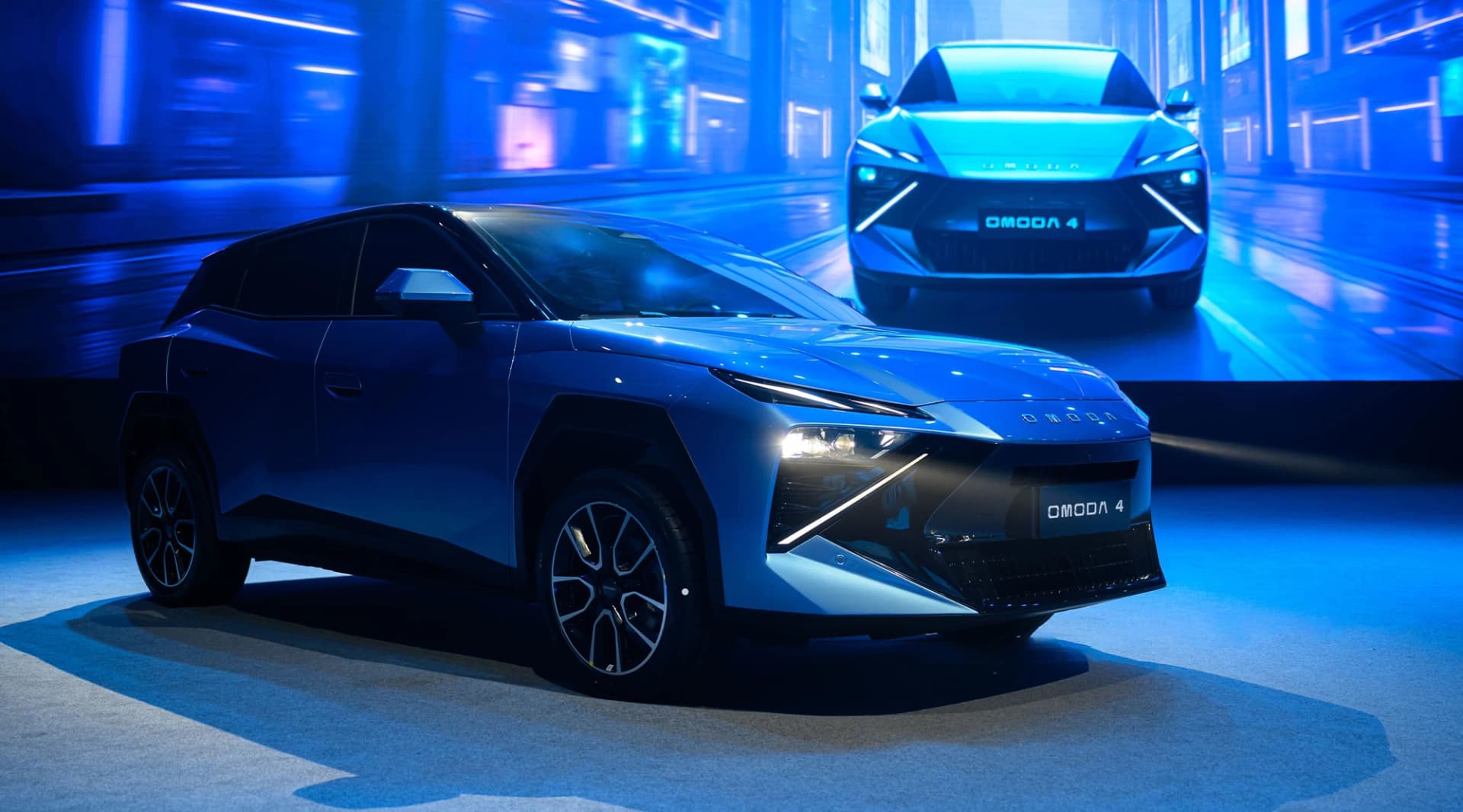
This is not a British experiment. Around 1,500 L8 plug-in hybrids were loaded onto ships in July bound for Italy, Spain, Greece, Croatia, Slovenia and Romania, and the L6 made its European public debut at Milan Design Week in April. Southern Europe is a deliberate first move: it is where the price-sensitive compact SUV buyer lives, where Dacia and MG have already proved the appetite, and where loyalty to a badge is thinnest. It is also where sister brand Omoda has been pushing its own crossovers, which means Chery is now, in several markets, competing with itself on purpose.
The Volkswagen question
What remains unresolved is where these cars eventually get built. Chery already runs a Barcelona plant with Ebro on the site of the old Nissan factory, targeting 200,000 units a year and at least 50 percent non-China content to clear EU thresholds. Beyond Spain, the company has confirmed it is running a feasibility study on German production, and reports have repeatedly pointed towards Volkswagen sites already earmarked for wind-down. Charlie Zhang, Chery's vice president of international operations, has called the German situation very, very complicated, citing supply chains, labour and regulation.
Complicated is not the same as no. With EU tariffs on Chinese-built electrified cars still in force, a German line turning out Lepas SUVs would solve a tariff problem and a credibility problem in a single move. A car built in Saxony by people who used to build Volkswagens is a very different sales conversation from a car that arrived in a container.
AutoNext Take
Five badges from one company on one continent should be an obvious mistake, and for a while the industry filed it as one. But Chery is not trying to build five brands that European drivers can tell apart. It is trying to occupy five dealer contracts, five patches of showroom floor and five slots on a leasing list, and the dealer who cannot get a Volkswagen franchise will happily take a Lepas one. That is not a marketing strategy. It is a land grab on distribution, and it is moving considerably faster than public recognition of the name.
The catch is that the L6 EV reads as competent and forgettable, which describes an uncomfortable amount of what has arrived from China lately. Seven years of warranty will earn it a test drive. Nothing in the specification earns it a second one.