Only three Chinese EV makers are still profitable, and that is bad news for Europe
From Europe, this looks like good news. It is precisely the opposite
The latest numbers from China's electric-car industry read, at first glance, like a relief for everyone else. Sales are falling, and out of the dozens of brands fighting it out, only three are actually making money. If you run a European carmaker, it is tempting to see the great Chinese EV wave finally cresting. Do not. A shrinking, overbuilt, largely unprofitable Chinese industry is not a receding threat. It is a more dangerous one, and the reason is hidden in a single export figure.
The numbers behind the shakeout
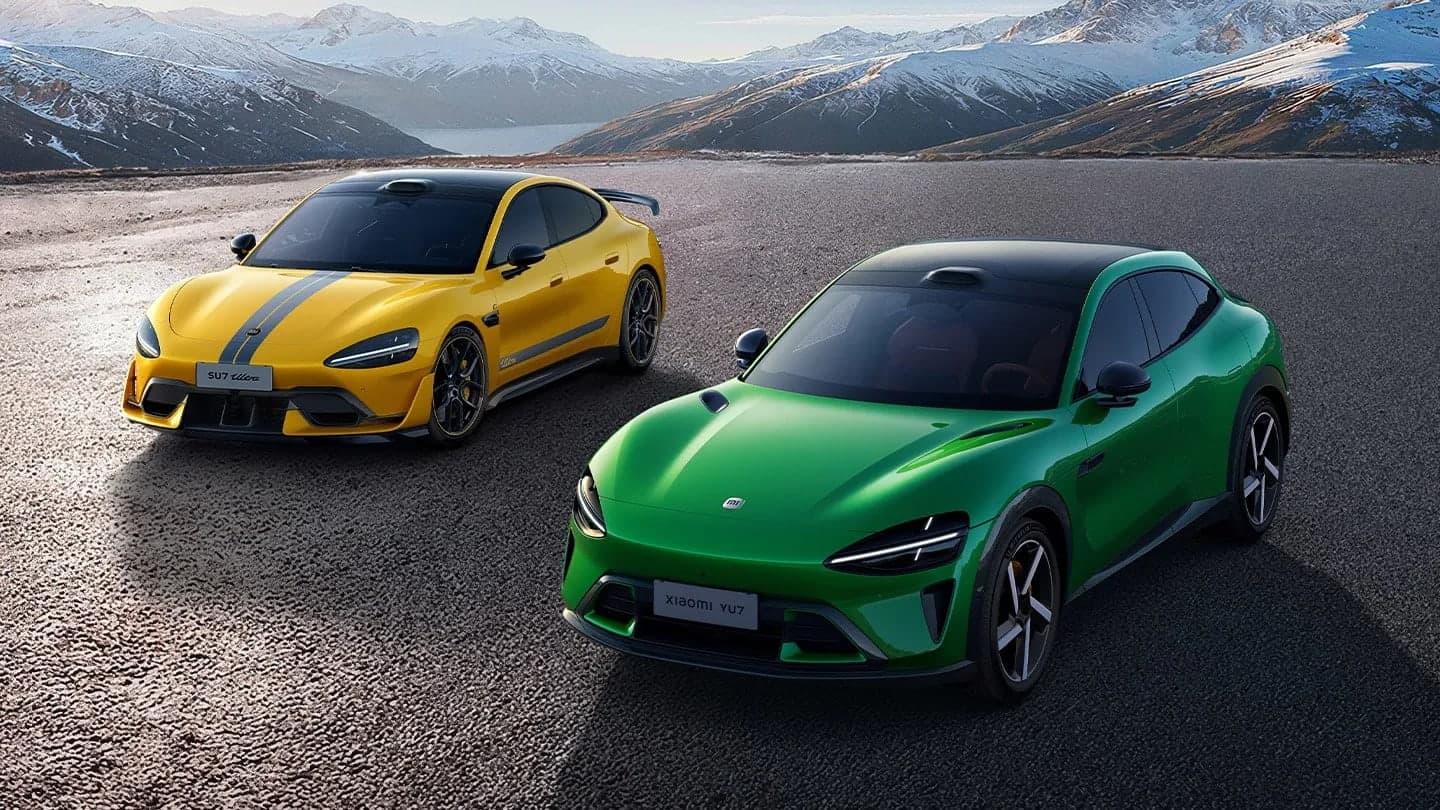
The domestic slowdown is real. Chinese sales of electric and plug-in hybrid cars fell 7% in June to 1.04 million, and dropped 13% across the first half of 2026 to 4.73 million. Behind that is a brutal price war and buyers holding off in the hope of yet another discount, made worse as Beijing withdraws support: EV tax breaks have been phased out, and from January 2027 the tax credits for electric, plug-in and range-extender cars will shrink further. In that environment, only three of China's many electric-car makers are currently profitable: the giant BYD, the phone-turned-carmaker Xiaomi, and the cost-focused Leapmotor. Everyone else is bleeding.
The number that actually matters: exports up 41%
Here is the figure the reassuring headlines skip. China built far more electric-car capacity and far more brands than its own market can ever absorb profitably, and that surplus does not simply vanish when demand cools. It gets shipped abroad. Analysts expect Chinese vehicle exports to reach roughly 10 million in 2026, up an extraordinary 41% on the year. The domestic shakeout is not reducing the pressure on the rest of the world; it is redirecting it outward. Every brand fighting to survive the cull at home has the same escape hatch, and it points straight at markets like Europe, where Leapmotor is already outselling Porsche, and at Japan, where BYD has built a bespoke local car.
Why a cornered industry is more dangerous, not less
This is the counterintuitive heart of it: desperation is cheaper than confidence. A comfortable, profitable exporter can afford to hold its prices and protect its margins. An unprofitable one, fighting for its life, will do the opposite, dumping cars abroad at whatever price wins market share, because losing money overseas while building scale still beats dying quietly at home. That is exactly the dynamic already bearing down on Europe, and it is why Ford's own CEO has warned his staff that Chinese brands are coming, and why the pressure will only intensify. A China that had comfortably won its home market would be a patient competitor. A China culling itself is an impatient one, and impatient competitors cut prices.
Who survives, and what it took
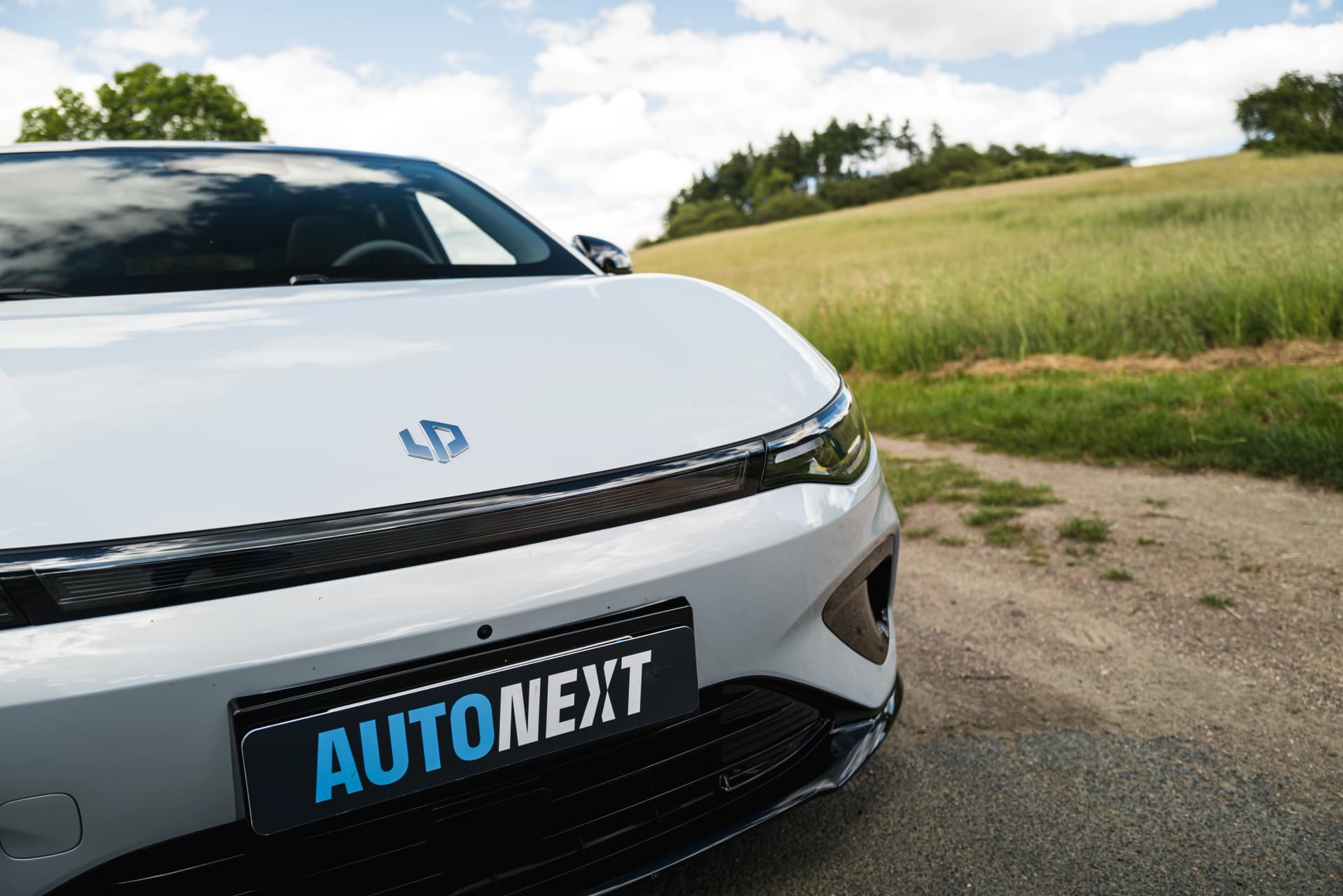
The list of survivors is revealing in its own right. BYD wins on sheer scale and vertical integration; Xiaomi wins because it arrived late, focused, and backed by the deep pockets of a consumer-electronics giant; Leapmotor wins on low cost and a distribution shortcut through its Stellantis tie-up. Notice what is missing: the fashionable technology darlings. XPeng, whose growth has just stalled, and Nio are not on the profitable list, which tells you the shakeout does not necessarily reward the best engineers or the slickest software. It rewards scale, outside money, or a way to the customer. That is a sobering lesson for every ambitious brand, Chinese or not, that assumed a good electric car was enough.
AutoNext Take
So read the Chinese EV story carefully, because the obvious interpretation is the wrong one. This is not a bubble deflating and a threat fading. It is an industry consolidating, and consolidation is not the same as retreat. The three survivors will emerge leaner and stronger, and the dozens that do not make it will not go quietly; they will try to export their way out of trouble first, through exactly the markets European carmakers are counting on.
For a European industry that is already struggling, in the middle of its own painful, expensive electric transition, China's EV market is slowing is not the comfort it appears to be. It is the sound of a vast, overbuilt supply base being pointed outward, at us. The right response is not relief. It is to understand that the most dangerous rival is not a confident one making record profits, but a desperate one with too many factories and nothing left to lose at home. Watch the export figures, not the domestic ones.