Ford's CEO is warning his own staff the China tariff will not hold forever
The warning is not the news. Who he said it to is
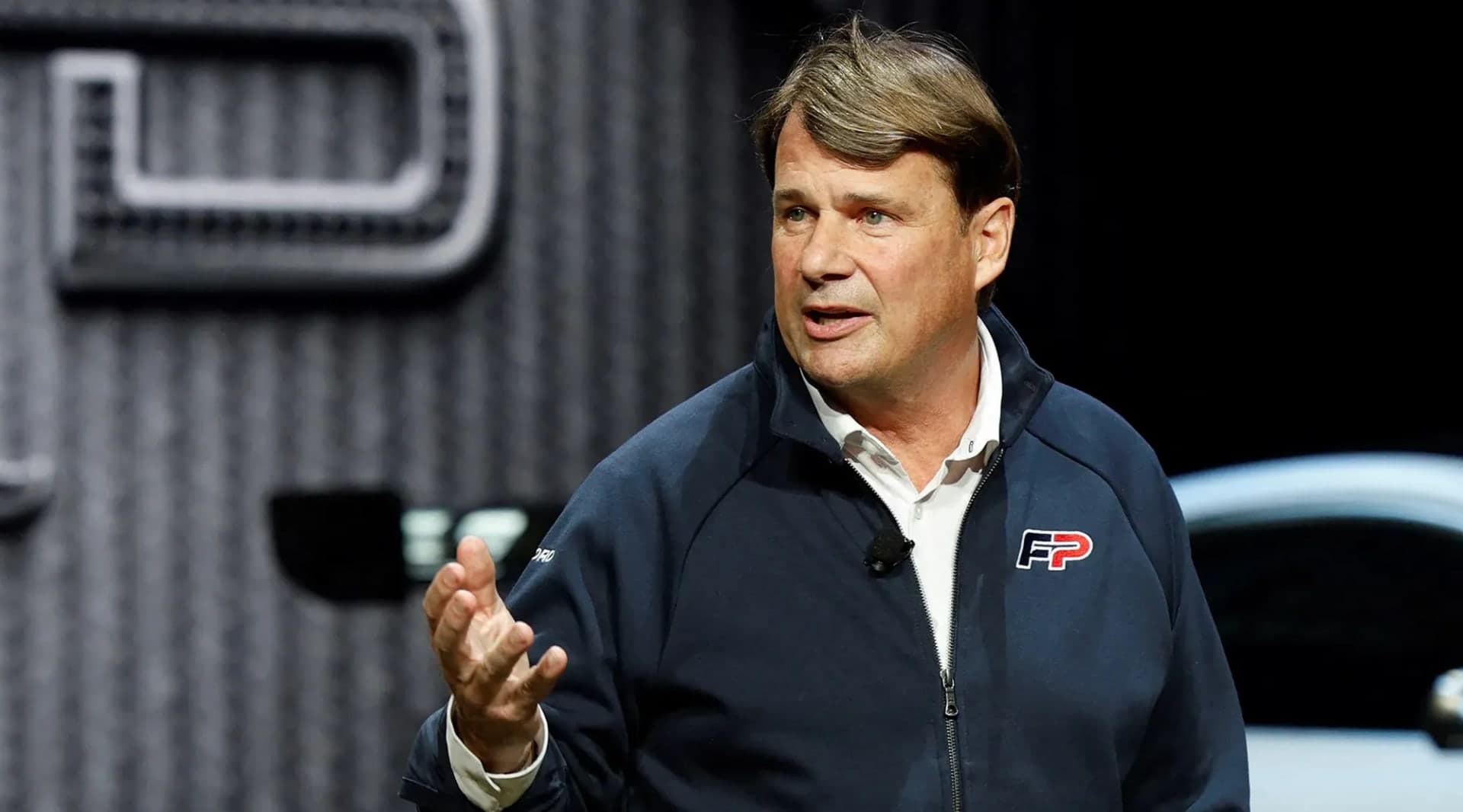
Ford CEO Jim Farley used a closed employee town hall to tell his own staff that Chinese carmakers will reach the United States within five to ten years, most likely at the later end. Farley has been sounding this alarm publicly for two years, so the forecast itself is not new. What matters is the audience. He was not lobbying Washington or reassuring investors. He was telling the people who build Fords that the tariff wall keeping Chinese cars out of America is a clock, not a fortress.
What Farley actually told the room
According to three attendees who spoke to Reuters and Automotive News, Farley and other senior leaders framed a Chinese arrival as a matter of when, not if, landing inside a five to ten year window and more likely toward the end of it. This was an internal message, not a press release, which is precisely what gives it weight. Executives spin outward and level with their own people inward, and inward Farley is telling Ford to assume the competition is coming and to stop treating today's protection as permanent.
This carries weight because of who is saying it
Farley is not warning about cars he has not driven. He has said he daily-drove a Xiaomi SU7 shipped over from Shanghai and did not want to give it back, called Chinese automakers a genuine value threat, and described China as completely dominating the West in electric vehicles. When the boss of a Detroit giant openly rates the rivals this highly, in private, to his own workforce, it reads less like competitive trash talk and more like a man trying to shake his company awake before the shield comes down.
America is the last big market they are not already inside
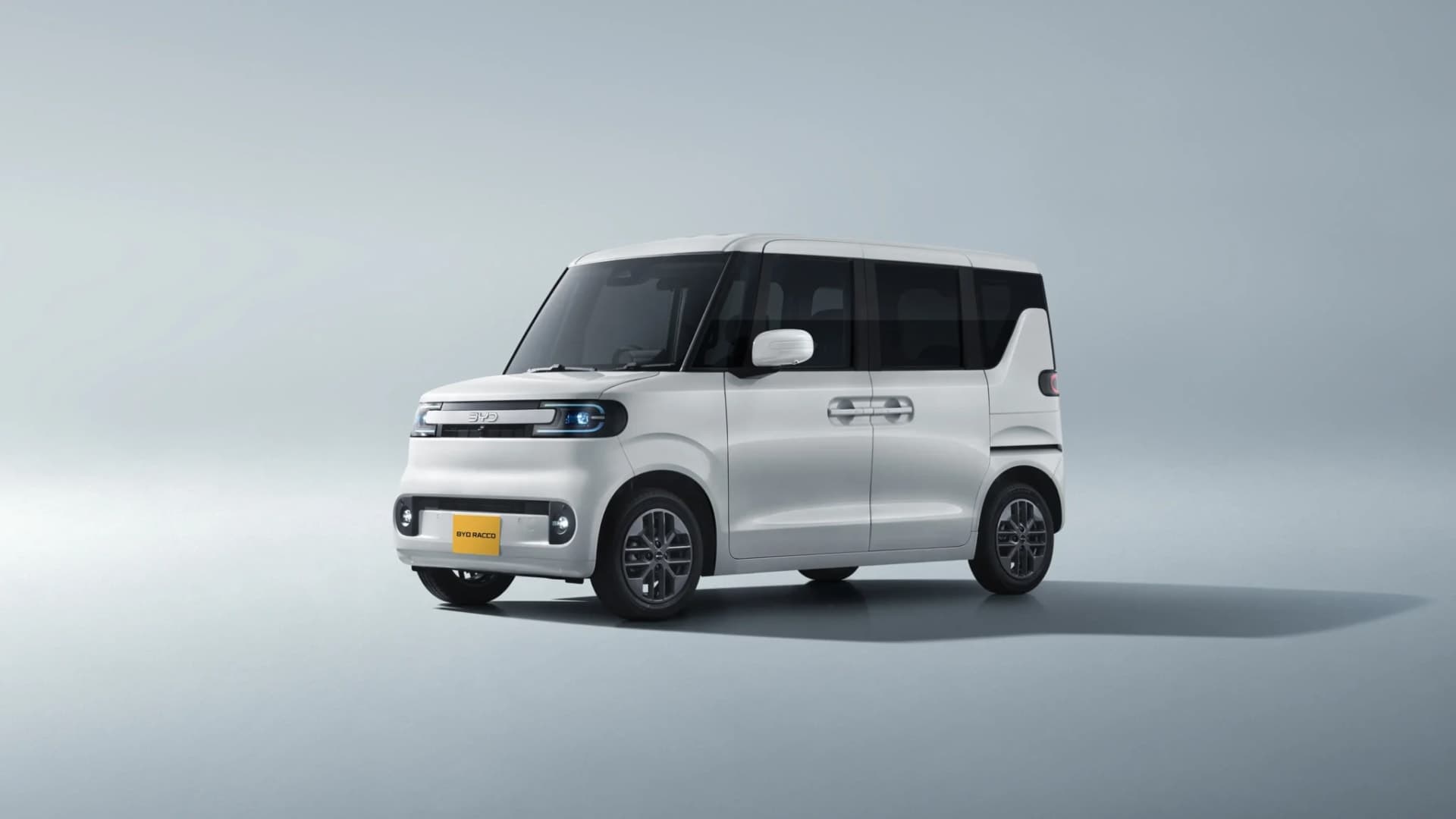
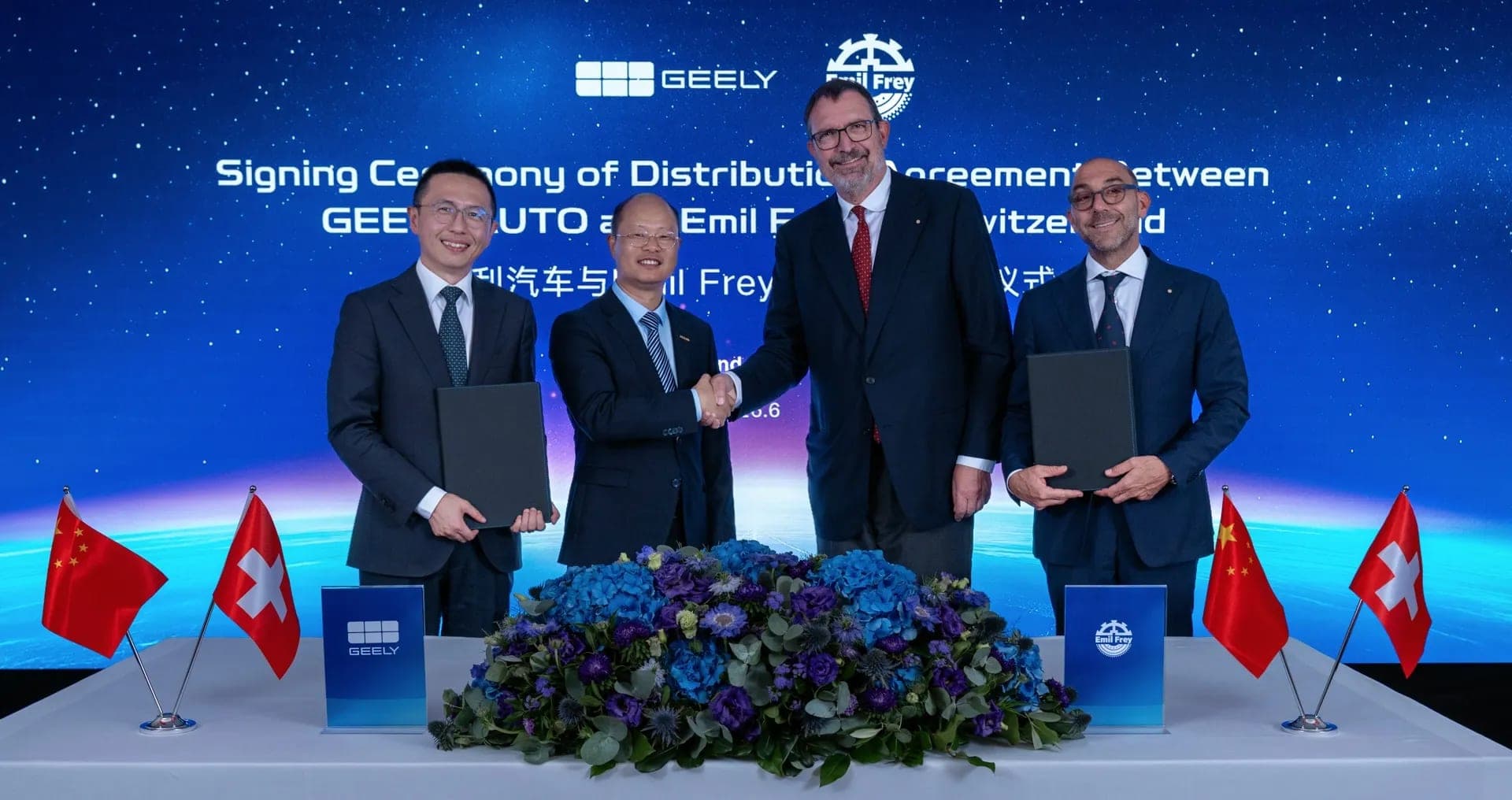
Here is the context that makes the warning real. China is no longer coming, it has largely arrived everywhere else. It is inside Europe, whether that is Geely renting a century-old Swiss importer or Ford hiring the executive who helped BYD take Europe apart, and it is now inside Japan, where BYD just built a kei car to the country's own rules. The United States is the conspicuous exception, and it is an exception for one reason only: tariffs above 100% that keep Chinese cars priced out, not out-engineered. Farley's point is that a barrier is not the same as an advantage, and barriers get negotiated away.
He is spending the runway, not just guarding the wall
The tell that Farley means it is what Ford is doing, not just saying. The company is building a roughly 30,000 dollar electric pickup, reportedly called Ranchero, on a new low-cost Universal EV platform, with cheaper EVs to follow. It has held talks with Xiaomi about a possible joint venture, and it has already partnered with Geely to build cars in Spain. That is a company treating the tariff as bought time and spending it on cost and partnerships, rather than simply lobbying for the wall to stay up. The honest caveat is that this also suits Farley: talking up the threat helps justify hard cost cuts and keeps political support for protection flowing. Both things can be true.
AutoNext Take
Strip out the drama and Farley is saying something unusually honest for a Detroit CEO: that the thing currently protecting his company is not the same as the thing that will save it. A tariff buys years. It does not build a competitive 30,000 dollar electric car, close the cost gap, or make anyone want a Ford over a Xiaomi. Only Ford can do that, and only with the time the wall is buying right now.
The uncomfortable part is that the rest of Detroit is not talking like this at all, and history is unkind to industries that mistook a trade barrier for a moat. Farley has at least named the clock out loud, to the people who have to beat it. Whether Ford actually ships that cheap EV in time, or just enjoys the protection until it lapses, is the only question that matters. The warning was the easy bit.