Geely just got a European factory, and Ford handed it over
The tariff problem has a very simple solution
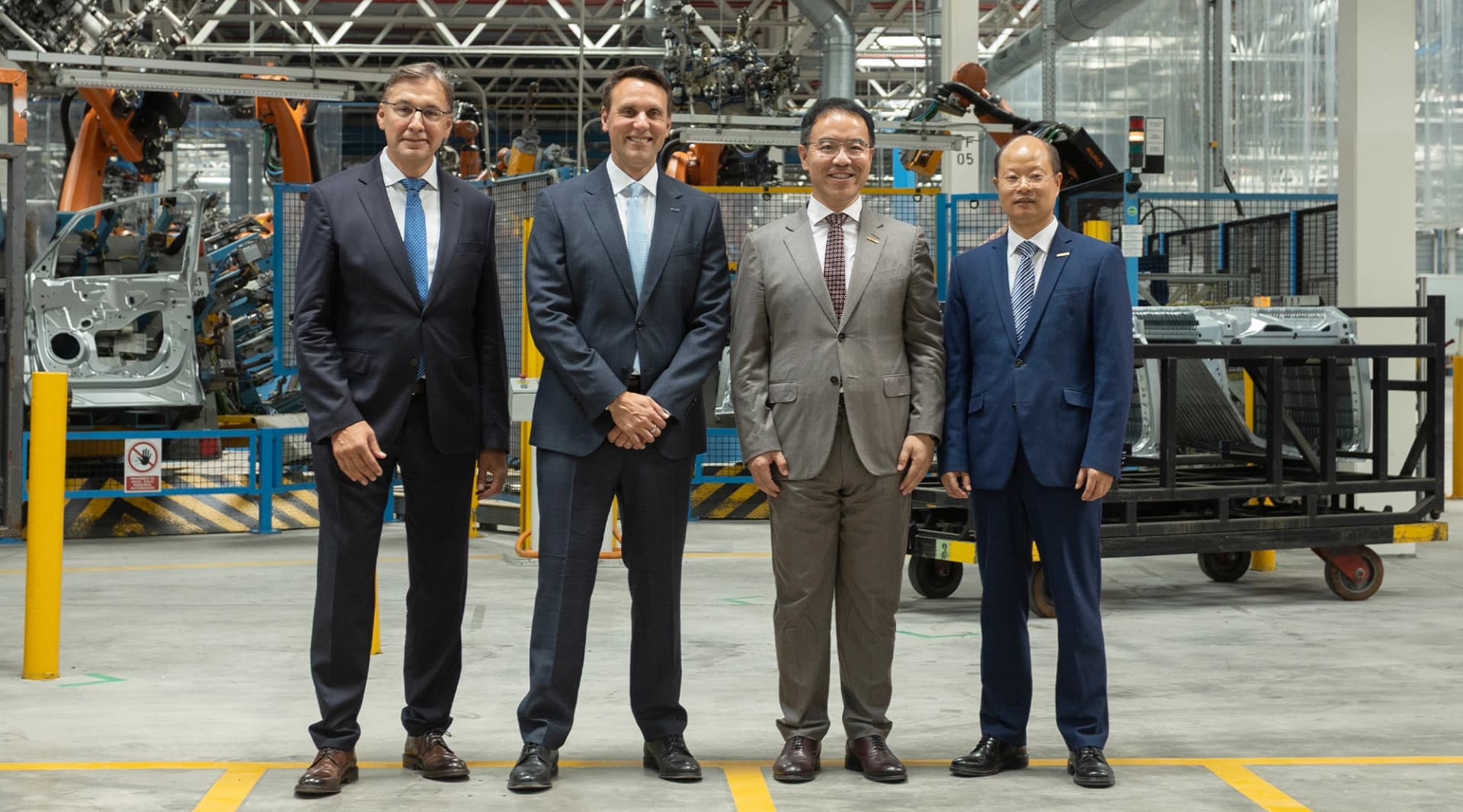
Europe spent two years building a tariff wall to keep Chinese-built cars out, and the answer was always going to be the same one Japanese and Korean brands reached decades ago: build them here instead. Ford and Geely have now made that official in Valencia, and the significance runs well beyond one factory in Spain.
The structure
Ford will own 66 percent of the new entity and Geely Auto 34 percent. Subject to regulatory approval, the joint venture begins operations in the first half of 2027, with the first new vehicles rolling off the line in 2028. The Valencia plant has been running since 1976, when it built the original Ford Fiesta, and has a potential annual capacity of around 500,000 vehicles.
Five vehicles, two brands
Kuga production continues without interruption, which matters given it is one of Europe's best-selling plug-in hybrids. From 2028 the plant adds a new member of the global Bronco family, described as a rugged, compact, adventure-ready multi-energy SUV built for European roads, plus an all-new multi-energy family crossover designed by Ford and jointly developed with Geely. Geely itself will build two electric SUVs there, its first models from the venture. That is five vehicles from two brands, all built in Europe.
Why Valencia needed this
A 500,000-car plant is only an asset if you fill it, and Valencia has been running far below that after repeated rounds of job cuts. Pooling volume across two manufacturers is the whole point of the deal: more cars through the same building means a lower cost per car. Baumbick was blunt about the ambition, saying Ford is making Valencia an automotive manufacturing powerhouse in Europe and pointing to the support of Spain's national and regional governments as a model for the rest of the continent.
What Geely gets
For Geely this is a European production base, and that is worth considerably more than a distribution deal. "We are building cars in Europe, for Europe, alongside a trusted partner," said Alex Nan, Vice President of Geely Auto Group, framing it as building on merit rather than on price. The scale behind the ambition is real: Geely sold 474,228 vehicles overseas in the first half of this year alone.
The history nobody should forget
Ford points out that the relationship goes back to 2010, when it sold Volvo Cars to Geely and then watched Geely protect and revive the brand. That is a striking thing for Ford to say out loud, and it is directly relevant here: Volvo builds cars in Ghent, so Geely's European industrial presence is not new to Belgium at all. This simply extends it.
AutoNext Take
Read past the corporate language and Baumbick is saying something fairly stark: emissions mandates are out of step with demand, costs are unsustainable, and Ford cannot fix Europe alone. His line about not waiting for policymakers to finish debating reforms is the most honest sentence in the whole announcement. A joint venture with a Chinese manufacturer is not a triumph for European industry, it is what happens when European industry runs out of other options.
That said, this is a far better outcome than the alternative. Valencia stays open, the workforce stays employed, and the cars get built here rather than shipped in. Geely gets exactly what tariffs were designed to prevent, but it gets it by investing in European plants and European jobs, which was always the point of the policy even if nobody phrased it that way.