Circuit Zolder is cutting its noise days in half, and that may be what saves it
Quieter, more predictable, and still racing
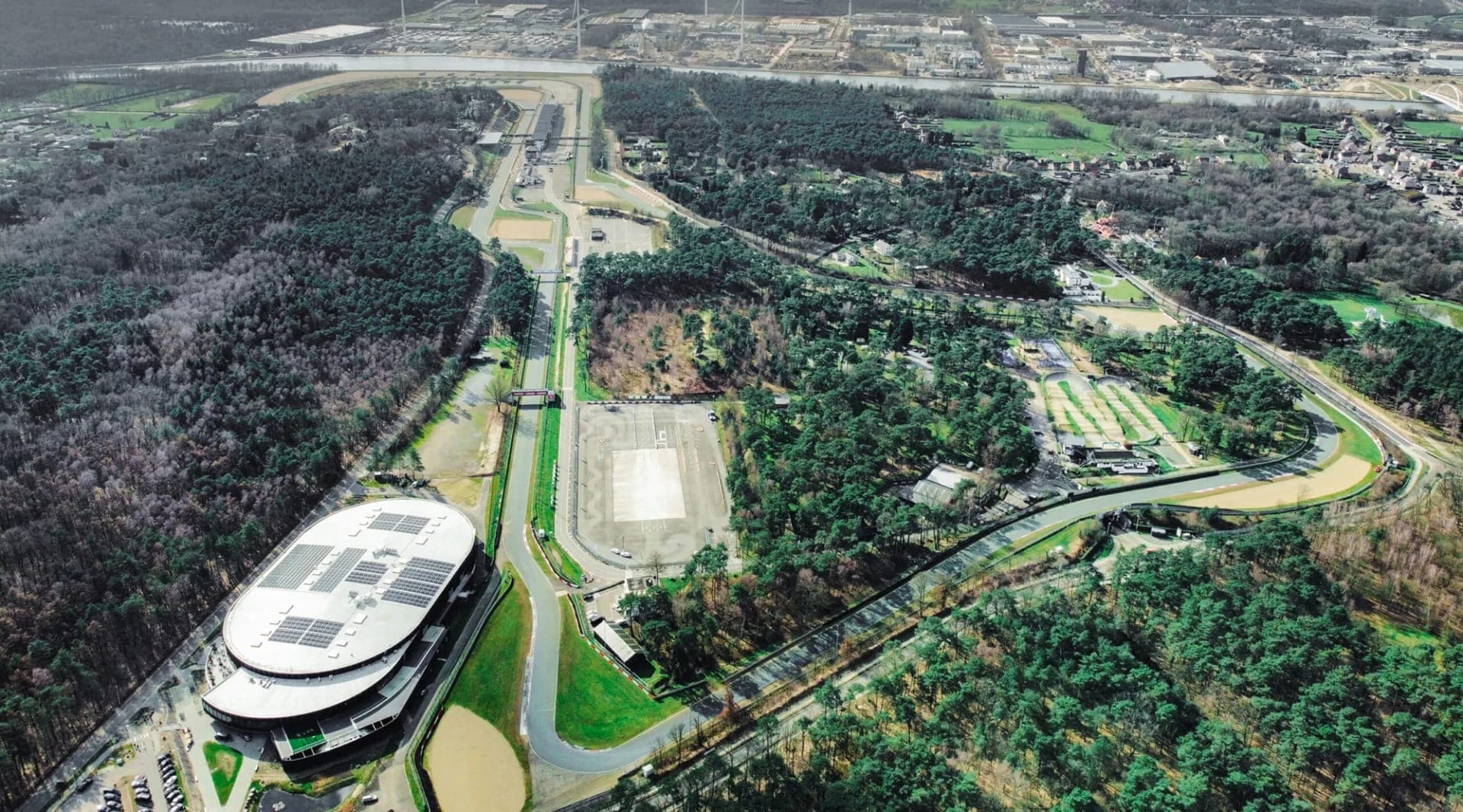
Circuit Zolder, one of Belgium's best-loved racetracks, is about to get noticeably quieter. From 1 August a new environmental permit roughly halves the number of noise days the Limburg circuit is allowed each year, and replaces its old system with fixed race days. It sounds like a restriction, and it is, but it may also be exactly what keeps the place alive.
What changes
The headline is the noise. The permit cuts Zolder's annual noise days from around 230 to 240 down to roughly 115 to 120, close to a 50 percent reduction. The old A, B and C day classification is scrapped in favour of a simpler unified system, and the calendar is now built around 12 fixed race weekends. Thursdays remain reserved for regular motorsport activity as before, with the occasional Tuesday added for racing. The result is a leaner, more structured schedule.
Why the circuit agreed to it
The value for residents is predictability. Fixed race days mean neighbours know well in advance exactly when the circuit will be loud, in exchange for it being loud far less often. For a track that lives among houses, that clarity is worth a great deal, and it is the kind of compromise that keeps a permit renewable rather than contested.
How Zolder keeps the lights on
Fewer noise days means the circuit has to earn its keep in other ways. Director Harry Steegmans admits planning becomes harder with fixed race days, but insists Zolder stays economically viable by broadening what it does. That means leaning into electric-vehicle events, which are near silent, along with non-motorsport uses like running and cycling, corporate hospitality and car exhibitions. The circuit is becoming a multipurpose venue that still happens to host racing, rather than a racetrack that does nothing else.
The neighbour question
Crucially, this is not a truce forced by an angry community. Steegmans says complaints over the past five years amount to barely a handful, and points out that many locals actually moved to the area because of the motorsport, not despite it. Zolder has stood at Terlamen for 65 years, so the relationship with its surroundings is long and largely settled. The new permit is more about locking in that goodwill for the future than repairing anything broken.
Why it matters for Belgian motorsport
Zolder is not just any circuit. It hosts the 24 Hours of Zolder and a packed grassroots calendar, and it remains a cornerstone of Belgian racing culture alongside Spa. Circuits across Europe have been squeezed out of existence by exactly this tension between motorsport and the people living next door, so a workable, renewed permit is genuinely good news. It is the mechanism that lets a historic Belgian track keep racing into a less tolerant era.
AutoNext Take
Halving your noise days does not sound like a win for a racetrack, but it is the smart move, and Zolder deserves credit for reading the situation clearly. Circuits do not usually die because nobody wants to race at them; they die because they lose the fight with the calendar, the council or the neighbours. By trading volume for predictability and building genuine alternative income around EVs, events and non-motorsport days, Zolder is choosing a slightly quieter present to protect a future at all. For anyone who loves Belgian racing, a circuit that adapts to survive is far better than one that stands its ground and disappears. Long may the noise, on its now fixed days, continue.