Continental's 43% recycled EV tyre is ready. The rulebook is not
The most important part of an electric car is the bit touching the road
Every argument about electric cars eventually lands on the battery. Chemistry, cell format, where the lithium came from, how much of it can be recovered at the end. Meanwhile the four components that decide how much of that battery you actually get to use sit quietly at each corner, wearing out, and almost nobody writes about them.
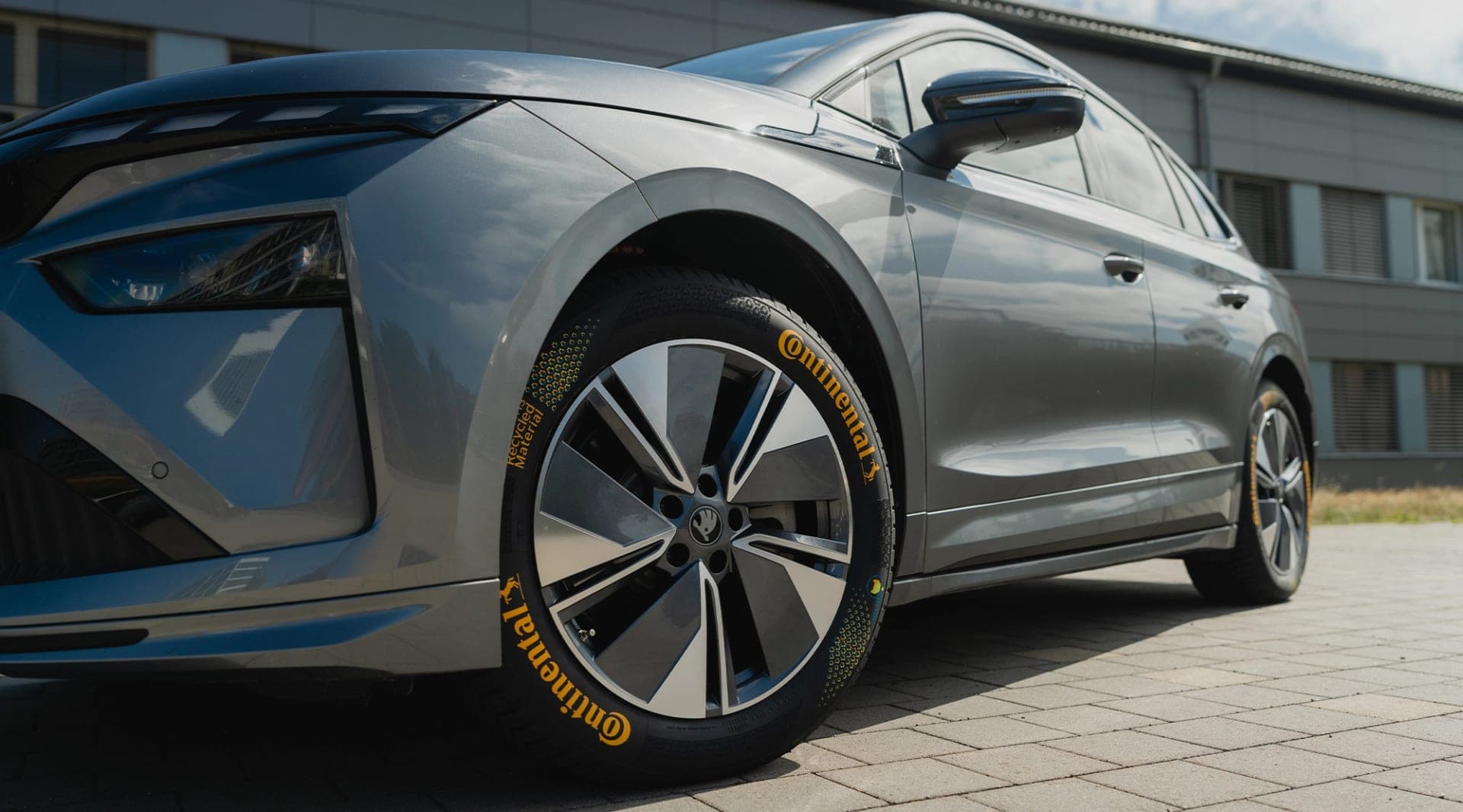
Continental has just made them harder to ignore. The German supplier has built a passenger car tyre from roughly 43 percent recycled material that still earns the highest rolling resistance grade on the EU tyre label. It is a concept, not a product, and the reason it is a concept has almost nothing to do with rubber.
Where 43 percent of a tyre comes from when it is not new
The recycled share is not one clever material, it is a shopping list. Steel from recovered scrap. Rubber reclaimed from end-of-life tyres. Polyester yarn spun from used PET bottles. Carbon black recovered from tyres that have already done their kilometres, a process Continental has been running at its Korbach plant since 2023, mostly for forklift tyres.
On top of that sits another 13 percent from renewable sources, including tall oil, a byproduct of paper pulp production that replaces petroleum-based resins. Add roughly a quarter more from mass balance certified feedstock and the total climbs past 80 percent of the tyre coming from recycled, renewable or certified material. Only the remaining fifth is conventional virgin petrochemical input.
Recycled normally costs you range. This one does not
That is the part worth pausing on. Recycled content in a tyre has historically meant a compromise somewhere, usually in rolling resistance, which is the single tyre characteristic an EV driver feels most directly. Rolling resistance is friction you pay for in kilowatt hours, and on a long motorway run it can move real-world range by a margin most drivers would notice on the dashboard.
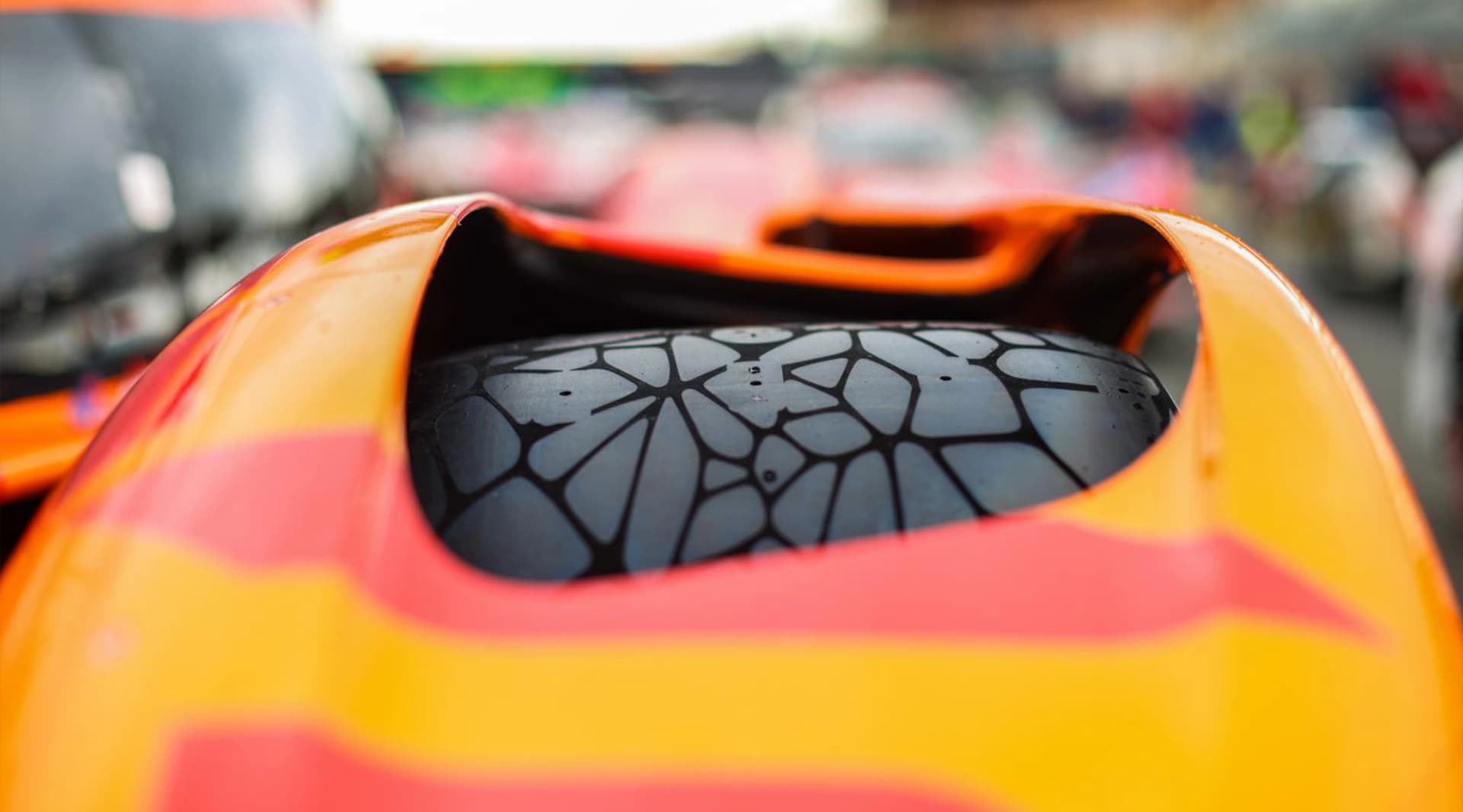
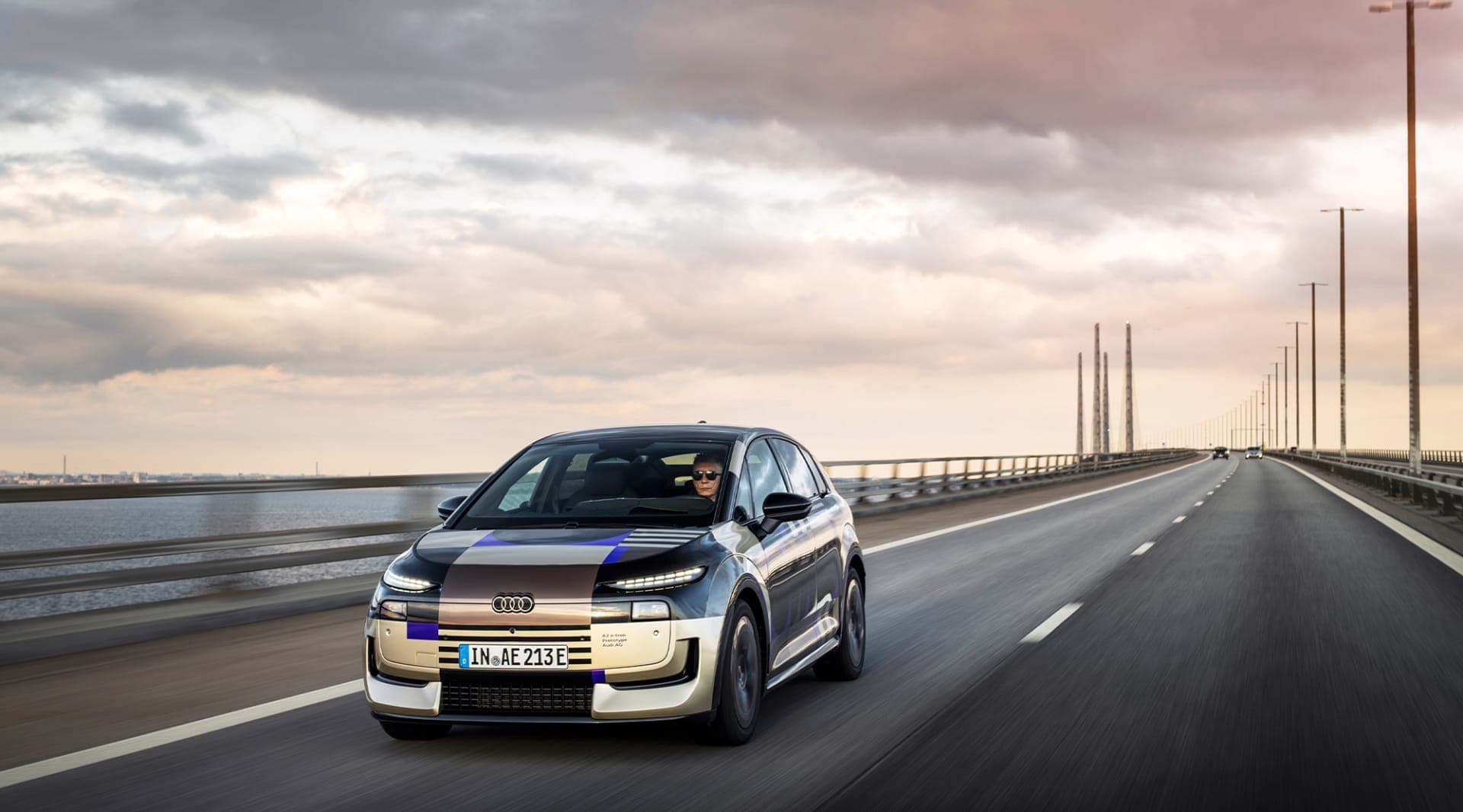
Continental's concept lands in the top band of the EU tyre label for exactly that measure. Nothing was traded away to get the recycled content in. It is the same engineering discipline that produces headline efficiency numbers elsewhere, whether that is an Audi that turned frugality into a record or a Le Mans slick engineered down to its tread pattern. The difference is that here it buys you nothing you can boast about, only kilometres you would otherwise have lost.
It is the kind of gain that does not photograph well and never makes a spec sheet, which is precisely why it gets ignored.
ZEvRA: the EU project that put a tyre maker in the room
The tyre was built inside ZEvRA, short for Zero Emission Electric Vehicles Enabled by Harmonised Circularity, a two-year EU funded project that wrapped up in 2026. Its brief was to attack the lifecycle carbon footprint of an electric car from every direction at once rather than treating the battery as the whole story.
Twenty-eight partners took part, spanning carmakers, research institutes, recyclers and suppliers. Continental was the only tyre manufacturer among them, which says something uncomfortable about how the industry ranks its own priorities. The concept tyre is the deliverable that came out of that seat at the table.
The blocker is a definition, not a factory
Andreas Topp, head of platform development at Continental, framed it plainly: the concept tyre shows what is technically possible today and provides impetus for the next steps. Read that as a supplier saying the hard engineering is finished and the paperwork is not.
Continental lists what is still missing before anything like this reaches a showroom: uniform European definitions of what counts as recycled material, clear criteria for when a recycled raw material qualifies, internationally harmonised rules for accounting for that material, and supply chains reliable enough to feed a production line rather than a demonstrator. Europe is already building the machinery to track exactly this sort of thing, with a digital vehicle passport arriving on every new car. It just has not agreed on the vocabulary that passport is supposed to carry.
Continental's own target is to lift renewable and recycled input from 28 percent of its material purchasing in 2025 to at least 40 percent by 2030. That is a company plan, not an industry one, and it will only work if a recycled tyre can be described the same way in Antwerp, Hanover and Milan.
AutoNext Take
Europe has spent the better part of a decade regulating the tailpipe, and now the tailpipe is disappearing. What is left is the stuff that was always the harder problem: the materials, where they come from and where they go. Continental has handed Brussels an inconvenient piece of evidence, a tyre that is nearly half recycled, loses nothing in efficiency, and cannot be scaled because there is no agreed European sentence describing what it is.
That is not a green technology problem. That is a legislative homework problem, and it is the sort that quietly decides whether the circular economy becomes an industry or stays a press release. Fix the definitions and this tyre becomes ordinary. Leave them alone and it stays a very good concept nobody can buy.