Audi's cheapest EV is also the most efficient car it has ever built
The new Audi A2 e-tron starts at €38,200, nearly €10,000 below the Q4 e-tron. Audi says the same car also sets a new efficiency record for the brand
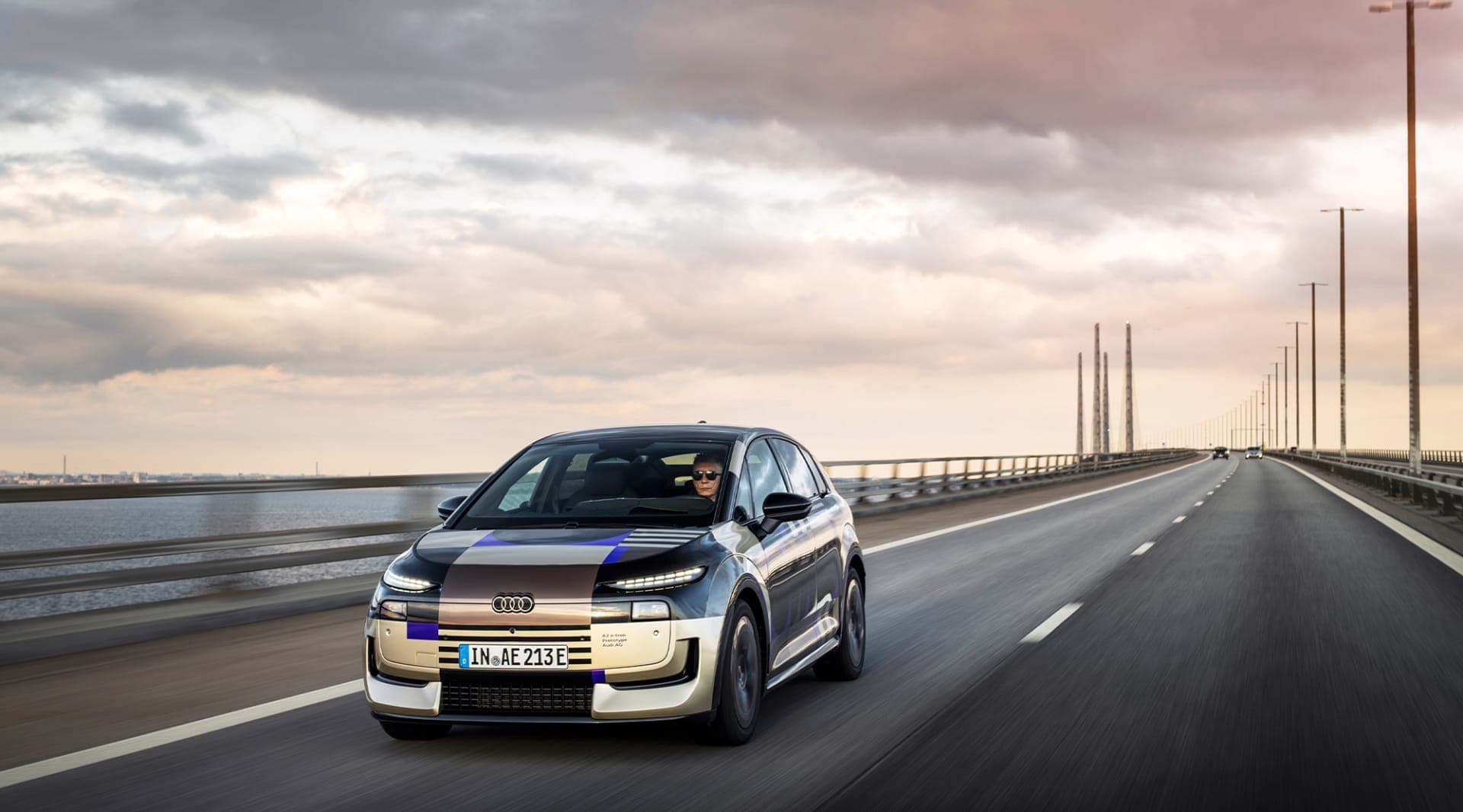
Audi has confirmed pricing and full specifications for the A2 e-tron, a compact electric hatchback reviving the A2 name more than two decades after the original went out of production, ahead of its full unveiling in autumn 2026. The entry-level 125 kW version starts at €38,200, while the mid-range 140 kW version fitted with an efficiency package claims energy consumption of just 12.8 kWh per 100 km on the WLTP cycle, which Audi says makes it the most efficient car the brand has ever built. Four power outputs are offered, 125 kW, 140 kW, 170 kW and 240 kW, alongside battery options that top out at a 79 kWh pack good for up to 649 km of range.
How Audi got to 12.8 kWh per 100 km
Most of the saving comes from aerodynamics. The A2 e-tron posts a drag coefficient of 0.24, the best in Audi's compact lineup, helped by an active cool-air intake that closes during normal driving, along with air curtains and gap reducers that smooth airflow around the wheels. Audi says these aerodynamic measures alone cut consumption by up to 0.9 kWh per 100 km. The drive system adds its own gains, with silicon carbide semiconductors in the power electronics, thinner motor laminations to reduce iron losses, a tall 10.2:1 gear ratio tuned for efficient highway cruising, and low-friction transmission oil, together claimed to make the setup up to 10 percent more efficient than a conventional electric drivetrain.
A battery built around chemistry, not just capacity
The efficiency-focused 140 kW version uses a 61 kWh lithium iron phosphate battery in a cell-to-pack design, a chemistry that needs no rare earth elements and charges at 89.6 percent efficiency on a home wallbox with adaptive cooling. It also supports bidirectional Vehicle-to-Load and Vehicle-to-Home charging, letting the car power devices or a home directly. DC charging on this pack peaks at 105 kW, enough for a 10 to 80 percent top-up in 26 minutes. The motor is Volkswagen Group's APP350 unit, shared with the VW ID.3 Neo and Cupra Born, built on the updated MEB platform rather than the newer, smaller MEB+ architecture underpinning the cheaper VW ID Polo.
Priced to sit clearly under Audi's other EVs
At €38,200, the A2 e-tron undercuts the Q4 e-tron, which starts around €47,500, by nearly €10,000, making it comfortably the cheapest way into a new electric Audi. It still sits well above the VW ID Polo's €24,995 starting price, a gap that traces directly back to platform choice, since the A2 e-tron uses the established MEB architecture rather than the cost-optimised MEB+ underpinning the Polo. That positioning reads as deliberate: Audi is not trying to build the cheapest EV in the Volkswagen Group, only the most efficient one it can sell at a price below its existing electric range.
The A2 name is doing a lot of work here
The original Audi A2, sold from 1999 to 2005, built its reputation on an aluminium space-frame body and aerodynamic efficiency that felt years ahead of its time, including a limited 3L version that used barely three litres of diesel per 100 km. It never sold in the volumes Audi hoped for and was dropped after six years, but it kept a loyal following among owners who valued the engineering over the badge. Reviving that name for an EV built specifically around efficiency, rather than performance or luxury, is a direct signal from Audi about what this car is meant to represent.
AutoNext Take
Audi choosing to fight the efficiency battle rather than the horsepower one is the more interesting story here, and doing it with the A2 name attached gives the car a clearer identity than yet another anonymous compact EV nameplate would have. Cheaper entry into the brand and a genuine efficiency claim backed by real engineering choices, aerodynamics, drivetrain losses, and a sensible LFP battery rather than one big number, is a combination that actually matters to how far the car goes on a real charge.
The 12.8 kWh per 100 km figure is still a manufacturer's WLTP claim ahead of a full autumn reveal, and Audi's own numbers on drag and efficiency gains have not been independently verified yet. The €38,200 starting price is also a German figure, and pricing elsewhere in Europe will likely differ once the car actually reaches showrooms. None of that undercuts the idea behind the car, only the certainty of exactly how it will perform once independent reviewers get their hands on one.