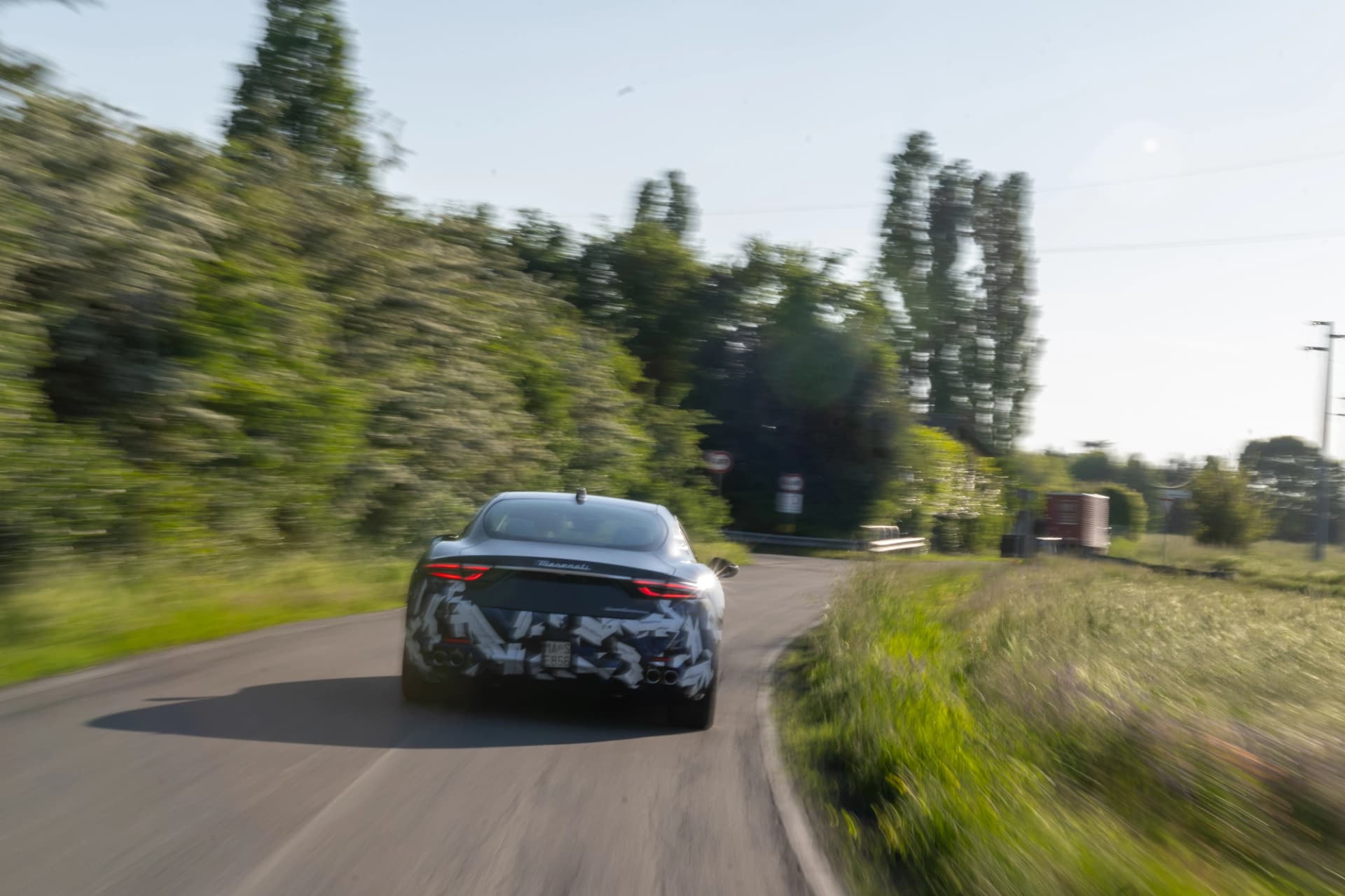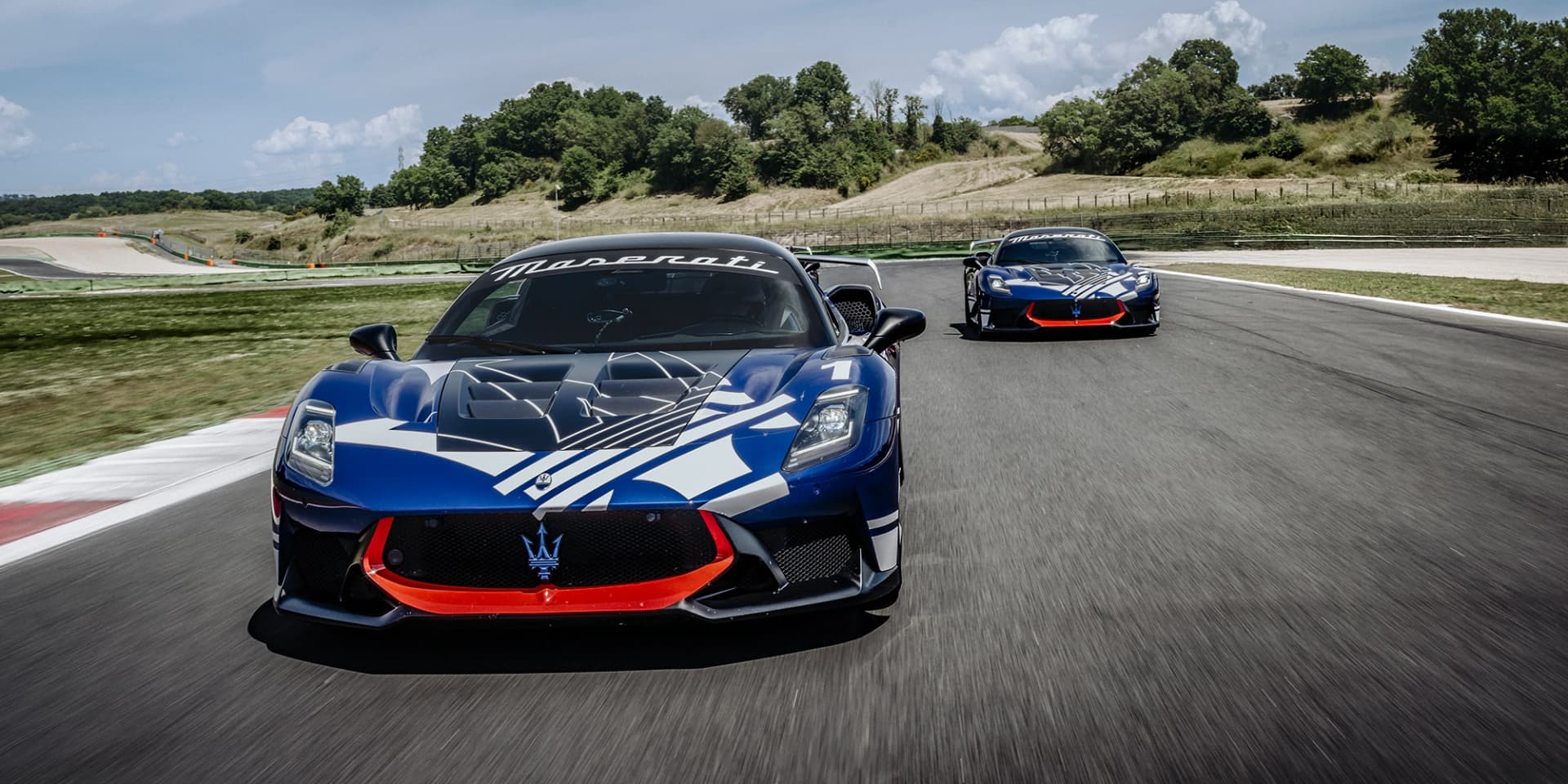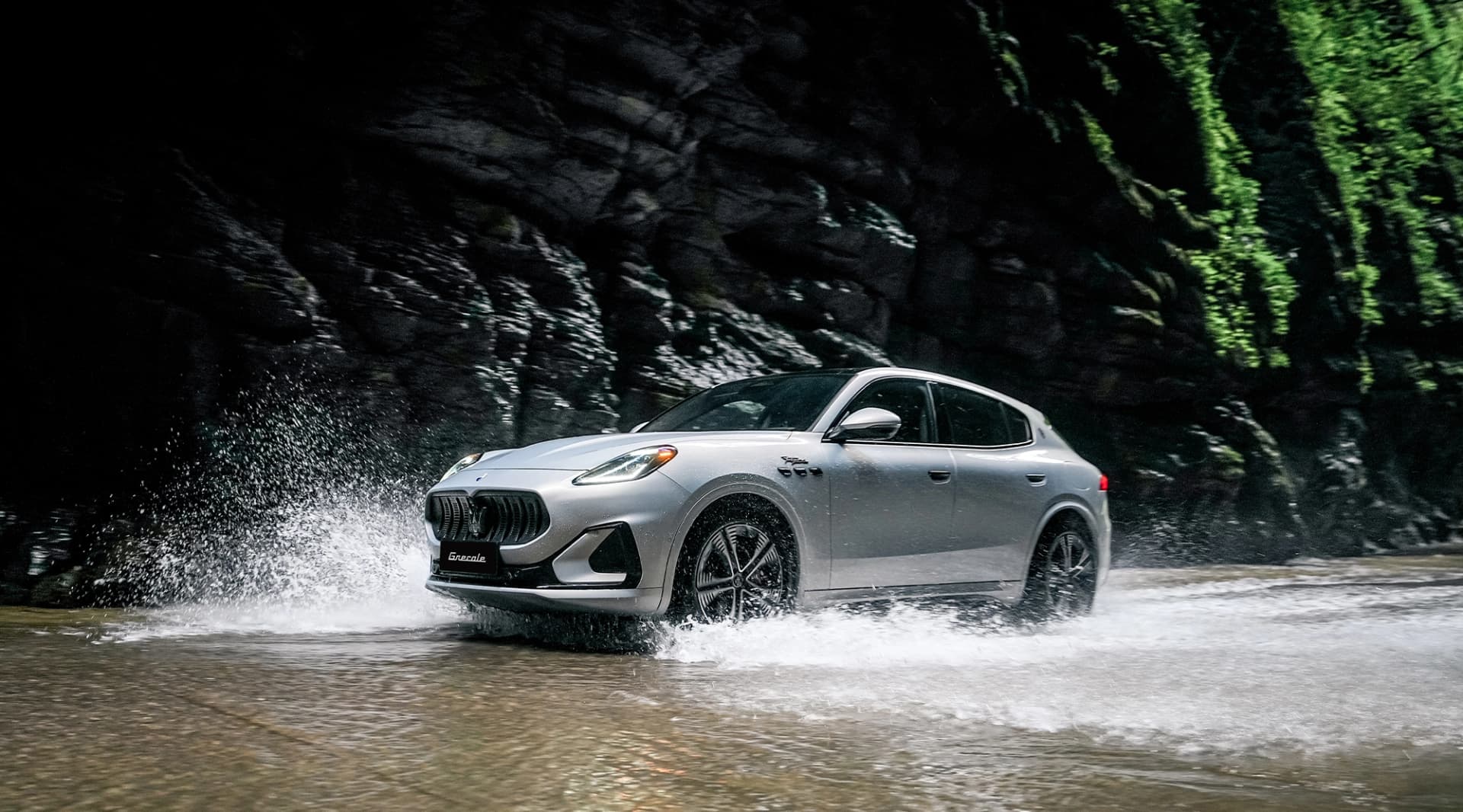
Could Huawei and JAC help build Maserati’s next EV?
Maserati may be heading towards one of the most controversial partnerships in its modern history.
According to reports from China, Stellantis is said to be in discussions with Huawei and JAC to develop new electric vehicles for Maserati. The idea would reportedly follow a structure similar to Huawei’s existing intelligent mobility partnerships: Huawei would lead software, smart cockpit technology and planning, JAC would handle engineering and production, while Maserati would focus on design, brand positioning and the emotional layer.
Maserati needs more than nostalgia
Maserati is one of the most emotional names in the automotive world. The problem is that emotion alone no longer sells enough cars.
The brand has struggled badly in recent years. Global sales have fallen sharply compared with its 2017 peak, China has collapsed from being one of Maserati’s most important markets to a shadow of its former self, and the brand’s electric models have not yet created the turnaround Stellantis needed.
Why Huawei and JAC would make sense
On paper, a partnership with Huawei and JAC sounds painful for a brand built on Italian performance heritage. In reality, it might be exactly the kind of shortcut Maserati needs.
Huawei has become a major force in China’s smart EV space, especially through digital cockpit systems, connected technology, driver assistance and software-led vehicle ecosystems. JAC already works with Huawei through the Maextro brand and has the industrial base to support new-energy vehicle production.
But he danger is also obvious. If the next Maserati EV feels like a Chinese technology product wearing an Italian badge, the brand loses. If it feels like an authentic Maserati using world-class Chinese software and EV know-how, the brand may survive.
The Maextro connection is the sensitive part
Reports suggest that two related vehicles could be planned. One version would be sold in China under the Maextro brand. Another could be reworked, redesigned or rebadged as a Maserati for international markets.
This is where the story becomes delicate. Because luxury buyers can accept shared technology. They can accept global supply chains. They can even accept outsourced platforms if the final product feels unique enough. What they usually do not accept is lazy badge engineering.
Stellantis has already opened the door to Chinese partnerships
The group already has a strategic partnership with Leapmotor, and that relationship is being expanded into Europe. Stellantis clearly understands that Chinese EV makers move fast, develop software quickly and can deliver cost structures that many European manufacturers struggle to match.
That reality is uncomfortable. European brands are under pressure from every side: high costs, slower EV demand in some markets, Chinese competition, software gaps and increasingly complex regulation. For a low-volume brand like Maserati, developing every future technology independently may simply no longer be realistic.
AutoNext Take
This story hurts a little. Not because Maserati might work with Chinese partners. That alone is not the problem. The automotive world is global, and China is now one of the most advanced EV markets on the planet. Ignoring that would be arrogant.
If Huawei and JAC help Maserati fix software, digital experience, EV efficiency and production economics while Italy keeps control over design, feel and brand character, this could be a lifeline.