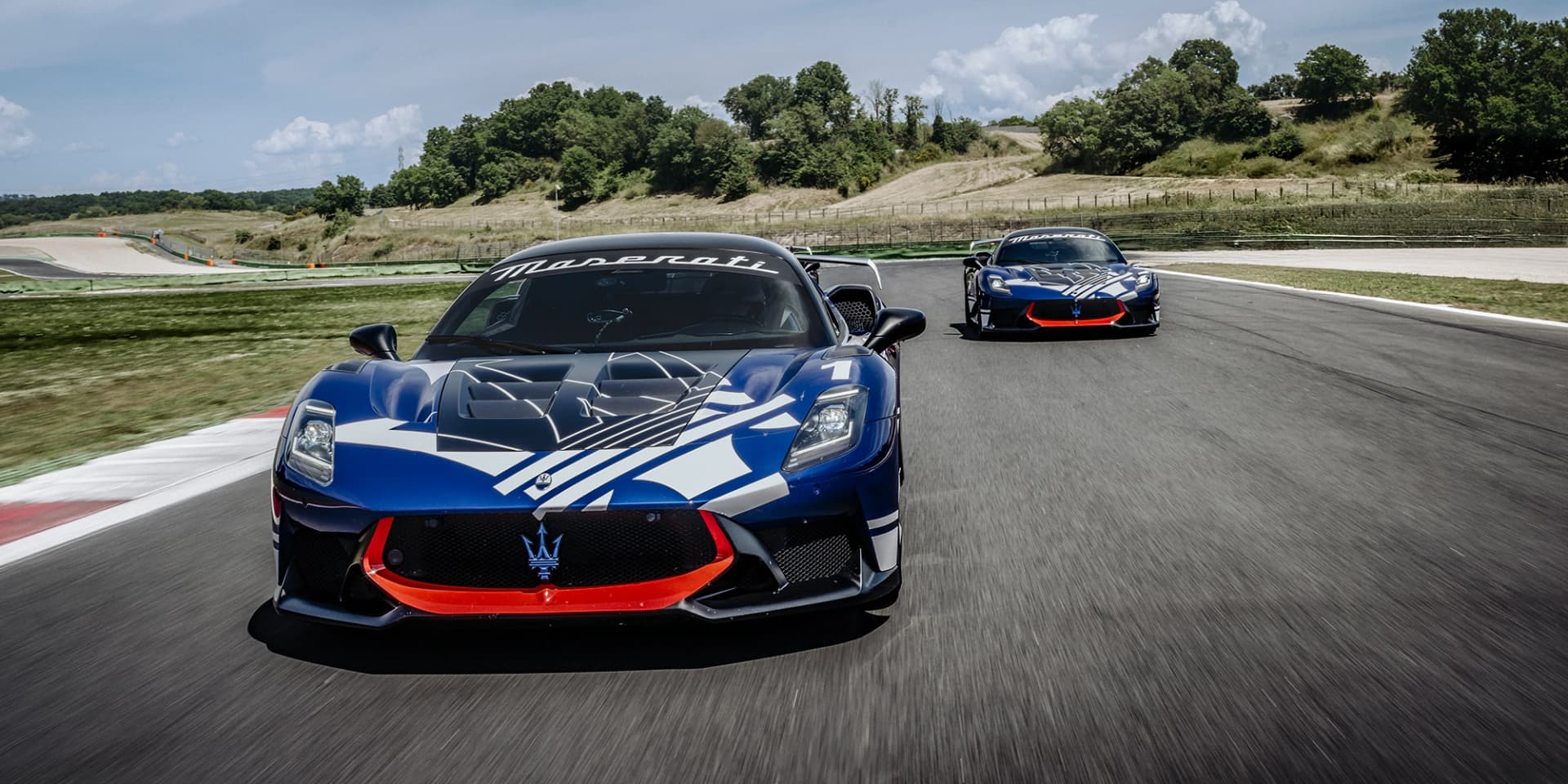
Stellantis reportedly exploring Chinese investment, could Maserati be part of the deal?
The global automotive industry may be approaching another strategic turning point.
According to multiple reports from Bloomberg and Reuters, executives at Stellantis have been quietly holding discussions with several Chinese automakers and investors about potential partnerships in Europe. One name repeatedly mentioned in those conversations is Maserati.
Quiet talks with Chinese tech-driven automakers
Sources familiar with the discussions suggest Stellantis has met with representatives from companies including Xiaomi and XPeng. The conversations reportedly revolve around several possible forms of collaboration:
direct investment in Stellantis’ European operations
access to European manufacturing capacity
strategic stakes in selected Stellantis brands
Within those discussions, Maserati has emerged as one of the brands that could potentially open its capital to external investors. At this stage, no formal agreement has been confirmed. Stellantis has responded cautiously, stating only that discussions with industry partners are a normal part of operating as a global automotive group.
Europe: Stellantis’ most complicated battlefield
The timing of these talks is not coincidental. While Stellantis remains highly profitable in North America thanks to brands like Jeep and Ram, its European operations face far more structural challenges. The region combines lower margins, strict regulation, and intense competition, particularly from fast-growing Chinese EV manufacturers.
At the same time, the transition to electric vehicles requires enormous capital. Stellantis recently announced more than €22 billion in exceptional charges, partly related to adjustments in battery investments and EV development programs.
Industrial overcapacity across Europe adds another layer of complexity. Several plants are currently operating below their optimal production levels while demand remains uncertain and pricing pressure continues to intensify. In that context, bringing in external partners capable of providing capital, technology and additional production volumes could be a pragmatic solution.
A strategic opportunity for Chinese manufacturers
For Chinese automakers, a partnership with Stellantis could represent a powerful shortcut into the European market. Companies such as Xiaomi and XPeng already possess strong expertise in software integration, digital ecosystems, and EV platforms.
Access to Stellantis’ European factories would allow them to accelerate expansion while potentially avoiding trade barriers associated with importing vehicles from China. This strategy is already partially visible through Stellantis’ existing partnership with Leapmotor, which plans to produce some vehicles in Europe using Stellantis facilities.
Maserati: a prestigious but fragile jewel
Within the vast Stellantis portfolio, Maserati occupies a unique position. It is one of the most prestigious names in Italian automotive history, yet its commercial performance in recent years has been inconsistent. Despite major product launches (including the Maserati MC20 and the new Maserati GranTurismo) the brand still struggles to reach the scale and profitability of competitors such as Porsche.
Opening the brand to external investors could therefore serve multiple purposes: securing additional funding for future models, accelerating electrification, and strengthening Maserati’s technological capabilities. But it would also represent a significant symbolic shift. The Trident brand, long seen as an icon of Italian automotive craftsmanship, could become partially backed by Chinese capital.
AutoNext Take
If these discussions eventually lead to a deal, it would mark another chapter in a trend we have been observing across the industry.
For Stellantis, partnering with Chinese investors could bring technology and capital at a time when both are desperately needed for electrification. But for Europe, the implications run deeper.
Because if brands like Maserati begin welcoming Chinese shareholders, it would confirm something many analysts have been predicting for years: the future of the European car industry may increasingly depend on partnerships with the very competitors that once threatened it. And that would fundamentally reshape the global automotive map.