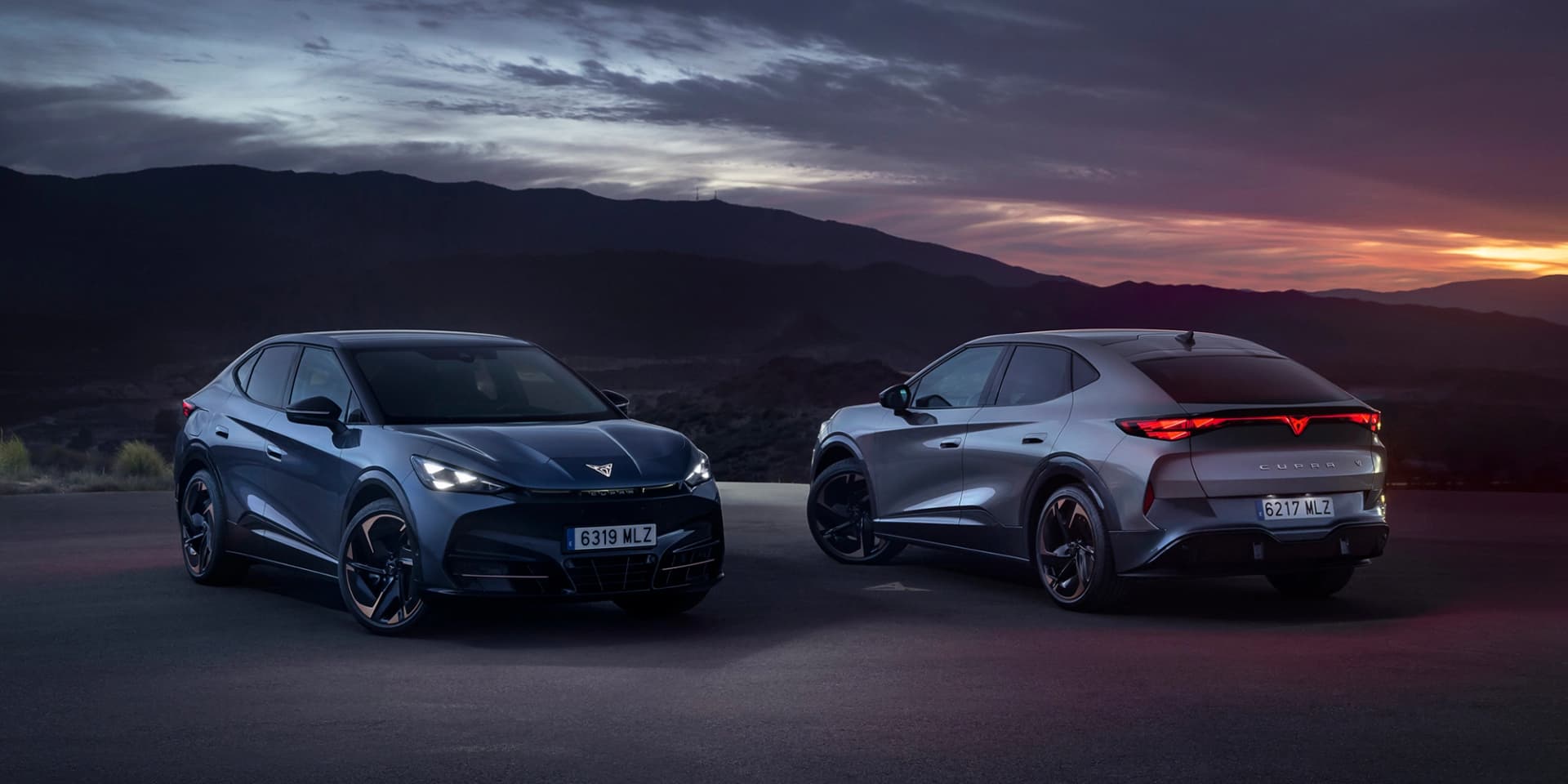
CUPRA Tavascan receives rare EU exemption from Chinese EV import tariffs
The electric CUPRA Tavascan has officially secured a highly unusual position within the European automotive landscape.
The European Commission has granted the model an exemption from the additional import tariffs imposed on Chinese-built electric vehicles entering the European Union. It is a significant development, not only for CUPRA, but also for the wider debate surrounding European trade policy and the growing influence of Chinese EV production.
Why Chinese-built EVs face extra tariffs in Europe
Since 2024, electric vehicles manufactured in China and exported to Europe have been subject to additional import duties. The EU introduced these tariffs following concerns that Chinese manufacturers benefit from state subsidies, potentially creating unfair competition for European carmakers. As a result, tariffs vary widely depending on the manufacturer.
They range from roughly 7.8 percent for Tesla vehicles built in China to as much as 38.1 percent for SAIC, on top of the standard 10 percent EU import duty. This policy created an unusual situation: European brands producing cars in China are also affected.
And that is exactly the case for the CUPRA Tavascan, which shares much of its technical foundation with models such as the Volkswagen ID.5, yet is produced in China through the Volkswagen Anhui.
A conditional exemption from the European Commission
The exemption did not come automatically. According to the European Commission, Volkswagen Group successfully demonstrated that the pricing strategy of the Tavascan would not harm the European automotive industry. However, the decision comes with several strict conditions.
First, the vehicle must respect a minimum pricing threshold, although the exact figure has not been publicly disclosed. Second, the number of Tavascans that can be sold within the EU is limited by a maximum volume cap.
Finally, Volkswagen Anhui is not allowed to export any additional electric or plug-in hybrid models from China to the EU under the same exemption. These conditions effectively ensure that the Tavascan remains a niche model rather than a mass-market competitor to European-built EVs.

A crucial decision for CUPRA
For CUPRA, the ruling may have saved one of its most important projects. The company invested heavily in the development and launch of the CUPRA Tavascan, which debuted in 2024 as the brand’s first fully electric SUV coupé.
Without the exemption, additional tariffs could have dramatically increased the price of the model in Europe, potentially threatening sales volumes and even jobs within the brand’s European operations. So far, sales numbers remain modest but growing. Since its launch, 1,685 Tavascans have been delivered globally, with 1,407 units sold during 2025 alone.
What this decision says about the EV trade war
The case of the Tavascan highlights the complexity of the ongoing EV trade tensions between Europe and China. While the EU aims to protect its automotive industry from heavily subsidized competitors, the reality of modern manufacturing is far more interconnected. Many European brands rely on global production networks, including factories in China.
Meanwhile, some Chinese manufacturers have already adapted to the tariffs by exporting hybrid models instead of pure EVs, which currently fall outside the EU’s additional duties. The result is a policy that protects certain segments of the industry, but also creates unexpected loopholes and strategic negotiations.
AutoNext Take
The exemption granted to the CUPRA Tavascan reveals something important about the future of Europe’s automotive industry. Protectionism alone cannot solve the challenges posed by global EV competition.
As we have explored in recent AutoNext articles about the rise of Chinese EV technology and the strategic transformations of European manufacturers, the industry is entering a period where global supply chains and political decisions increasingly shape which cars reach the market.
For CUPRA, this exemption is a lifeline. But for Europe, it also raises a bigger question: how long can trade policy keep pace with the rapidly changing geography of automotive production?
