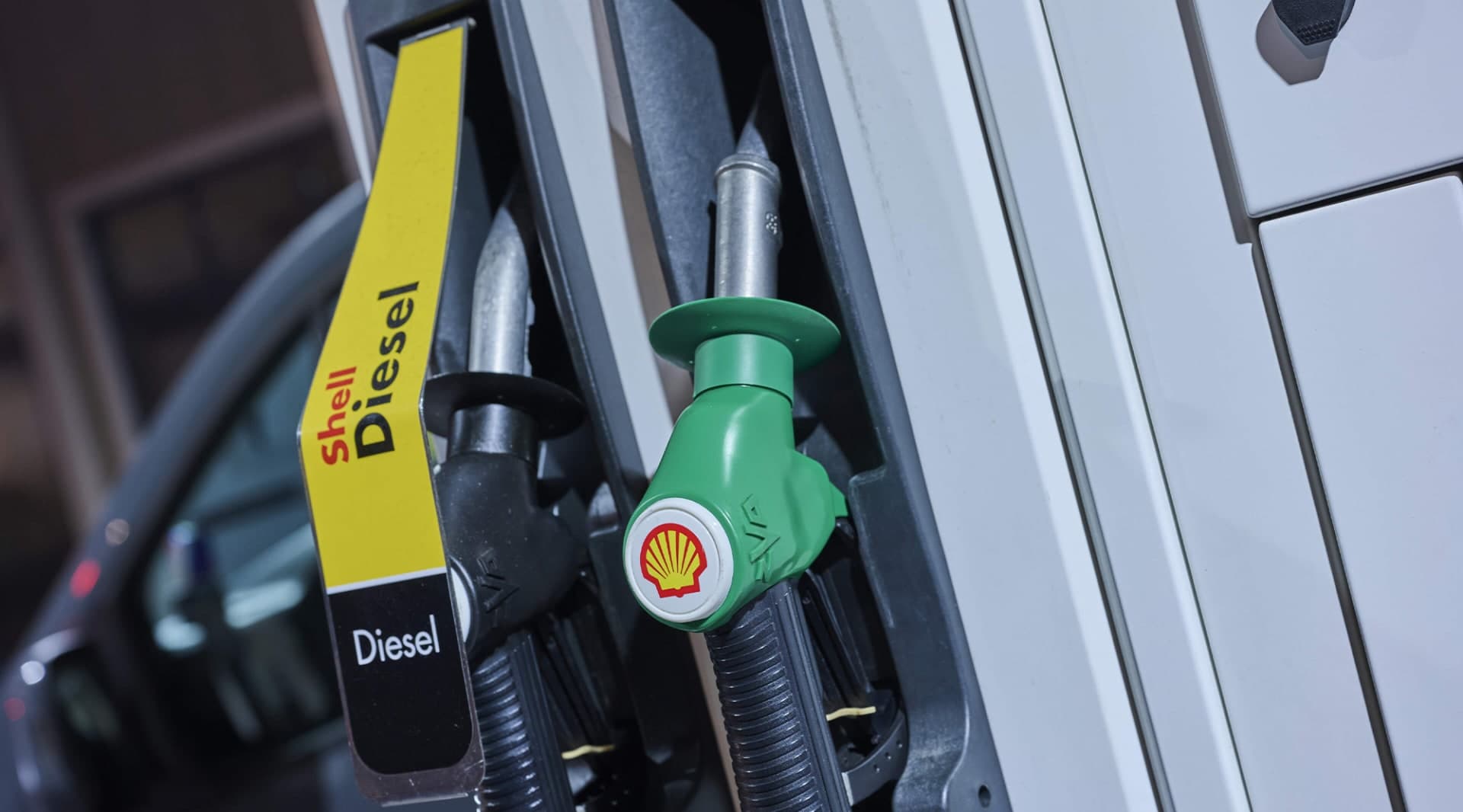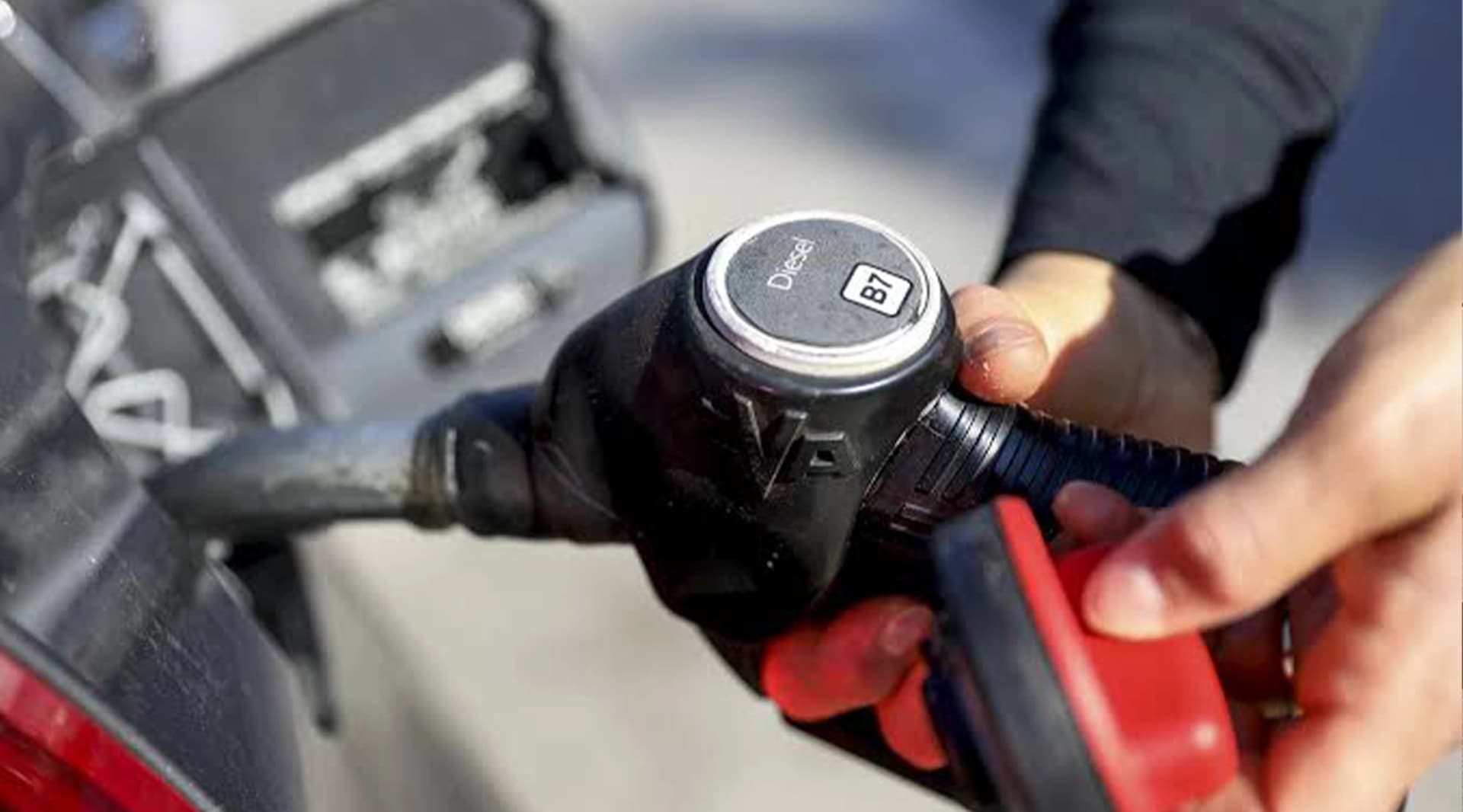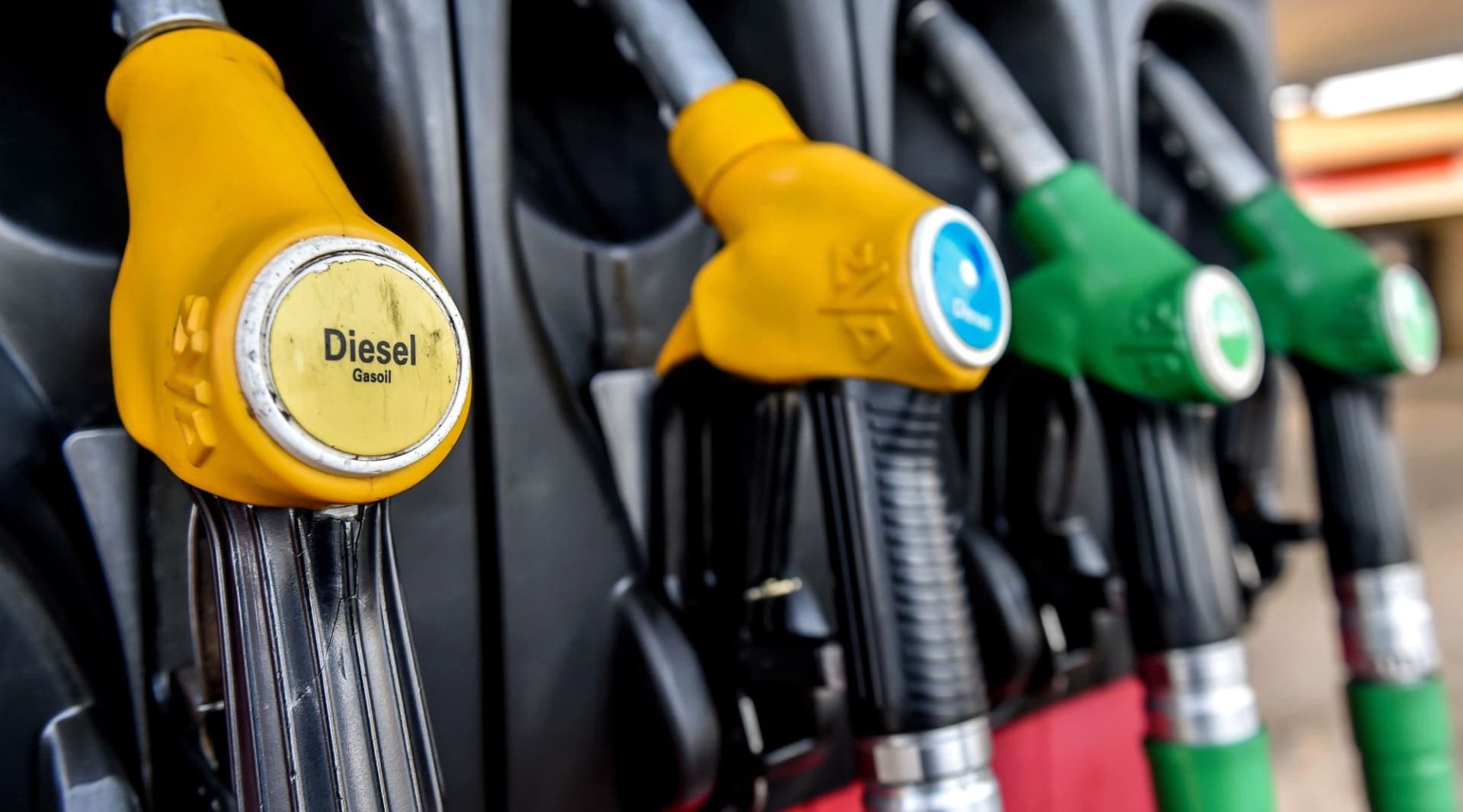
Diesel has broken away from petrol in Europe, and it is now the pricier fuel
For decades diesel was the cheap option, and that rule has just quietly broken
Generations of European drivers bought diesel cars on a simple promise: more miles, cheaper fuel. That bargain is coming apart. Diesel has decoupled from petrol at the pump and, across much of Europe, now costs noticeably more, and the timing could hardly be worse, arriving just as oil prices climb again on fresh tension in the Middle East. For the millions still running a diesel, it is a double squeeze.
The gap at the pump
The numbers tell the story. In mid-August the EU average stood at roughly 1.93 euros a litre for diesel against about 1.79 for petrol, making diesel around 8 percent more expensive on average. The move has been fast: since their June and early-July lows, diesel prices have jumped by about 27 percent in Germany, 16 percent in France and 15 percent in Spain. In Germany the pump price climbed from around 1.73 euros in late June to about 2.19 euros a month later. This is not a rounding error, it is a genuine reversal of the old order.
Why diesel has jumped
The main driver is refining, not crude. Turning oil into diesel has become more expensive and more constrained, with tight refining capacity and low diesel stocks pushing up the margins built into every litre. Diesel is also the workhorse fuel of freight, farming and heating, so any squeeze in supply hits it harder than petrol. Add in the reduced flow of diesel and diesel components into Europe following years of sanctions-related disruption, and the fuel that was traditionally the cheaper choice has become the pricier one.
And now the oil price is rising too
On top of the refining problem comes geopolitics. Oil prices jumped more than 2 percent after US President Donald Trump ruled out extending a framework agreement with Iran, reached in June, as its negotiating window ran down without a comprehensive settlement. Brent crude rose about 2.4 percent to roughly 90.60 dollars a barrel and the US benchmark to about 84.20 dollars, with markets nervous about the Strait of Hormuz, the chokepoint through which a large share of the world's oil passes. Higher crude feeds straight through to the pump within weeks, so European drivers should brace for more, not less, pressure on fuel costs.
AutoNext Take
For anyone weighing up their next car, this is a quietly important shift. The whole financial logic of diesel rested on cheaper fuel offsetting a higher purchase price and pricier maintenance. Strip out the fuel saving, and much of that case collapses, especially for private buyers who do not cover huge annual mileages. Diesel still makes sense for genuine long-haul and towing duty, but for the average driver the sums now point more firmly than ever toward petrol, hybrid or electric.
The bigger worry is that this is not a one-off spike but a sign of how exposed Europe remains to forces far outside its control. A refining crunch and a diplomatic standoff thousands of kilometres away can move the number on a local pump within days, and there is little a driver can do about either. That fragility is, in the end, one of the strongest arguments for the shift to electric: not because charging is always cheap, but because it loosens the grip that a single barrel of crude still has on the household budget. For now, though, diesel owners are simply paying more, and there is no quick relief in sight.