Italy just cut its diesel tax, seven months after deliberately raising it
A green tax rise and an emergency cut, in the same year
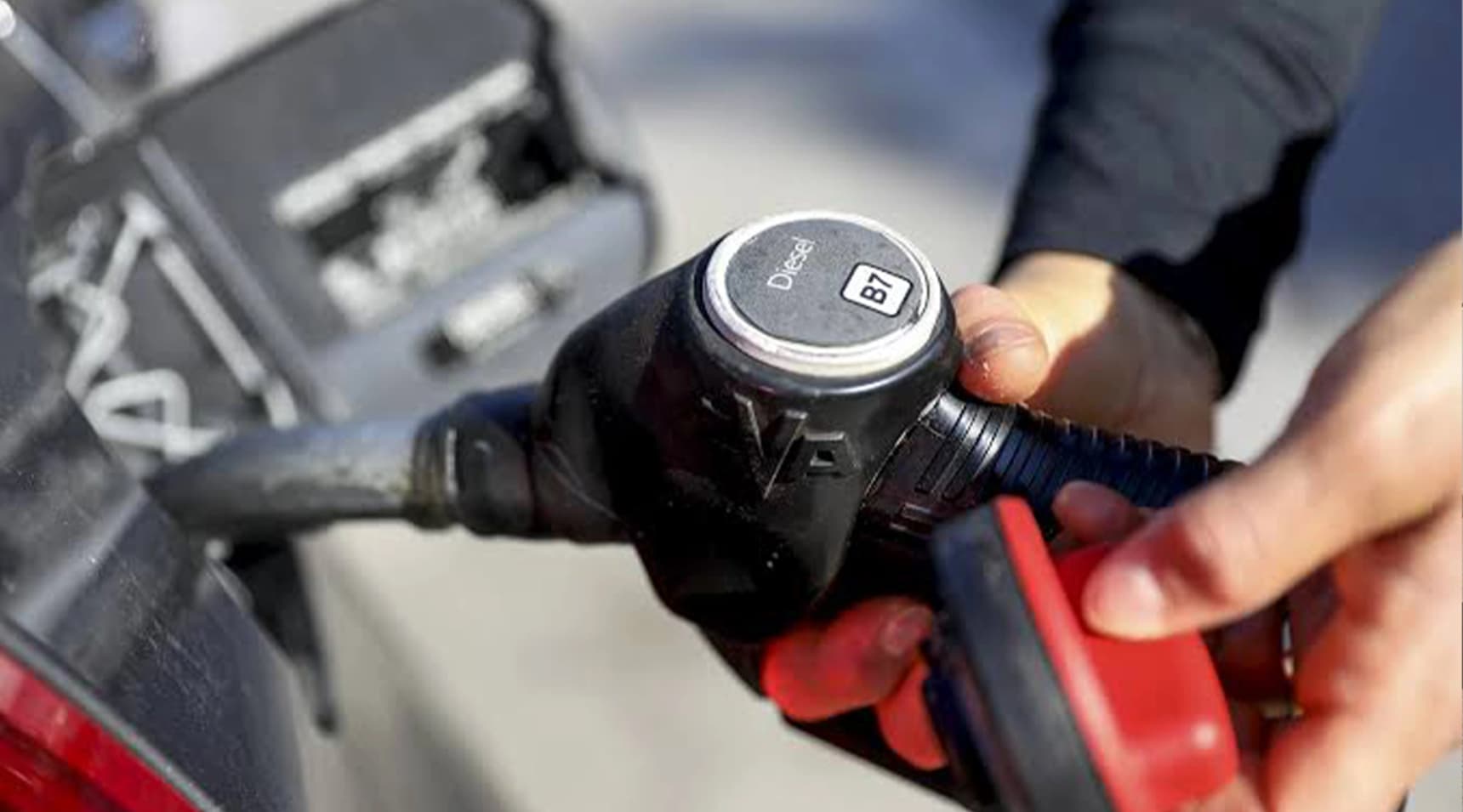
Italy is doing two contradictory things to diesel in the space of a single year. In January it raised the tax on diesel to match petrol, ending an advantage the fuel had enjoyed for decades. This week it cut that same tax again, temporarily, to shield drivers and hauliers from an oil-price spike. Both moves make sense on their own, and together they capture exactly how tangled fuel policy has become.
The emergency cut
The measure is a 14 cent per litre reduction in diesel excise, running from 28 July to 6 August 2026, which drops the rate from 672.90 to 532.90 euro per 1,000 litres. With VAT added, the saving at the pump works out at around 17 cents a litre. It was issued by emergency decree on 27 July and applies to standard diesel as well as synthetic and biodiesel sold as motor fuel.
Why now
The government framed it as cushioning the impact of surging energy prices linked to the widening conflict in the Middle East, which has pushed oil markets sharply higher, with Italian petrol topping 2.60 euro a litre. Alongside the excise cut, authorities extended a tax credit for transport companies, adding 22 million euro to the roughly 300 million already reserved. The aim is to keep essential road freight moving while prices are volatile.
The January reform it partly reverses
Here is the twist. From 1 January 2026, Italy had equalised petrol and diesel excise at 672.90 euro per 1,000 litres, lowering petrol slightly and raising diesel by roughly 4 to 5 cents a litre including VAT. That was a deliberate policy, part of a plan to phase out environmentally harmful subsidies, and it ended the tax break diesel had held for years. Seven months later, an emergency has forced the government to cut the very tax it had just raised.
What it means for hauliers
The benefit for transport firms is more nuanced than a flat discount. Because the excise itself has fallen, the amount operators of Euro V and Euro VI trucks can reclaim through their quarterly filings also drops, from 269.20 to 129.60 euro per 1,000 litres. The pump price is lower, but part of the rebate they used to bank disappears with it, so the net gain is smaller than the headline number suggests.
The wider European lens
This is not only an Italian dilemma. Belgium and the Netherlands have wrestled with the same diesel-versus-petrol question and keep fuel taxes among the highest in Europe, and every government in the region faces the same tension: taxing diesel harder to hit climate targets, then having to soften the blow the moment prices spike. Italy's whiplash simply makes the contradiction visible.
AutoNext Take
There is no villain here, just an impossible balancing act. Governments have committed to making fossil fuels more expensive to meet climate goals, which is coherent policy, and they cannot let hauliers and commuters absorb a sudden price shock from a conflict they had no part in, which is also coherent. The problem is that the two aims point in opposite directions, and when they collide the result is a tax that goes up in January and down in July, leaving nobody quite sure what fuel will cost next month.
For drivers the practical takeaway is simpler. Diesel's decades-long price advantage is being dismantled across Europe on purpose, and temporary cuts like this one do not change that direction, they only pause it. If you are choosing a car for the long term, plan around the trend, not the discount.