The Saab Aero-X, a concept so bold that it still feels futuristic twenty years later
Some concept cars stay in the collective memory of car enthusiasts for decades.
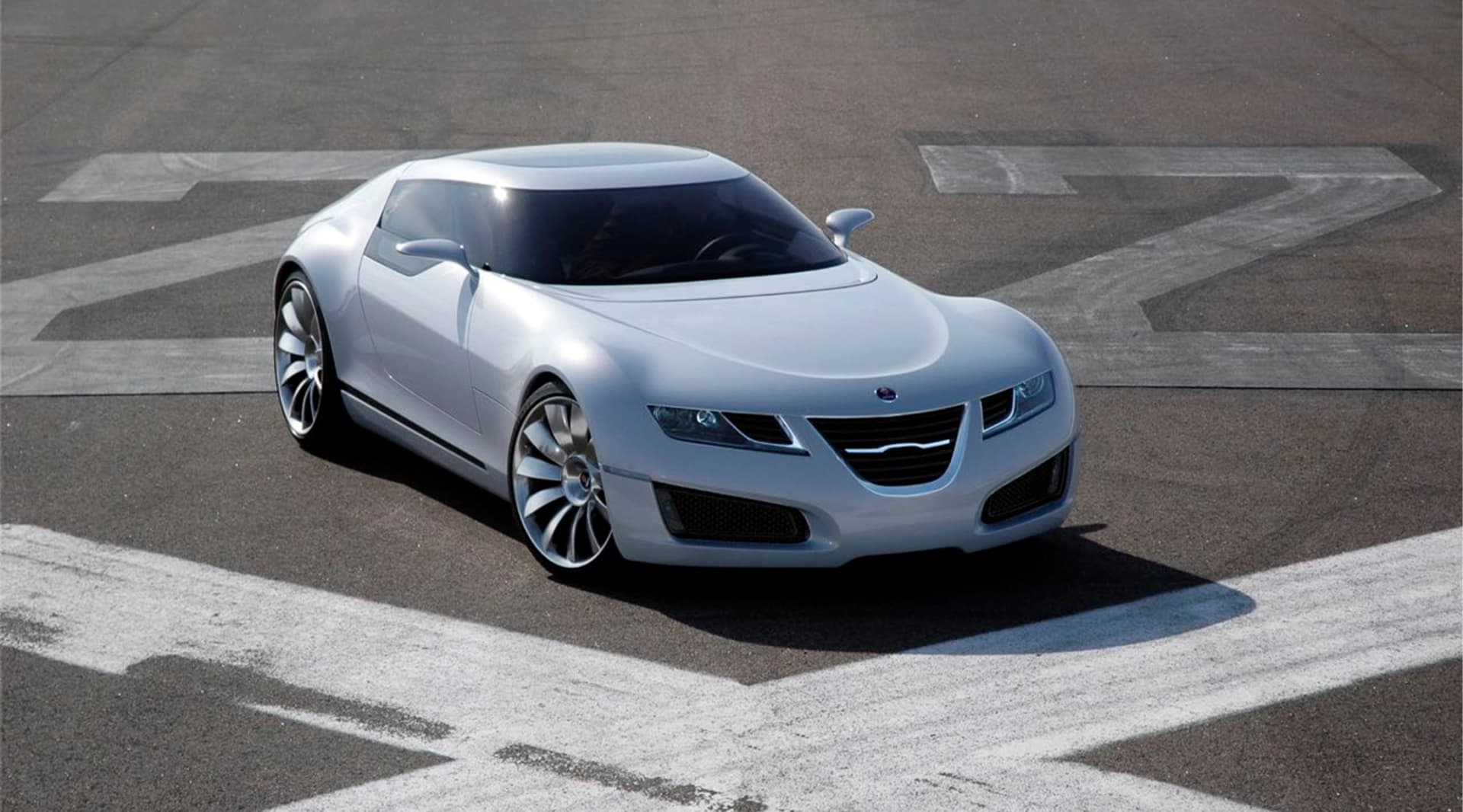
Unveiled at the Geneva Motor Show in 2006, the Aero-X was Saab at its most confident. A striking grand tourer inspired by aviation, designed to redefine the future of the Swedish brand. Ironically, that future never arrived. But the car itself remains one of the most fascinating concept cars ever produced by Saab Automobile.
A grand tourer born from Saab’s aviation heritage
At first glance, the Aero-X looked like something straight out of a science-fiction film. Classic grand tourer proportions but with a twist that made the car instantly unforgettable. Instead of conventional doors and pillars, the Aero-X featured a single-piece aircraft-style canopy that lifted upward and forward, revealing the cockpit beneath.
There were no A-pillars, giving occupants a panoramic 180-degree field of vision. The design wasn’t just theatrical. It was a direct tribute to Saab’s roots as an aerospace company, a legacy that shaped the brand long before it became known for quirky Swedish cars.
Carbon fibre and BioPower performance
Unlike many concept cars, the Aero-X wasn’t just a static showpiece. It was a fully functioning prototype built around a carbon-fibre monocoque chassis. Under the bonnet sat a twin-turbocharged 2.8-liter V6 BioPower engine, capable of producing around 400 horsepower while running on ethanol-based fuel.
Power was delivered to all four wheels through a seven-speed dual-clutch gearbox, allowing the front-mid-engine sports car to sprint from 0 to 100 km/h in just 4.9 seconds, with top speed electronically limited to 250 km/h.
Suspension consisted of double wishbones at the front and a multilink setup at the rear, while massive 380-mm ventilated brake discs ensured the concept had the stopping power to match its performance ambitions.

Scandinavian design at its finest
Where the Aero-X truly stood out was in its design philosophy. The exterior combined clean Scandinavian minimalism with futuristic elements. The car rode on 22-inch front wheels and enormous 23-inch rear wheels, featuring turbine-inspired rims that reinforced the aviation theme.
The rear design was equally striking, with slim LED tail lights connected by a light bar, pronounced shoulders and centrally mounted exhaust outlets integrated into the carbon-fibre bodywork.
Inside, the cabin embraced a typically Swedish approach: minimalist, elegant and surprisingly modern even by today’s standards. Black leather contrasted with green-lit digital graphics projected through glass-like acrylic surfaces, creating a cockpit that felt both technical and calm.
Why the Aero-X never reached production
Despite the overwhelmingly positive reception in Geneva, the Aero-X was never intended to reach production. The concept served a different purpose.
At the time, Saab’s parent company General Motors wanted a show car that would introduce Saab’s new design language and highlight the opening of the brand’s new design centre in Sweden.
Mission accomplished. Many of the Aero-X design cues eventually made their way into the Saab 9-5, launched in 2009, the last major model introduced before Saab’s bankruptcy in 2011. Unfortunately, the realities of corporate strategy meant that the dramatic canopy roof, extreme proportions and rear-wheel-drive ambitions of the concept were never realistically viable for production.
AutoNext Take
Looking back today, the Aero-X feels like one of those rare concept cars that captured something special. It wasn’t just a design experiment. It was a vision of what Saab could have become.
In many ways, the Aero-X predicted trends we see across the industry today: dramatic lighting signatures, minimalist interiors, sustainable fuels and performance blended with grand-touring comfort.
But perhaps its greatest achievement was emotional. The car reminded the world that Swedish automotive design could be daring, imaginative and deeply cool.