NIO Firefly wins 2026 World Urban Car of the Year: a new signal in the global EV landscape
The global automotive landscape is changing faster than ever.
At the New York International Auto Show, the compact NIO Firefly has just claimed the 2026 World Urban Car of the Year title, a recognition awarded by a jury of 98 automotive journalists from 33 countries. For NIO, the award marks another important milestone as the brand continues expanding its presence beyond China.

A major moment at the World Car Awards
The World Urban Car of the Year category recognises vehicles specifically designed for dense city environments, where compact dimensions, efficiency and intelligent technology matter more than outright performance. In the final round, the Firefly faced two other strong contenders:
Baojun Yep Plus (also sold internationally as the Chevrolet Spark EUV)
Hyundai Venue
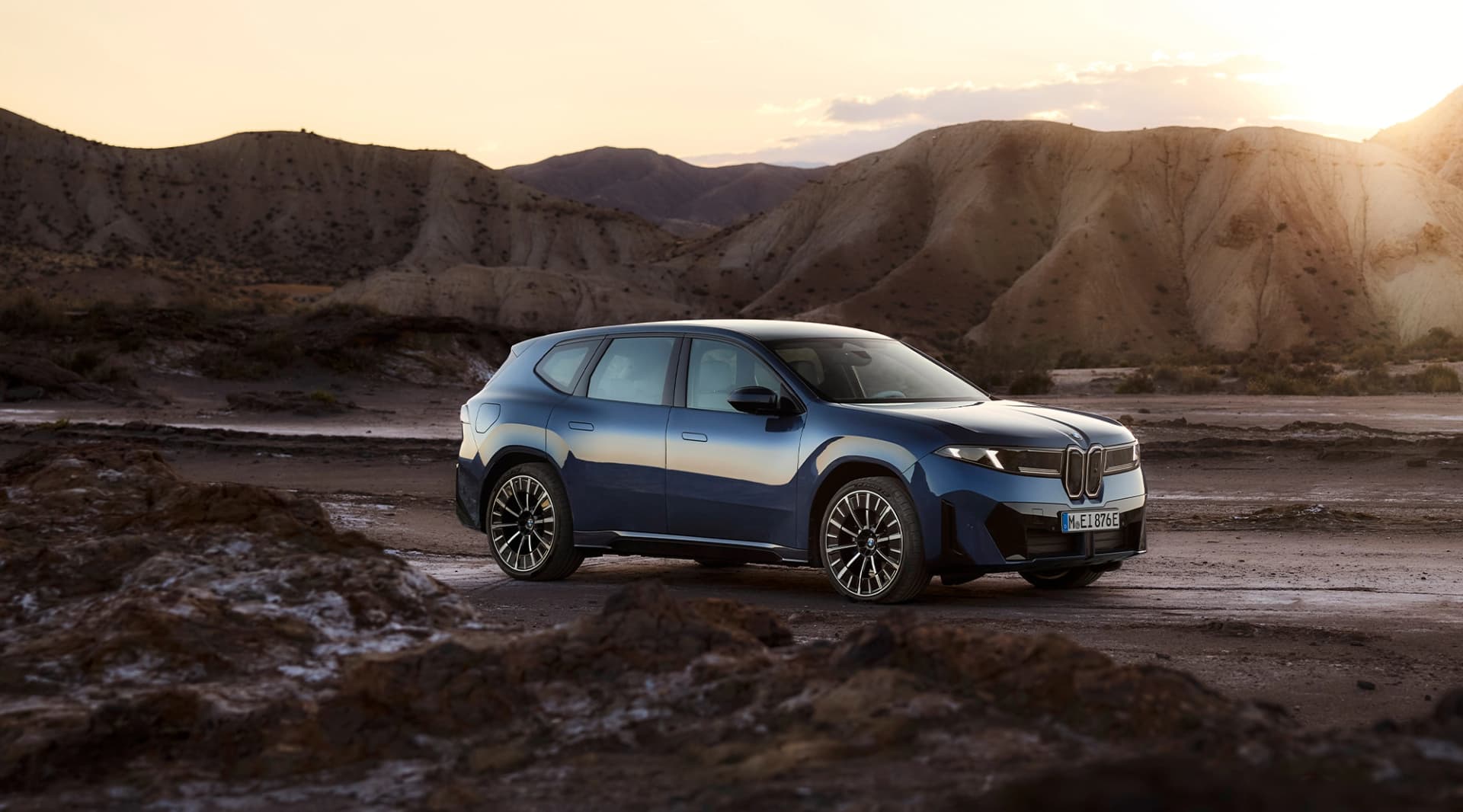
Winning the award puts Firefly in impressive company. During the same ceremony, the BMW iX3 secured the overall 2026 World Car of the Year title, while other winners included the Lucid Gravity (World Luxury Car), the Hyundai Ioniq 6 N (World Performance Car) and the Mazda 6e for World Car Design of the Year.
Firefly: NIO’s urban mobility brand
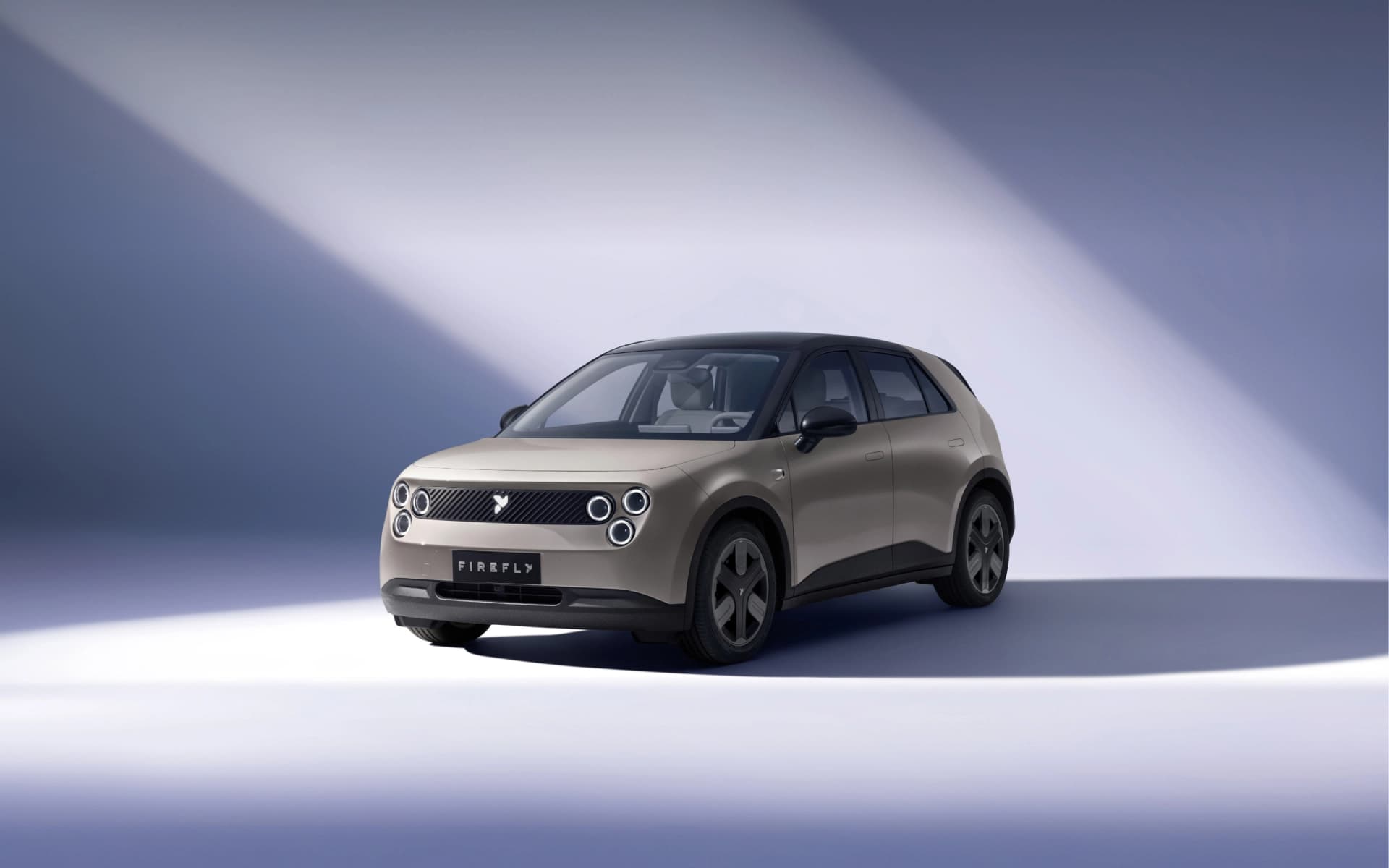
The Firefly brand itself is relatively new. It was officially unveiled at NIO Day 2024 in Guangzhou, positioned as the third pillar within the NIO ecosystem alongside the premium NIO marque and the family-focused ONVO brand.
The mission behind Firefly is simple but ambitious. According to Firefly president Daniel Jin, the goal is to make urban mobility “lighter, smarter, safer and more aligned with everyday life.”
Currently, the lineup consists of a single model (also named Firefly) a compact electric hatchback designed specifically for dense urban environments. At 4,003 mm long, the car sits firmly within the European B-segment, competing with vehicles such as the Renault 5 E-Tech and the MINI Cooper Electric.
Power comes from a rear-mounted permanent magnet motor producing 105 kW and 200 Nm of torque, delivering a 0–100 km/h acceleration time of roughly eight seconds. Energy is supplied by a 41.2 kWh lithium iron phosphate battery, offering a WLTP range of around 330 kilometres. Charging performance remains competitive for this class. DC charging reaches up to 100 kW, allowing the battery to recharge from 10 to 80 percent in approximately 29 minutes.
A surprisingly competitive price
One of the Firefly’s strongest advantages lies in pricing. In China, the model starts at 119,800 yuan, roughly €15,100, including the battery.
Thanks to NIO’s Battery-as-a-Service (BaaS) program, customers can reduce the purchase price to 79,800 yuan, or about €10,060, by leasing the battery separately.
Such pricing dramatically lowers the entry barrier to electric mobility and highlights how aggressively Chinese manufacturers are targeting the global urban EV segment.
Rapid growth in China and a cautious European start
Demand in China has been relatively strong. Cumulative deliveries reached over 50,000 units by the end of March 2026, roughly eleven months after the first deliveries began in April 2025. Monthly deliveries peaked at 7,084 units in December 2025, although early 2026 saw a temporary slowdown due to the Chinese New Year period and shifting government incentives.
March marked a clear recovery with 6,117 units delivered, placing the brand back within its internal target of 6,000 to 6,500 monthly deliveries. International expansion is also underway.
European deliveries began in Norway and the Netherlands in August 2025, followed by Greece, Denmark, Austria and Portugal later that year. Prices start at approximately €23,500 in Norway, benefiting from local EV incentives, and around €29,990 in the Netherlands & Belgium.
Right-hand-drive markets are also entering the picture. Singapore became the first such market in early 2026, with Thailand following shortly after. The United Kingdom is expected to join the list later this year.
AutoNext Take
A decade ago, few observers would have expected a Chinese brand to win a major category at the World Car Awards, particularly in a segment traditionally dominated by European and Japanese manufacturers.
Today, that outcome feels increasingly natural. What makes Firefly particularly interesting is not just the award itself, but the strategic positioning behind it. Rather than competing directly with premium EVs, NIO has chosen to attack one of the most important markets of the coming decade: compact, affordable electric vehicles designed specifically for dense urban environments.