This 2,040 hp Italian hypercar exists on paper, and has for four years
Estrema unveiled the Fulminea in 2021. Deliveries have moved three times since, and still have not happened
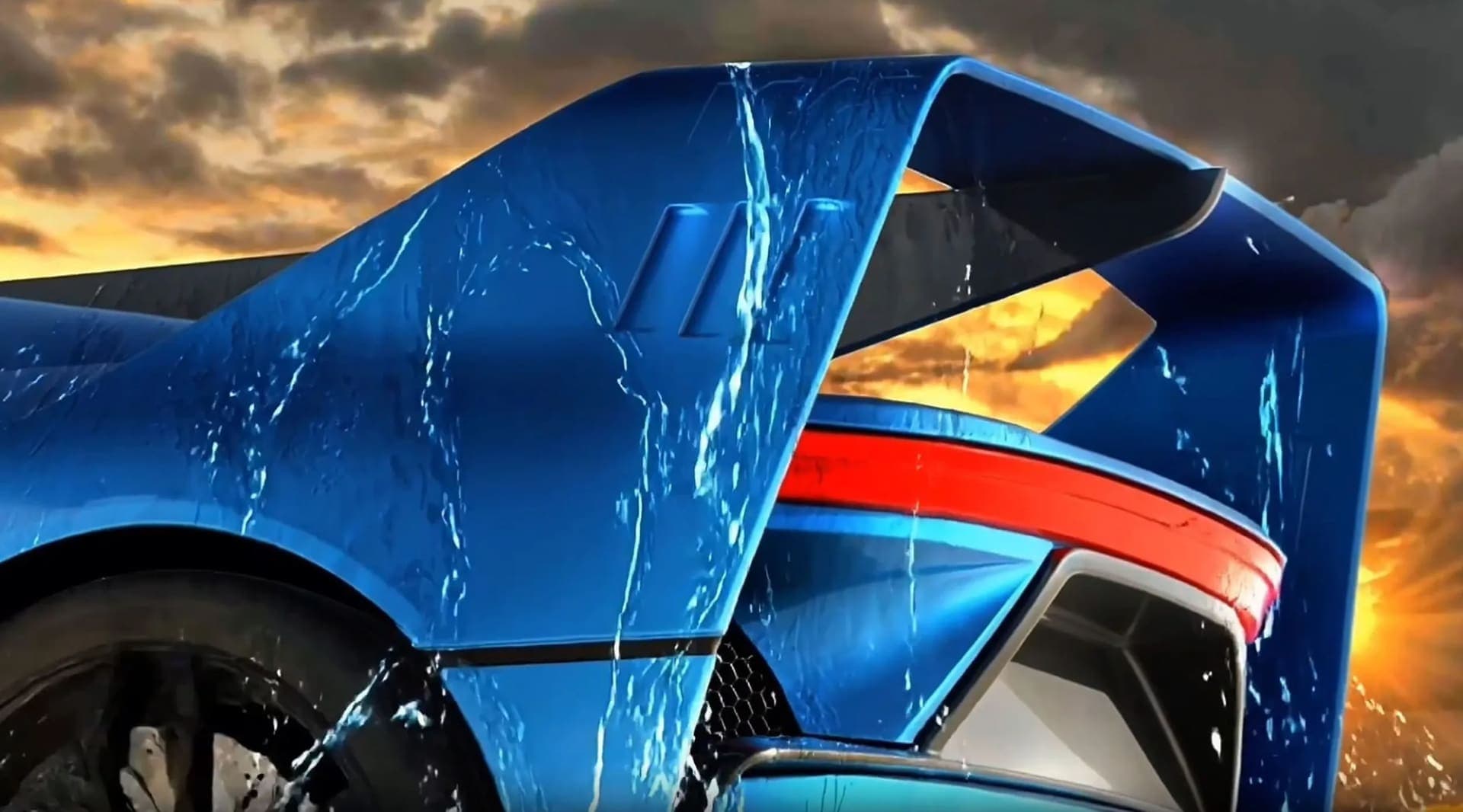
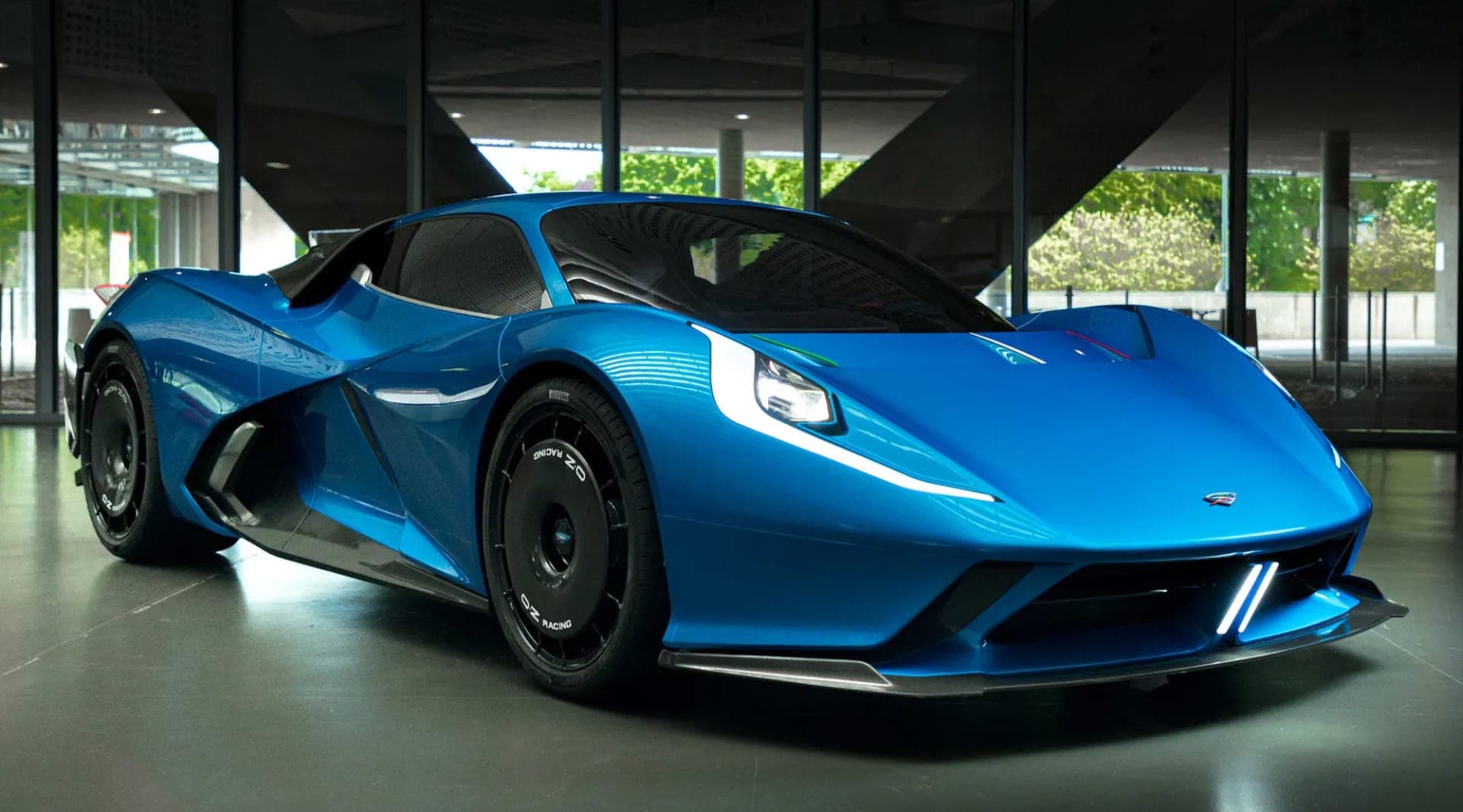
Automobili Estrema's Fulminea is a four-motor, all-wheel-drive electric hypercar rated at 2,040 hp from a combined 1.5 MW, claiming 0 to 320 km/h in under ten seconds and a top speed past 350 km/h. Just 61 will be built, at €1.96 million before tax, if the car actually reaches the 61 buyers who would need to pay for it.
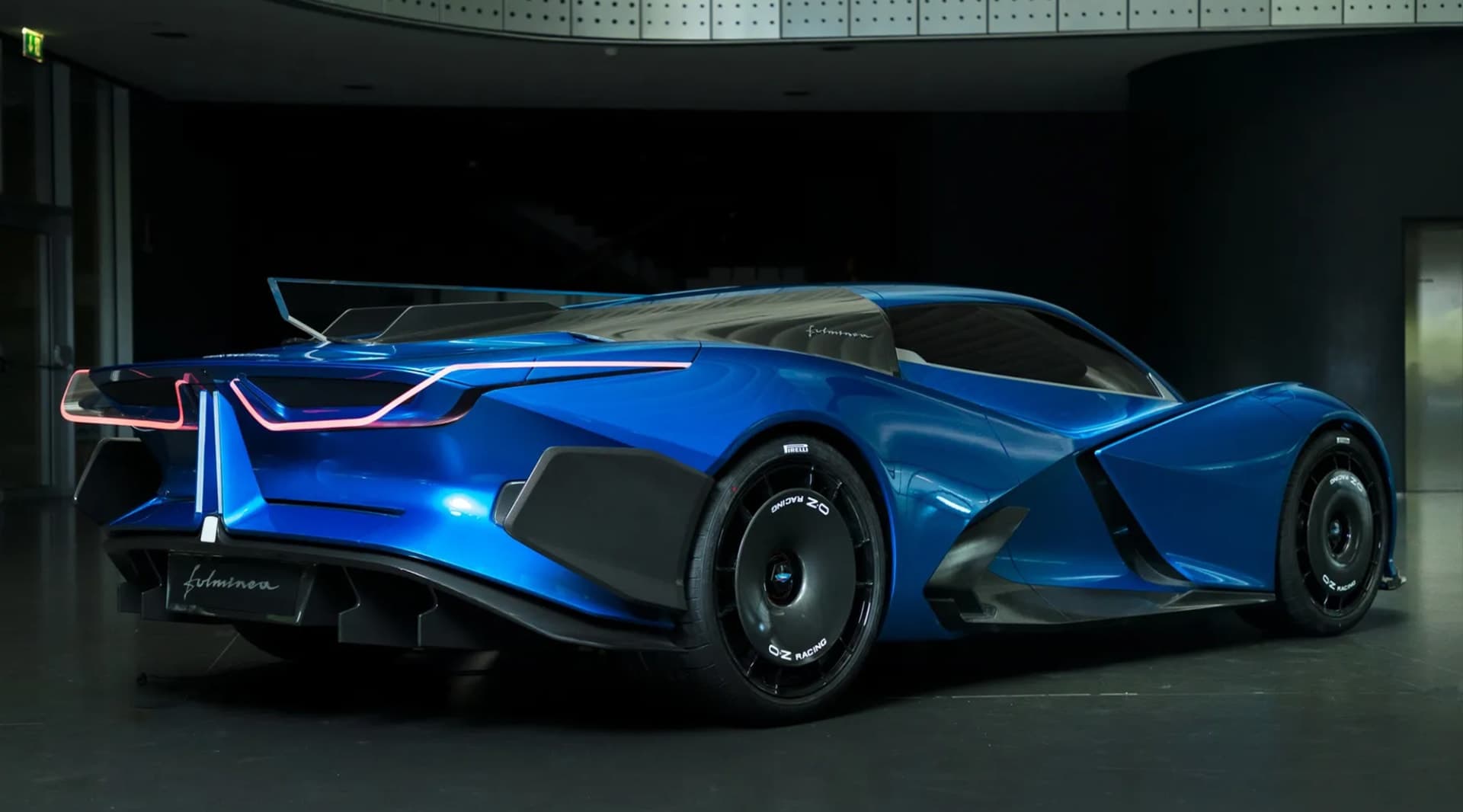
The numbers, if they hold up
A carbon fibre monocoque carries a hybrid battery pack combining solid-electrolyte cells and ultracapacitors, weighing around 300 kg within a claimed total kerb weight near 1,500 kg. Estrema quotes an energy density of 500 Wh/kg, a WLTP range beyond 520 km that the source reporting it called "highly ambitious," and a 10 to 80 percent charge in under 15 minutes. Four motors, one per wheel, handle torque vectoring, and the styling comes from EPTA Design, riding on OZ Racing wheels with Bridgestone tyres. Every one of these figures is a manufacturer claim rather than an independently verified result.
A timeline that keeps slipping
Founder Gianfranco Pizzuto, a former Fisker Automotive employee, unveiled the Fulminea as a prototype in 2021. Deliveries were originally pencilled in for 2023, then pushed to 2024, then 2025. Estrema is still accepting orders now, with no firm delivery date attached. It is not the only startup chasing a 2,000-plus hp electric hypercar target on an ambitious timeline, and a four-year gap between unveiling and any actual handover is a pattern worth naming plainly rather than glossing over.
The partner list is real, even if the car is not yet
Estrema has lined up genuine, recognisable suppliers, including McLaren Applied, Bridgestone, OZ Racing, and battery specialist NablaFlow, alongside IMECAR and Upstream Security. That is not nothing, and it separates the Fulminea from a pure rendering with a press release attached. It does not, on its own, guarantee that 61 finished cars are coming.
AutoNext Take
Numbers this extreme, a 2,040 hp claim, a 1.96 million euro price, and a 520 km range from a battery that also needs to survive a ten-second sprint to 320 km/h, always deserve scrutiny before celebration, and five years of slipping delivery dates is exactly the kind of detail that earns that scrutiny rather than dismissing it. Real partners on the supplier list are a genuine point in Estrema's favour.
There is also a demand problem sitting underneath the delivery problem. The people with 1.96 million euro to spend on a hypercar mostly grew up with a Ferrari or a Lamborghini on the bedroom wall, not an electric one, and that missing emotional history shows up in real sales figures rather than just enthusiast grumbling. Even Rimac, the closest thing this segment has to an established name, has struggled to move its full allocation of electric hypercars. A five-year-late newcomer is not just chasing a delivery date, it is chasing a market that has not fully shown up yet, and that is the harder problem to solve.