EU's top court says countries can ban Waze and Coyote speed-trap warnings
A feature millions of drivers take for granted is now legally on the table
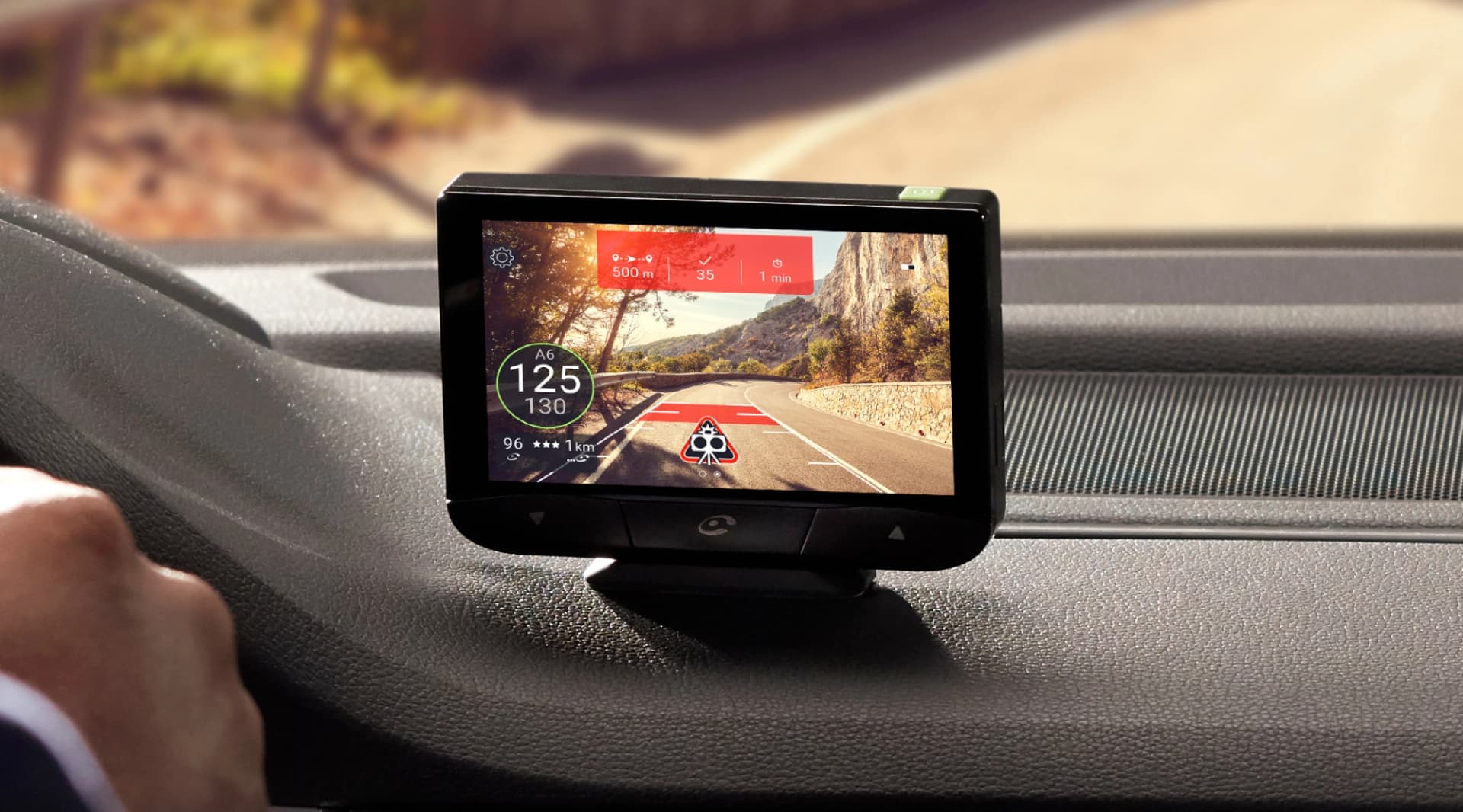
The European Court of Justice has ruled that EU member states are allowed to ban apps such as Waze and Coyote from passing on the location of certain traffic and police checks. For the millions of European drivers who rely on these alerts every day, it is a significant decision, and one that could change how navigation apps work depending on where you drive.
What the court actually decided
The ruling came in response to questions from France's Conseil d'Etat, the country's highest administrative court, in a case brought by Coyote System. France already allows authorities to forbid geolocation driver-assistance services from sharing the location of certain checks, and Coyote challenged that as a breach of EU free-movement rules. The Court of Justice disagreed. It confirmed that a member state can impose such a ban to protect public order and safety, even on a service based in another EU country, as long as the measure is proportionate and targeted.
There is an important condition. Before acting, a country must normally ask the member state where the app is based to take its own measures, and must notify both that state and the European Commission of its plans, except in urgent cases. So this is not a blanket EU-wide ban. It is a confirmation that individual countries have the legal right to introduce one if they follow the proper process.
Why the algorithm matters
The court also addressed a defence these apps often rely on: the idea that they merely host information supplied by their users and are therefore not responsible for it. The judges rejected that argument in this context. A service that uses an algorithm to decide how, when and in what order user information is passed on is exercising control over that information, the court said, and so cannot claim the liability exemption that applies to pure hosting platforms. In other words, because Waze and Coyote actively curate and distribute the alerts, they are on the hook for them.
What it means for drivers
Nothing changes overnight. The ruling does not ban anything by itself, it simply confirms that member states are allowed to. France already restricts the reporting of certain checks, typically alcohol and drug controls or police operations rather than fixed speed cameras, and this decision strengthens its legal footing. The bigger question is whether other countries now feel emboldened to follow. If they do, the speed-check and police-check alerts that drivers across Europe treat as a standard navigation feature could quietly disappear in some markets, while remaining in others.
For the record, the same court ruling also dealt with a separate matter, confirming that member states may require age verification on pornographic websites. The two cases were joined because they raised the same underlying question about which country's rules apply to online services, but it is the traffic-alert half that matters to drivers.
AutoNext Take
This is a genuinely awkward one, because both sides have a point. Warning drivers about a fixed speed camera arguably encourages safer driving exactly where it is needed, but flagging a live alcohol checkpoint or a mobile police operation does the opposite, letting the people those checks are designed to catch simply route around them. The court has not banned anything, it has handed each country a tool and left them to decide how to use it. Expect a messy patchwork: a navigation feature that works fine on one side of a border and goes quiet on the other. For a continent that prides itself on free movement, that is an oddly fitting outcome.