F1 is going back to Sepang, and it is keeping the Bahrain name on the race
One of the great circuits returns, under someone else's name
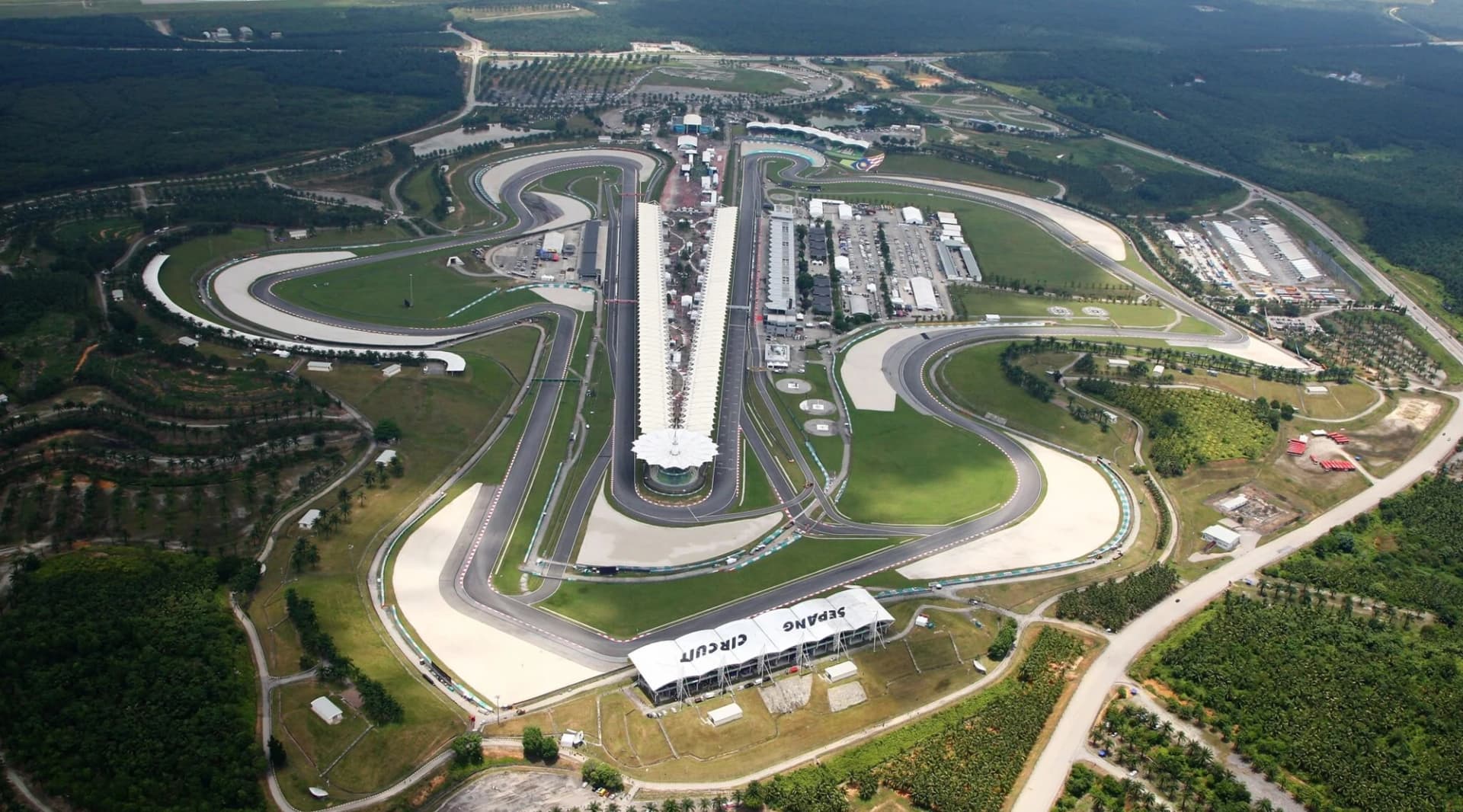
Sepang is one of the modern classics, a proper Tilke circuit with long straights, fast corners and weather that can rewrite a race in minutes. Formula 1 has not visited since 2017, and it is going back this year. The catch is the reason: it returns not as the Malaysian Grand Prix but as host of the Bahrain Grand Prix, standing in for a race that could not happen where it was meant to.
What has been confirmed
Formula 1 and the FIA have confirmed that Sepang International Circuit will host a round on 2 to 4 October 2026, officially titled the Formula 1 Gulf Air Bahrain Grand Prix. It slots into the calendar between the Azerbaijan and Singapore Grands Prix, so the race happens, the points count, and the Bahrain branding stays on it.
Why Malaysia, and why the Bahrain name
The short version is that instability in the Middle East led to both the Bahrain and Saudi Arabian rounds being called off, leaving a hole in the schedule. Keeping the Bahrain title on the replacement event preserves Bahrain's place on the calendar and its contractual slot while another venue physically runs the race. F1 framed it as a collaborative arrangement between the two countries, and the official statements from both sides leaned on the partnership rather than the circumstances behind it.
Why Sepang specifically
Geography did most of the deciding. Sepang sits about 300 km from Singapore, so it fits neatly into a run east in late September and October, and Azerbaijan has been moved to a Saturday to ease the logistics of what becomes a triple-header from Baku through to Singapore. A ready-made grade-one circuit that can be slotted in at short notice is not easy to find, and Sepang is one of the few that qualifies.
The history
Sepang hosted Formula 1 every year from 1999 to 2017 before dropping off the calendar over falling ticket sales, declining television numbers and a dispute with Formula One Management over financial terms. It leaves a strong record behind it: Sebastian Vettel holds the most wins there with four, Fernando Alonso leads the current drivers with three, and Max Verstappen won the final running in 2017. Ten drivers on the current grid have raced there before.
What it means for fans
Whatever the reason, a genuinely loved circuit is back on the calendar, and that is worth something. Sepang produced some of the best races of its era precisely because its length, its layout and its tropical downpours made results hard to predict. For a championship that can feel processional on tighter modern tracks, its return is good news on pure sporting grounds.
AutoNext Take
There is something faintly absurd about a Bahrain Grand Prix held four thousand miles from Bahrain, and it is worth being honest that this is a commercial and contractual fix as much as a sporting one. The name stays because the deal stays, not because it makes geographical sense. But set that aside and the outcome is genuinely good: a race that would otherwise have been lost is saved, and it is saved by bringing back one of the finest circuits F1 ever walked away from.
It also underlines how differently Formula 1 now operates. A decade ago a cancelled race simply vanished from the schedule. Now the sport reshuffles continents at a few months' notice, moves a grand prix to a Saturday to make the freight work, and keeps the calendar intact. That flexibility is impressive, even if the events forcing it are not something to celebrate.