Ferrari's one-off CZ26 blends the face of its EV with the tail of a V12
Pebble Beach was full of one-offs. This is the one that shows how it should be done
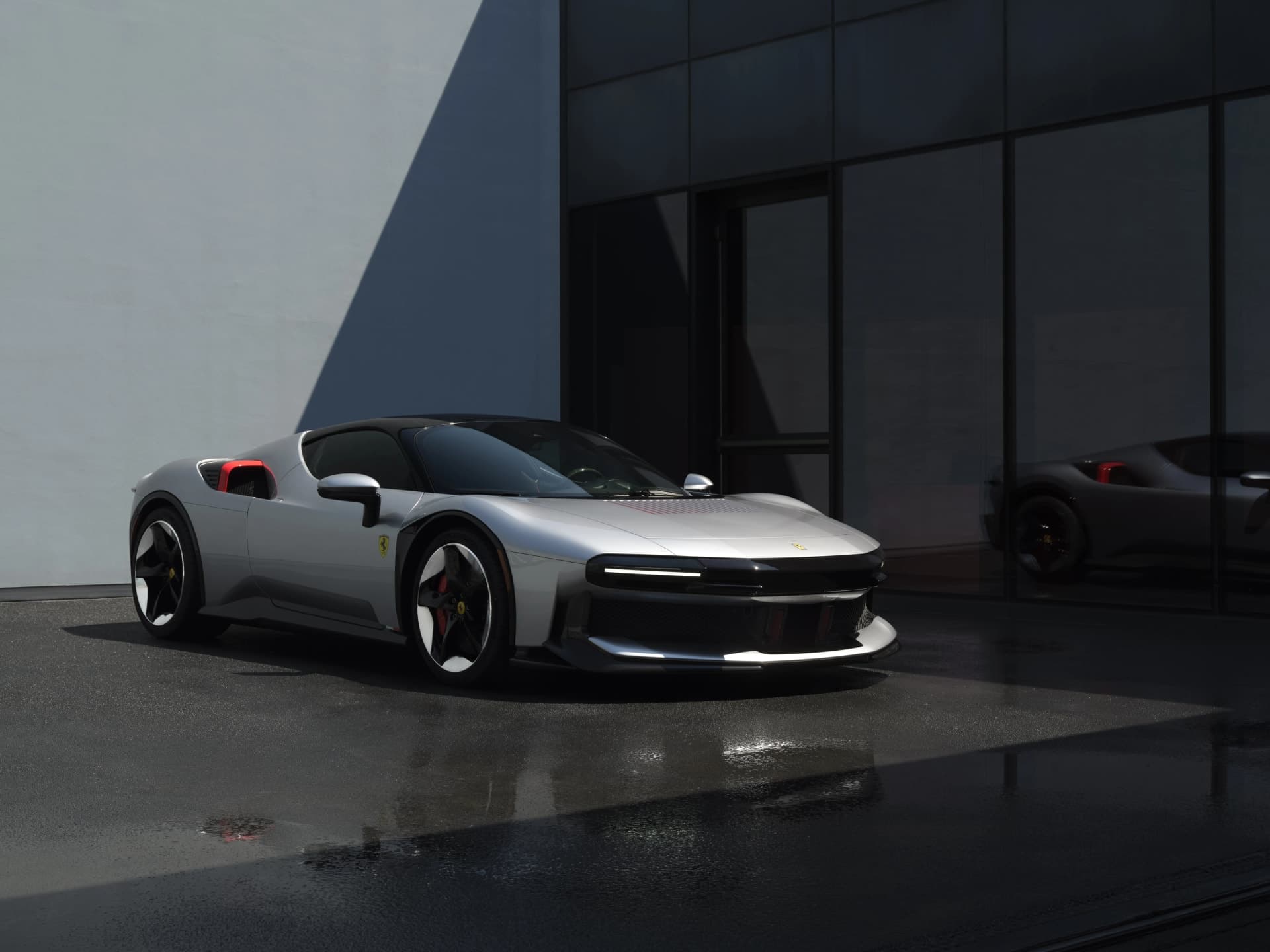
Monterey Car Week has become a festival of one-of-one supercars, and they are not all created equal. Some are aftermarket tuners reworking someone else's design; some are dealer commissions. The Ferrari CZ26 is neither. It is a one-off built by Ferrari's own Special Projects programme, drawn by the same in-house studio that shapes every production Ferrari, for a single American client. It is bespoke with the authority of the original author, and it makes almost everything else at Pebble Beach look like decoration.
What the CZ26 is
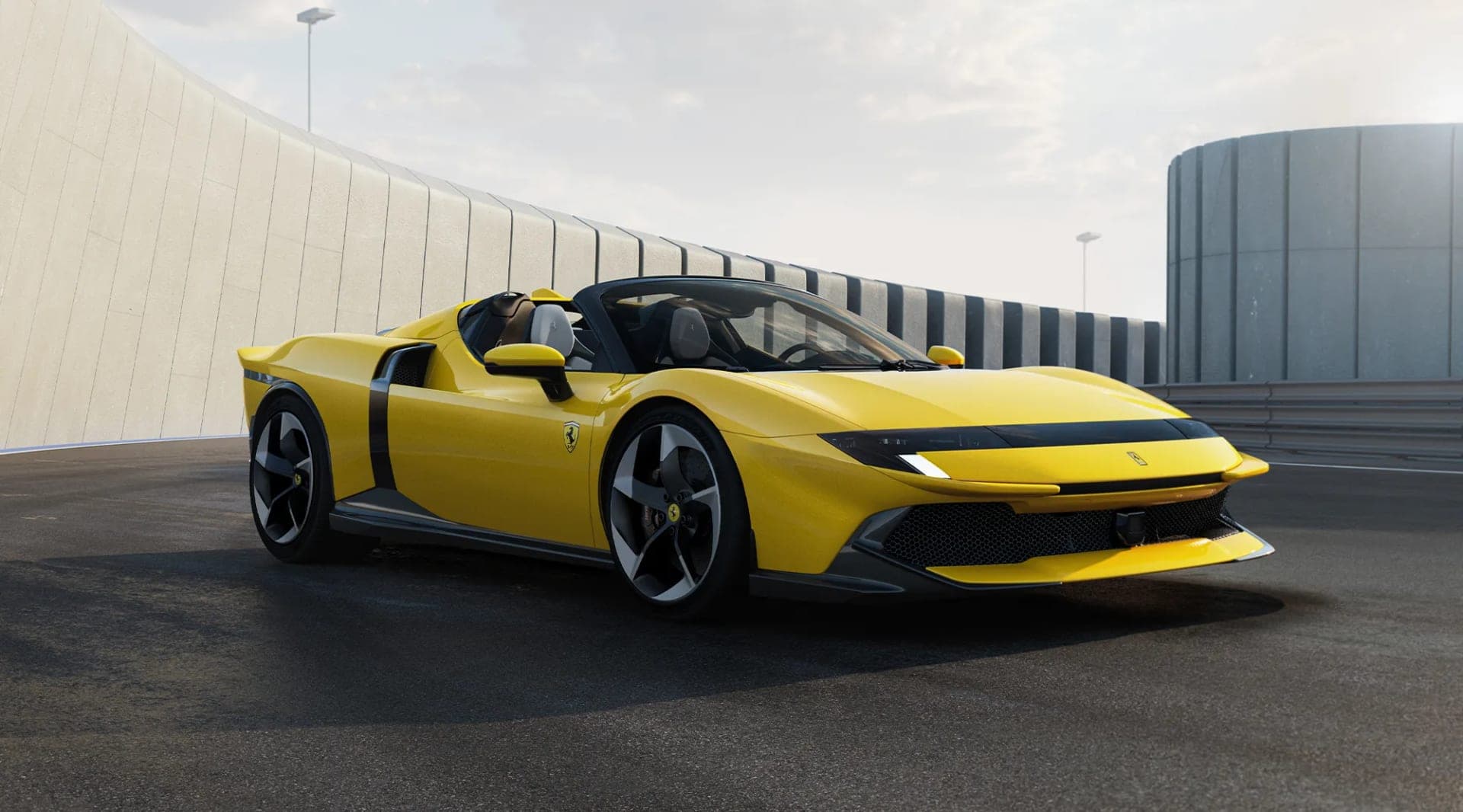
Beneath the bespoke skin sits an SF90 Stradale, which means Ferrari's 4.0-litre twin-turbo V8 plug-in hybrid producing around 1,000 hp, driving through an eight-speed dual-clutch gearbox for a 0 to 100 km/h time of roughly 2.5 seconds and a top speed near 330 km/h. But the CZ26 looks like no other Ferrari, because its bodywork is entirely its own. The front, with a full-width functional grille and slim LED lights, borrows from the Luce, Ferrari's first electric car; the rear, with quad LED tail lights, echoes the V12 12Cilindri. Bespoke two-tone wheels finish it off. It was designed by the Ferrari Design Studio and unveiled at Pebble Beach.
Bespoke, done by the people who own the pencil
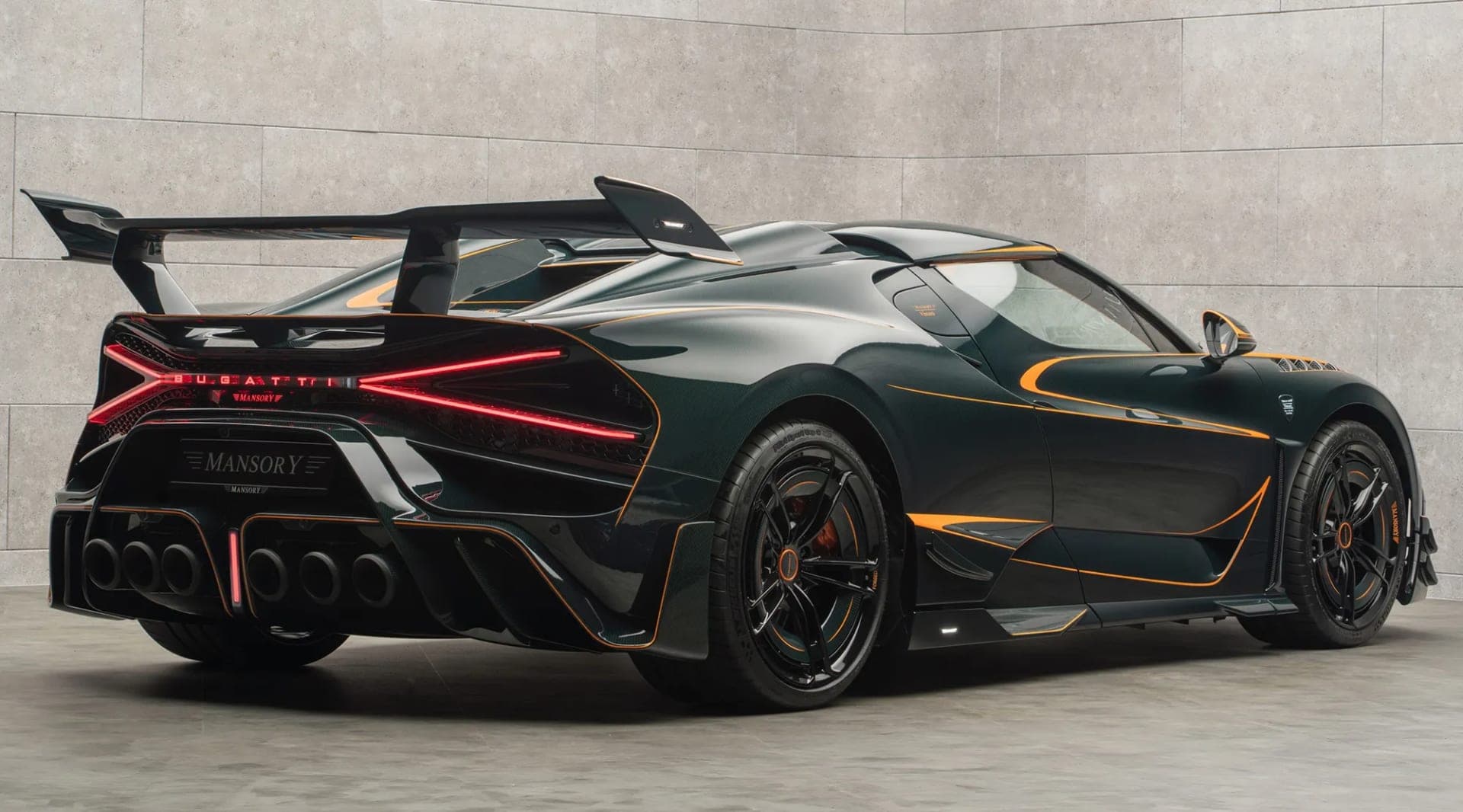
This is the distinction that matters, and Pebble Beach has just served up the perfect contrast. Days after Mansory reworked a Bugatti Mistral into a one-off, an aftermarket house imposing its own taste on someone else's masterpiece, Ferrari has shown the opposite model. A Special Projects car is designed by the same studio responsible for every production Ferrari, working within the brand's own design language rather than bolting things onto it. The result is a coherence that outside money, however well spent, can never quite buy. Both are one-offs; only one is drawn by the hand that created the original in the first place, and it shows in every line.
The rare tribute that looks forward, not back
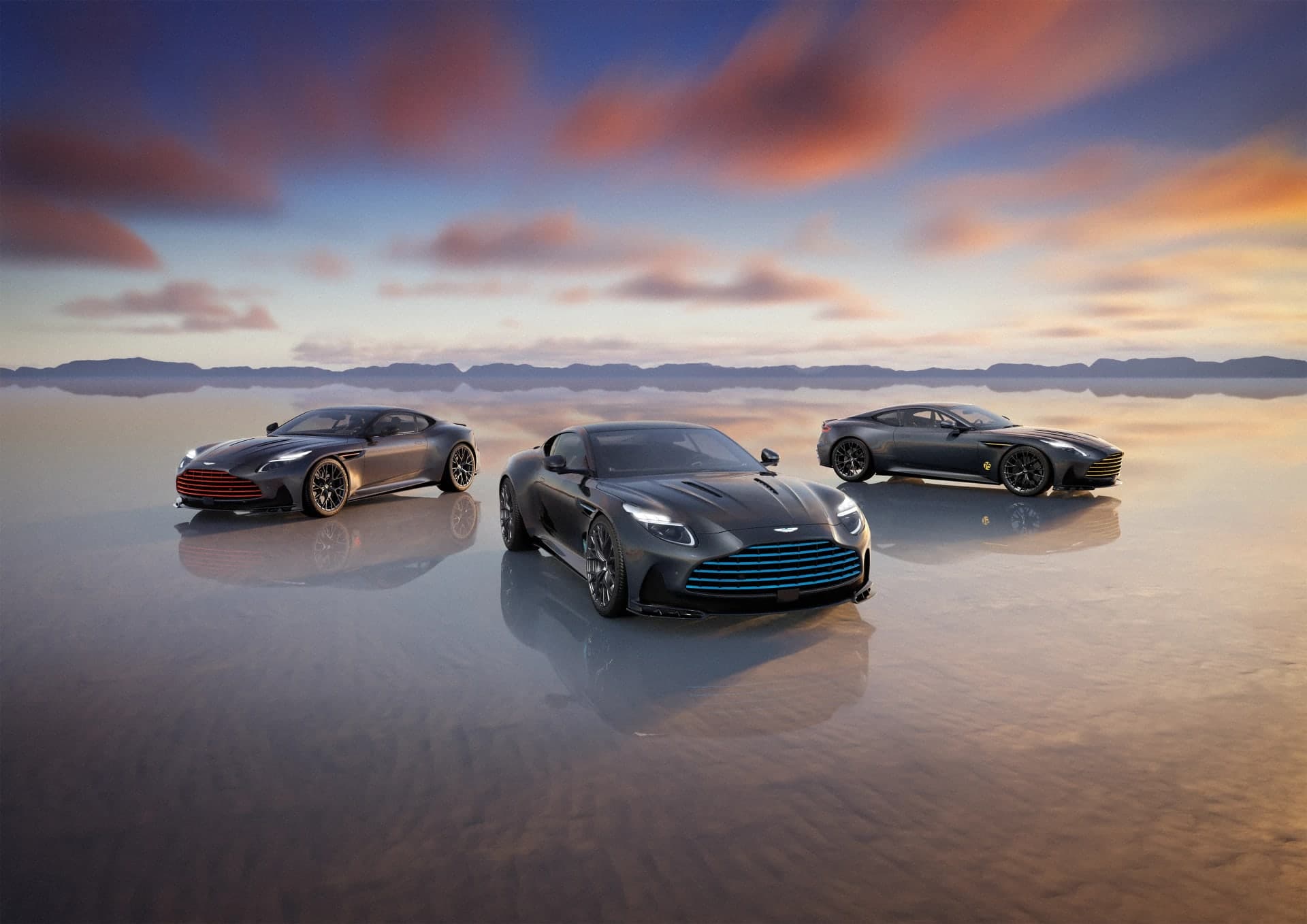
There is a second thing that sets the CZ26 apart from the week's other one-offs. Almost all of them mined the past, Aston Martin honoured its 1951 Le Mans racers, others revived aborted projects or reborn legends. The CZ26 does the opposite. It remixes Ferrari's newest cars, wearing the face of the brand's first EV and the tail of its latest V12, a hybrid stitched visually from the electric future and the combustion present at once. In a field obsessed with heritage, a bespoke Ferrari that looks resolutely forward, and quite deliberately puts an EV's design DNA on a hybrid supercar, is a quietly telling statement about where Ferrari thinks its future beauty lies.
Why Special Projects matters to Ferrari
There is hard business logic under the romance, too. One-offs like the CZ26 sit at the very top of Ferrari's personalisation pyramid, the same engine that has driven the company to record profits on bespoke work rather than volume. They are enormously profitable, they bind Ferrari's most valuable clients ever closer, and they let the design studio experiment in public. It is the factory-blessed, industrial-strength version of the personal expression we saw when Bugatti's own design boss built himself a one-off Veyron, except here the client, not the designer, holds the brief, and Ferrari holds the pen.
AutoNext Take
In a week that has produced more one-offs than anyone can keep track of, the CZ26 is the one with the cleanest claim to being right. It is not a tuner's reinterpretation or a dealer's showpiece; it is the manufacturer itself, building a client a unique car from its own design language, with total authority over every surface. That coherence is the whole point, and it is exactly what money alone cannot manufacture.
It will not generate the outrage-clicks a wilder aftermarket build does, and it is not trying to. It looks forward instead of back, borrowing from Ferrari's electric future rather than raiding its glorious past, which is a braver choice than it first appears. This is what bespoke looks like when the people who invented the language are the ones speaking it. Quietly, it is the most impressive one-off of the whole week.