Everyone is copying Ferrari's F1 aero, but its engine is still the problem
Ferrari is the car to copy in Formula 1 right now. It is also the car with a problem money cannot easily buy its way out of.
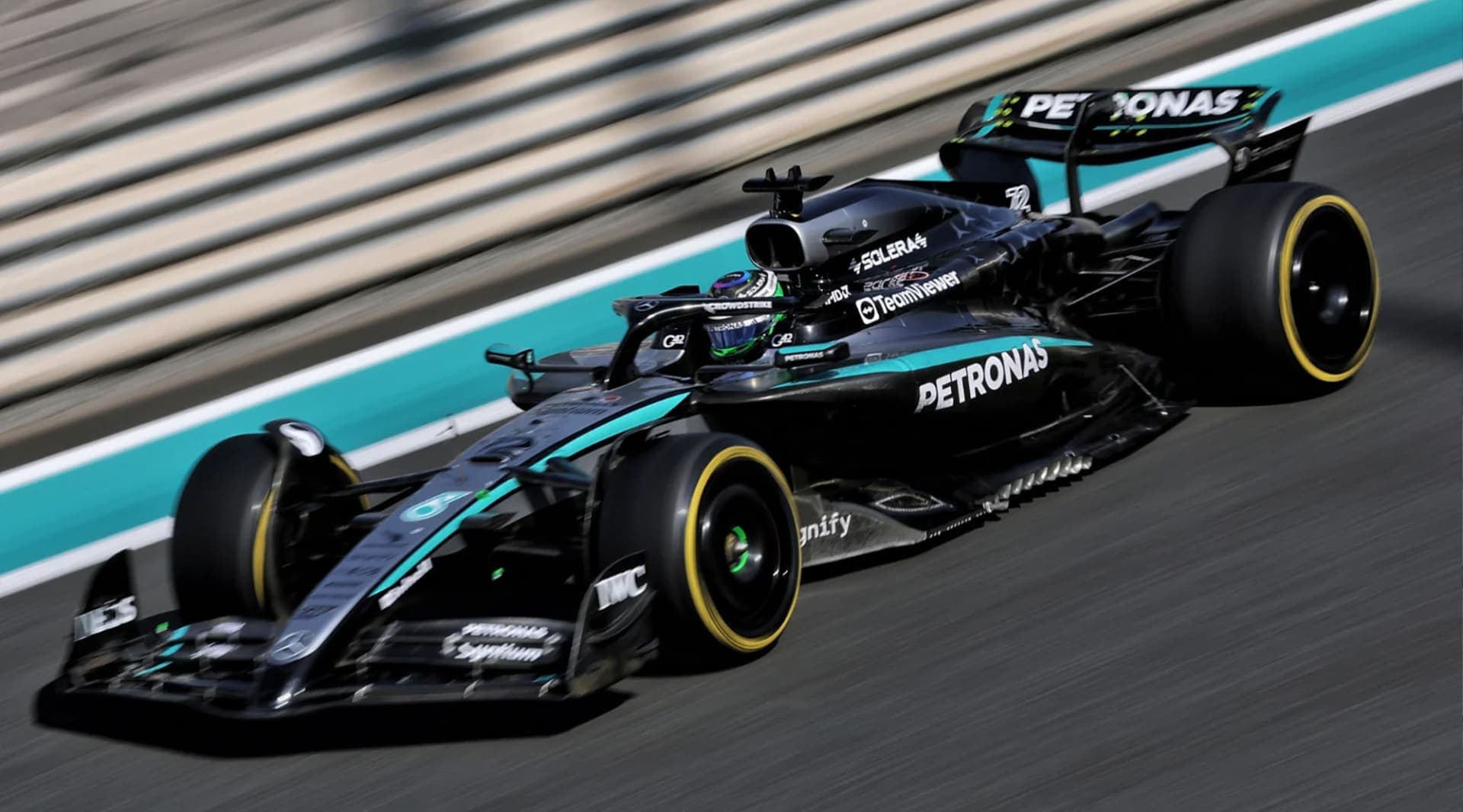
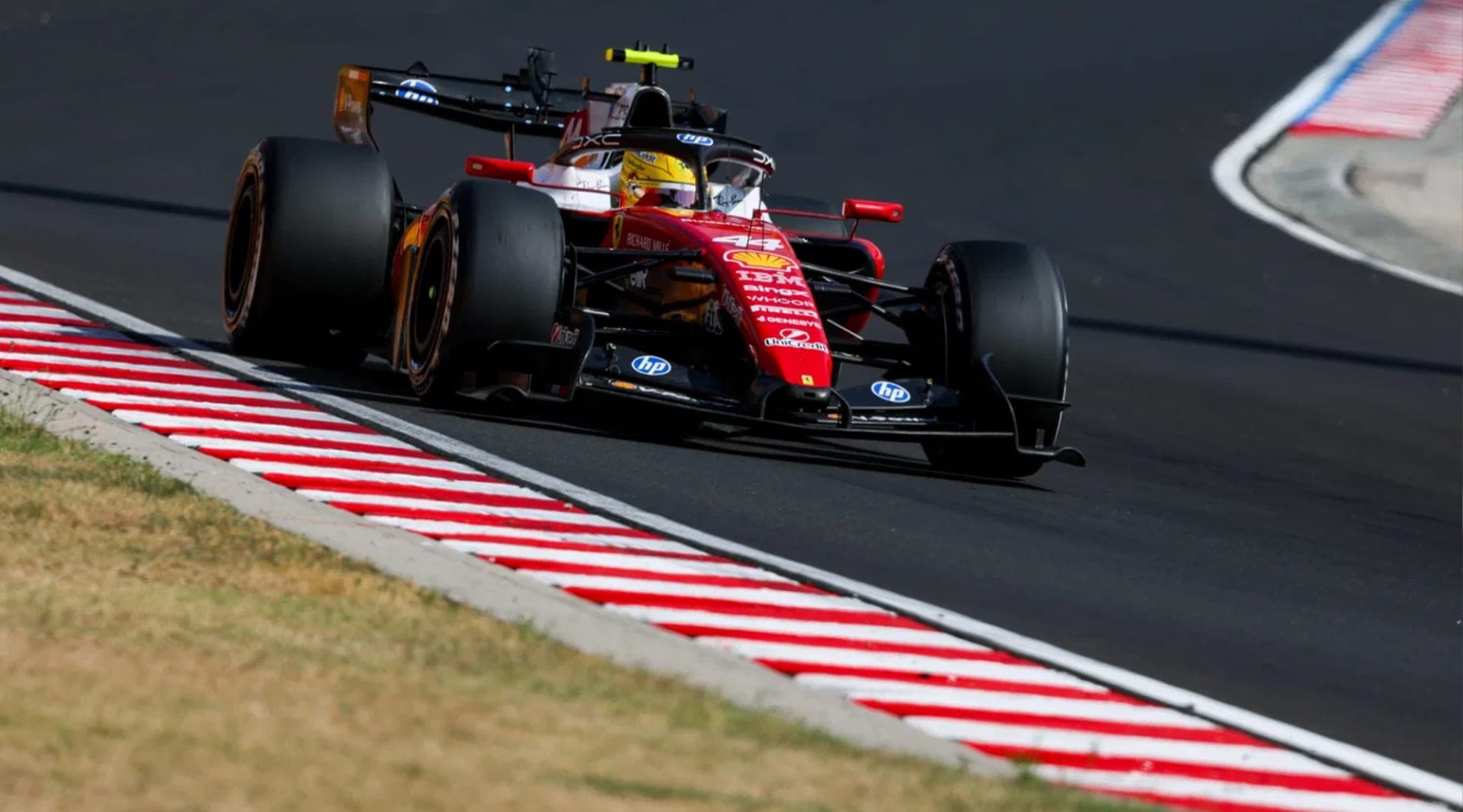
There is no clearer sign that you have built a good racing car than watching your rivals copy it, and Ferrari is currently getting that compliment from all directions. The SF-26 is widely regarded as the best chassis on the grid, and both Red Bull and McLaren have been busy borrowing its ideas. The catch, and it is a big one, is that the single part nobody can lift from Ferrari is the one holding it back, because the team's weakness is its engine, and the rules make that very hard to fix mid-season.
The car everyone wants to copy
Ferrari's aerodynamicists have produced the two most-copied ideas in the pit lane. The first is an exhaust winglet, nicknamed Flick Tail Mode, a small wing mounted behind the exhaust that adds rear downforce for very little drag. It has been widely imitated but is genuinely hard to reverse-engineer, because Ferrari baked it into the whole architecture of the car rather than bolting it on, and it has been effective enough that the FIA has already moved to ban it for 2027. The second is a rotating rear wing, unofficially the Macarena wing, that flips 180 degrees between its cornering and straight-line settings, and both Red Bull and McLaren have adopted or trialled the concept.
Fred Vasseur, Ferrari's team principal, is understandably pleased. He called the rival copying “a good reward” for the people who came up with the ideas, while making the point that matters most to him plainly: compliments are nice, but winning races is the currency he actually cares about.
The problem they cannot copy
That is where the story turns. For all the praise the chassis attracts, Ferrari sits second in the constructors' championship rather than first, and the reason is under the engine cover. The power unit is the SF-26's clear weakness, and while Leclerc and Hamilton have each taken race wins, the engine deficit is the thing standing between a very good car and a dominant one. Rivals can copy an exhaust winglet. They cannot hand Ferrari a better engine, and Ferrari cannot simply build one in the middle of a season.
Why the engine is so hard to fix
This is where ADUO comes in, the mechanism meant to let power unit manufacturers catch up. It gives them budget headroom and a limited allowance to improve otherwise-frozen engine parts, on a sliding scale tied to how their V6 ranks, so the weakest engines are supposed to get the most room to develop. As we covered when the FIA admitted the system has flaws, it has not worked cleanly, and Red Bull, sitting at the top of the rankings, gets no allowance at all.
Vasseur has now spelled out why even the teams that qualify for help are not transformed by it. Introducing a new engine specification, he explained, is enormously expensive, because changing one component forces changes to almost everything around it, and every upgrade means building fresh spare engines for every race. The result is that ADUO, for all its intent, has not been a game-changer. Some manufacturers, including Audi and Honda, are choosing to defer their upgrades to 2027 rather than spend both their tokens now. Ferrari is pressing ahead with a second engine update at Monza, but nobody should expect it to rewrite the order.
So Ferrari keeps pushing everything else
What Ferrari can control, it is developing relentlessly. Rather than the big, occasional upgrade packages some rivals favour, the team brings small, incremental improvements to almost every race, alternating mechanical and aerodynamic changes to match its wind tunnel and production capacity. Vasseur insists there is no cost-cap problem with this approach, that it adds up to a similar total development budget as a rival like McLaren spread differently, and that Ferrari will keep pushing right to the season finale. With 11 races still to run, in a season Kimi Antonelli has been leading, a car this strong is worth developing hard.
AutoNext Take
Ferrari has done the difficult part and is stuck on the impossible one. Designing the best chassis on the grid, the car everyone else is studying and copying, is a genuine achievement and a sign the technical department is in excellent shape. The frustration is that Formula 1's rules make the one area Ferrari needs to improve, the engine, the hardest and most expensive thing to change once the season is under way, which is exactly why ADUO exists and exactly why it has done so little.
So the copying is flattering, and Vasseur is right to enjoy it, but he is also right that it means very little without wins. Ferrari can keep bolting on clever aero and squeezing what it can from the engine at Monza, yet the real answer does not arrive until the new power unit rules in 2027 give everyone a clean sheet. Until then, Ferrari is in the strange position of building the car the whole grid wants to imitate, while quietly waiting for the one part it cannot fix to stop costing it the championship.