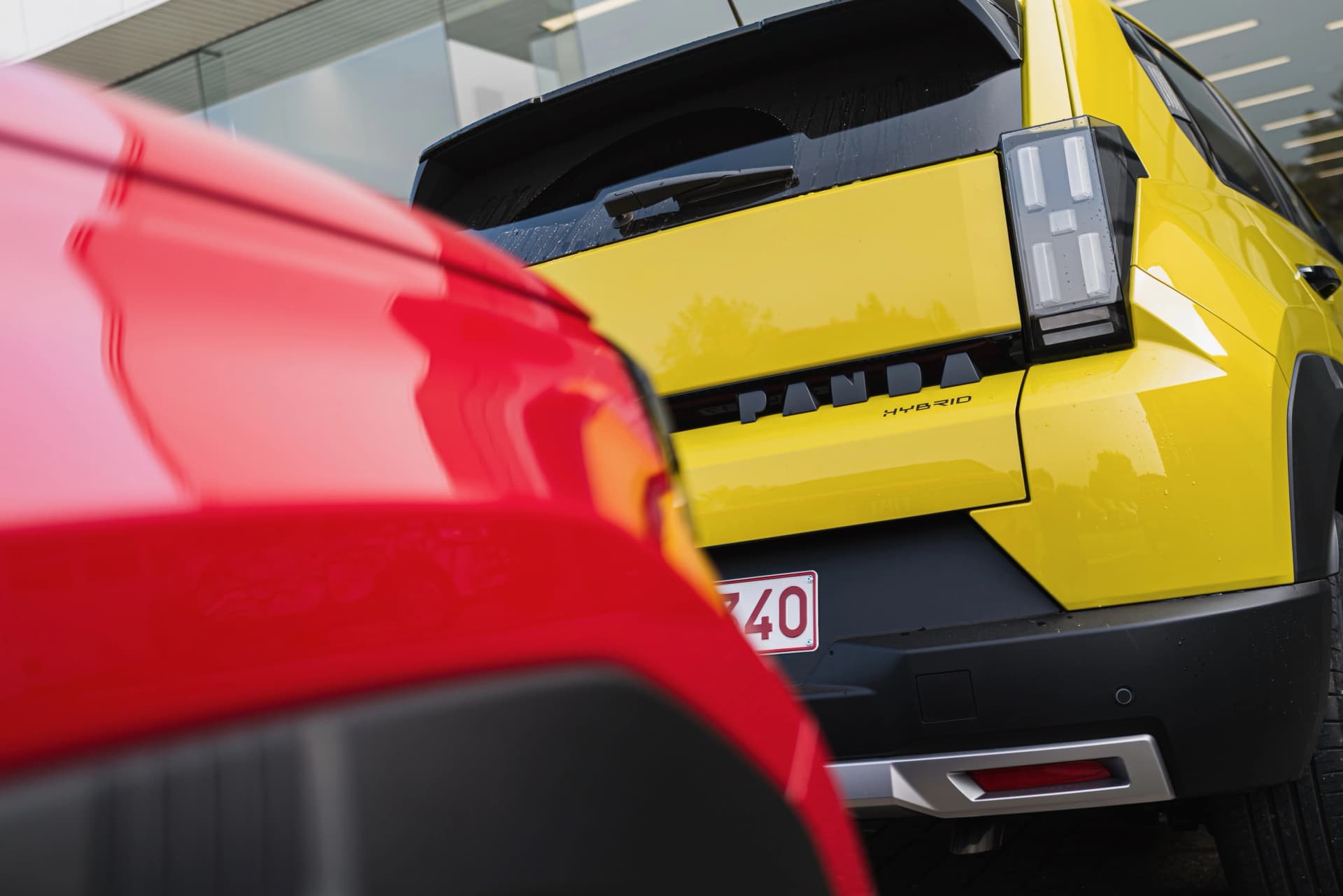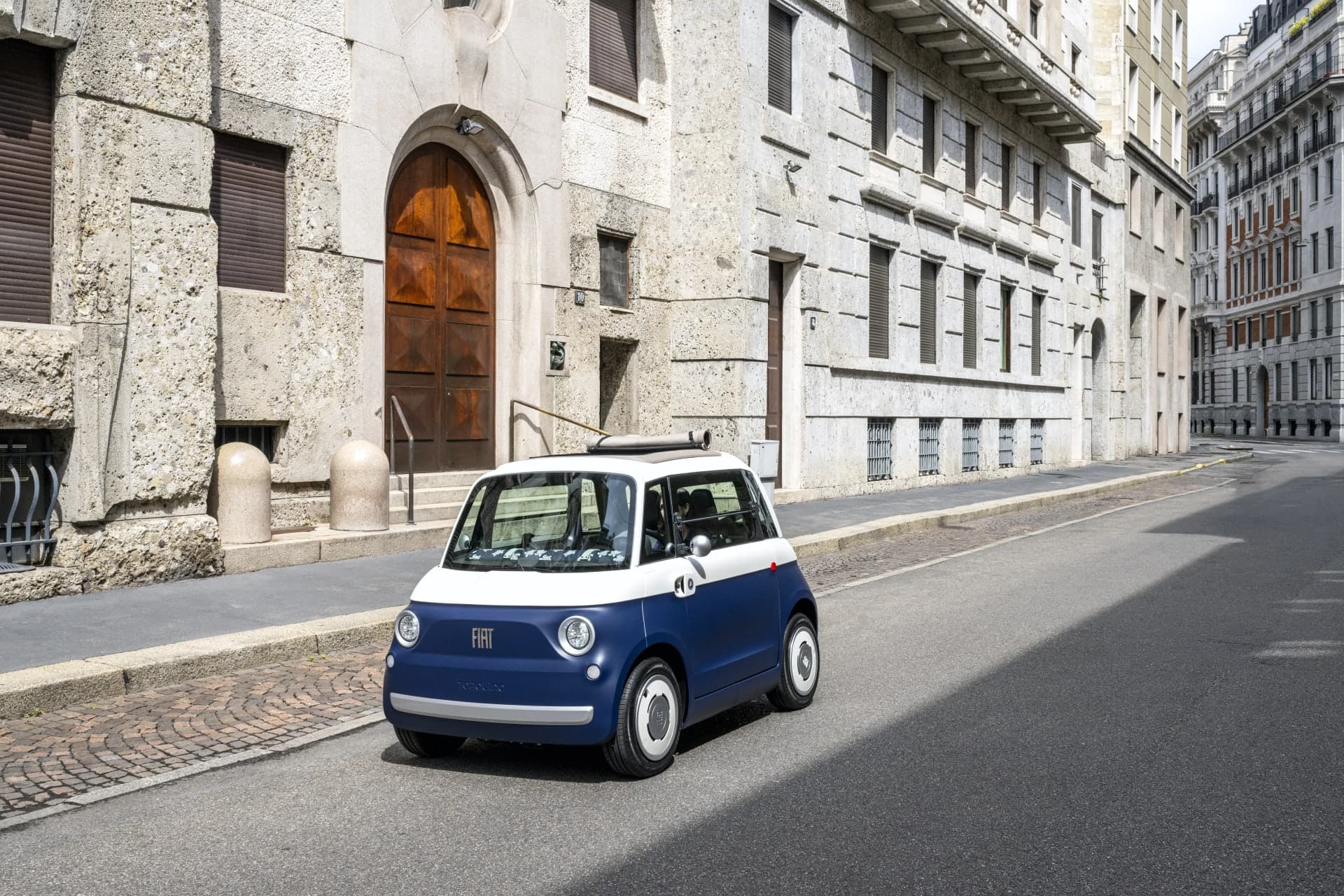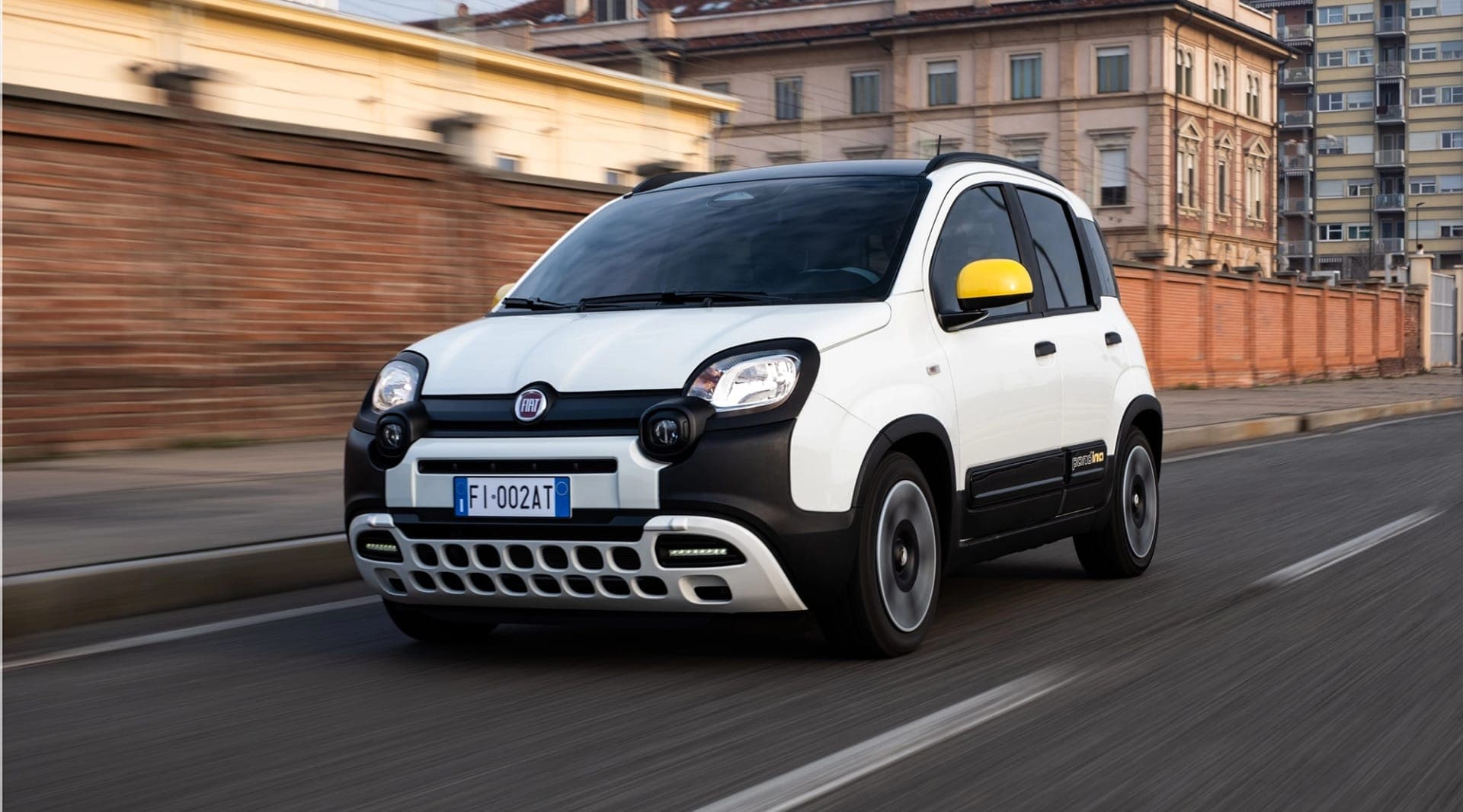
Fiat's 2012 Panda outsells the Grande Panda, but only in Italy
One in every fifteen new cars registered in Italy this year is a Panda
Fiat registered 71,312 Pandas in Italy between January and July, out of a national market of 1,060,175 cars. That is 6.7 percent of everything sold, by a hatchback whose platform dates to 2011. Its own replacement, the Grande Panda, managed 25,983 over the same seven months. Fiat is selling two Pandas at once, and the older one is setting the pace.
The Pandina leads Europe's A-segment on 81,638 registrations
Across Europe the Panda took 81,638 registrations to the end of July, against 46,687 for the Grande Panda, a gap of just under 75 percent in the older car's favour. Renamed Pandina for the 2026 model year and now sold only as a hybrid, it is still Fiat's A-segment leader in the EU29, and its volume is creeping up rather than fading. It is nowhere near Europe's outright best-sellers, but no other car from early 2012 is anywhere near it either.
Outside Italy, the Grande Panda outsells the Panda two to one
Strip Italy out of both totals and the picture inverts. The Panda is left with 10,326 registrations across the rest of Europe in seven months, against 20,704 for the Grande Panda. Italy accounts for 87 percent of everything the old car sells; for the new one it is 56 percent. The Panda is not a European best-seller with an Italian bias. It is an Italian habit that happens to be counted in European tables, and the Grande Panda is already the more European of the two.
A 2012 platform, hybrid only, and under 15,000 euros in Italy
The Pandina's case is price and familiarity. It still starts below 15,000 euros in Italy, it is built at Pomigliano d'Arco outside Naples, and Stellantis has committed to keeping it there until 2030. The segment around it has emptied out: the Citroen C1, Peugeot 108 and Volkswagen Up are all gone, and what has replaced them, the Dacia Spring, Leapmotor T03, Hyundai Inster and the new Renault Twingo, is electric and asks for more money up front.
The Grande Panda is built in Kragujevac, not Pomigliano
The Grande Panda comes from Serbia, not Italy, and it is a different proposition. It is a B-segment car, roughly 4.0 metres long, offered as a hybrid from just under 19,000 euros and as an EV below 25,000 euros, and Fiat has already worked on that price. Four thousand euros is a wide gap in this part of the market, and it goes a long way to explaining why the two cars sell to such different maps.
Fiat grew 21.7 percent in Europe in the first half of 2026
At brand level the double act is working. Fiat's EU29 registrations rose 21.7 percent in the first half of 2026 and its market share reached 3.3 percent, up 0.4 points, the strongest share gain of any core Stellantis brand. From 2028 Pomigliano switches to the STLA Small platform and two new compact models, one of them a new Panda, built alongside the revived Citroen 2CV. The Pandina is not being propped up. It is being harvested until the replacement line is ready.
AutoNext Take
It is tempting to read this as the old car beating the new one, and it is not. The Pandina's figures are one country's shopping reflex, built over fourteen years of being the default answer in every Italian showroom. Fiat has nothing comparable anywhere else, and the Grande Panda is not failing outside Italy so much as doing the job the Pandina never did.
So here is the number to watch when Pomigliano changes over in 2028. Not 71,312, but 10,326: the Panda's entire non-Italian business in seven months, and roughly half of what the Grande Panda already does outside Italy in the same period. If the next small Fiat cannot clear 10,326 beyond Italy in its first seven months on sale, the Panda will have finished its run as a domestic nameplate, whatever the European tables say.