France moves to scrap Low-Emission Zones, a turning point for the automotive industry?
The balance between environmental ambition and social reality is shifting.
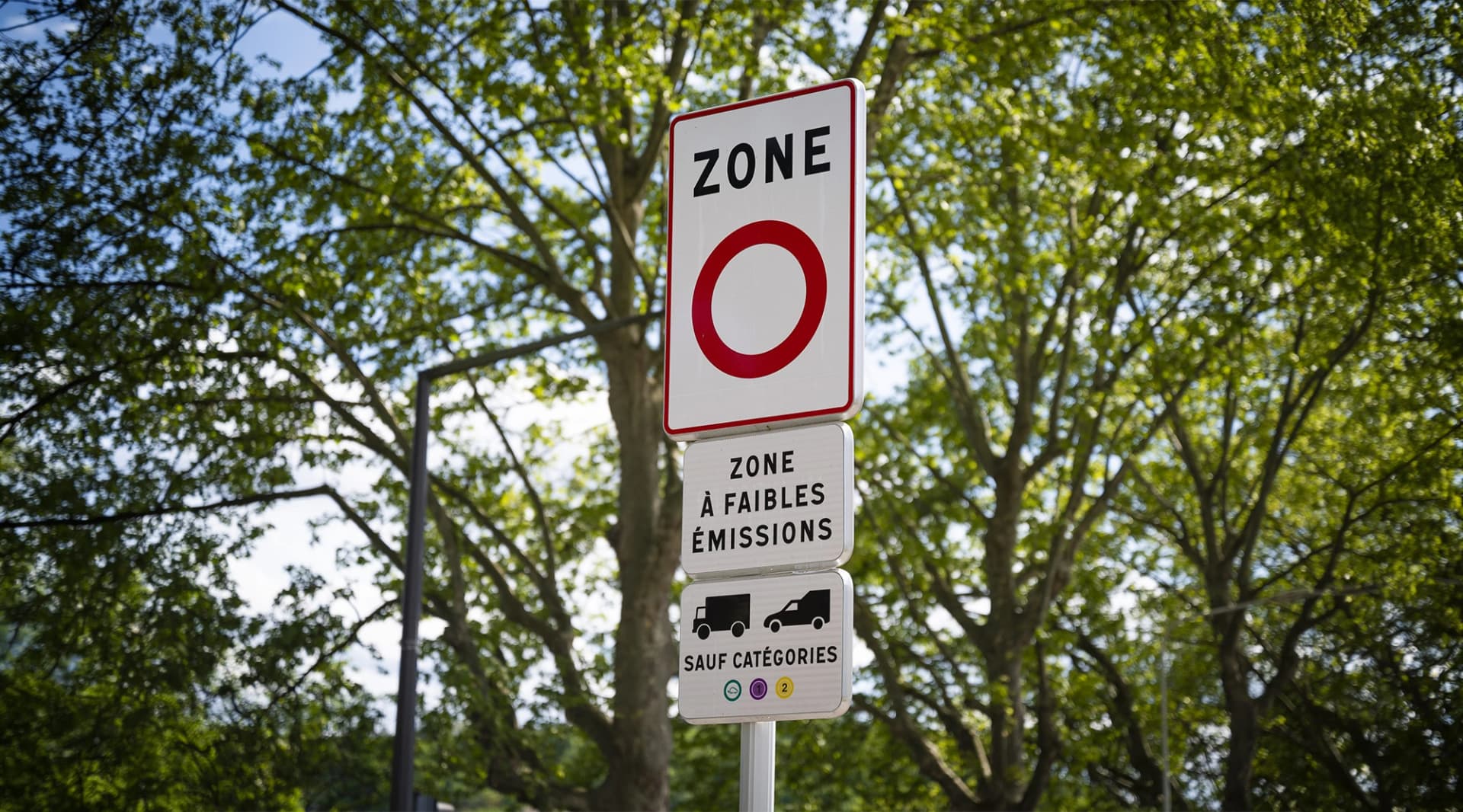
For years, they defined urban mobility across Europe. Now, one of the biggest automotive markets on the continent is preparing to hit pause. France has officially voted to abolish its low-emission zones, a decision that could allow nearly three million older, more polluting vehicles back into major cities. It’s not fully done yet, but the signal is loud and clear
The end of “sticker stress” or just the beginning of something bigger?
Since 2019, France’s “Zones à Faibles Émissions” (ZFE) have gradually reshaped how people move through cities like Paris and Lyon. Access wasn’t just about where you drove, but what you drove.
Vehicles were categorized through the now-infamous Crit’Air sticker system, ranking cars from clean electric models to older diesel engines. For millions of drivers, especially those crossing France on holiday or commuting into cities, it created confusion, friction… and increasingly, frustration. Now, that entire system is under threat.
The French parliament has approved a law that effectively removes these zones, framed as part of a broader push to simplify economic life. But the decision still faces one final hurdle: the Constitutional Council of France, which must validate whether the move aligns with the country’s constitution.
Three million cars back into cities
If the decision holds, the impact will be immediate. According to estimates, nearly three million vehicles (many previously banned due to emissions) could return to urban roads. That’s not just a policy tweak. That’s a structural shift in traffic, accessibility and air quality.
Supporters of LEZs argue the benefits are undeniable: cleaner air, fewer emissions, healthier cities. Critics counter with something equally real: exclusion.
Because for many households, especially outside major urban centres, upgrading to a newer or electric car simply isn’t financially viable. What was framed as an environmental measure increasingly became perceived as a socio-economic filter, favouring those who could afford to adapt.
This is bigger than France
This isn’t just about removing a sticker. It’s about a deeper tension we’ve been highlighting across multiple AutoNext stories, from rising fuel costs to the pressure on EV adoption: The automotive transition is moving faster than society can realistically follow.
We’ve seen governments pushing electrification, manufacturers investing billions in EV platforms, and cities tightening regulations. But on the ground, reality looks different. People keep their cars longer, costs are rising and the gap between policy and daily life is widening. France is simply the first major country to openly acknowledge that friction.
A political shift across the spectrum
What makes this decision even more striking is the coalition behind it. Support to scrap LEZs came from across the political spectrum, from right-wing parties like Les Républicains to far-right Rassemblement National and far-left La France Insoumise. That kind of alignment is rare.
And it suggests this isn’t a niche issue, it’s becoming a mainstream concern. Meanwhile, opposition from green and centrist groups highlights the other side of the equation: environmental progress versus accessibility.
Even if the Constitutional Council approves the decision, this won’t be the end of the story. Because cities still face:
air quality targets
EU regulations
growing urban congestion
Scrapping LEZs doesn’t remove those challenges, it just changes how they’ll be addressed. Expect alternative solutions to emerge: less restrictive zones, dynamic pricing, or new forms of mobility incentives.
AutoNext Take
France scrapping low-emission zones is not a step backwards. It’s a reality check. For years, the automotive industry (and policymakers) have pushed a vision of rapid transformation. Electrification, digitalisation, sustainability. All necessary.
But transformation without alignment creates resistance. And what we’re seeing now is the first real pushback at scale. If even a country like France starts reconsidering how far and how fast it can go, one thing becomes clear: The future of mobility won’t just be decided by technology but by what people can actually afford, accept, and live with.