Geely is entering Europe through the side door, and Emil Frey is holding it open
The most important Chinese car news this week is not a car
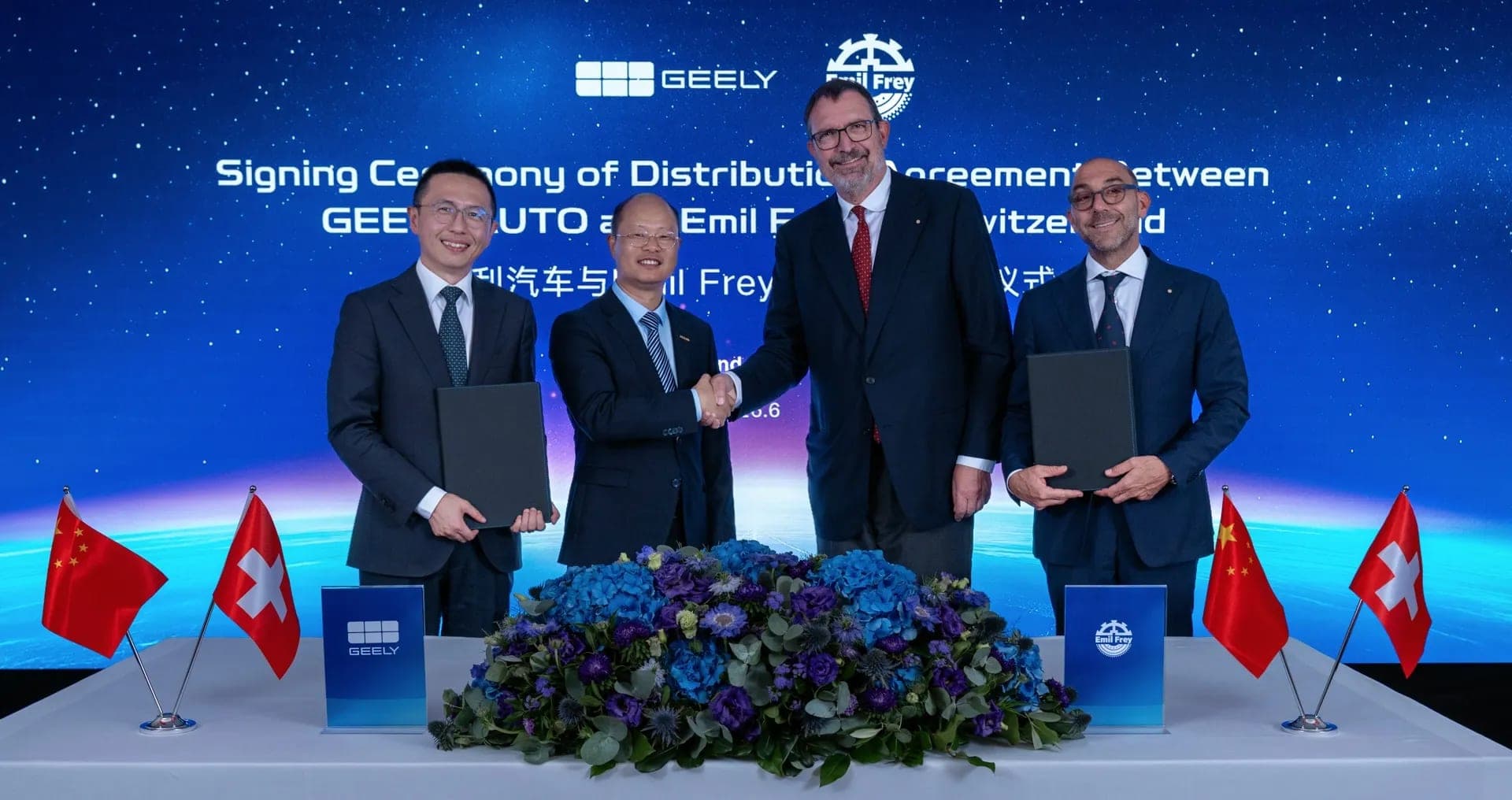
Geely has named Emil Frey as its official importer for Switzerland and Liechtenstein, with sales starting in the third quarter of 2026. On paper it is dry distribution news. In practice it is a small, precise illustration of how Chinese brands are really breaking into Europe: not by building networks from scratch or fighting the establishment, but by hiring it.
What the deal actually covers
The agreement puts the Geely brand itself, its volume marque, into Emil Frey's hands, launching with two SUVs: the fully electric Geely E5 and the Starray EM-i plug-in hybrid. Sales begin in the third quarter of 2026 across Switzerland and Liechtenstein. Crucially, this is not Emil Frey's first Geely-group assignment. It already distributes Zeekr and the Farizon commercial brand, so the Geely marque becomes the third arm of the same group it now carries into the market.
Emil Frey is exactly the establishment China is meant to threaten
This is the part worth sitting with. Emil Frey was founded in Zurich in 1924, is still family-owned, operates across 21 European countries and moves more than 600,000 vehicles a year. It is the definition of the old European motor trade, the incumbent that Chinese newcomers are supposedly here to disrupt. Instead, that incumbent is now the delivery mechanism for three of the newcomers' brands at once. The establishment is not resisting the Chinese arrival. It is profiting from it, and lending its name to it.
Why Switzerland, and why now
The choice of market is not an accident either. Switzerland sits outside the European Union, and therefore outside the bloc's steep tariffs on imported Chinese electric cars, giving Geely a wealthy, electrification-friendly European market to enter without the duty penalty its rivals face inside the EU. Pair that with a distributor that already has the showrooms, the servicing and the customer trust in place, and Geely gets a low-risk beachhead on the continent for a fraction of the cost and time of doing it alone.
The same playbook, everywhere you look
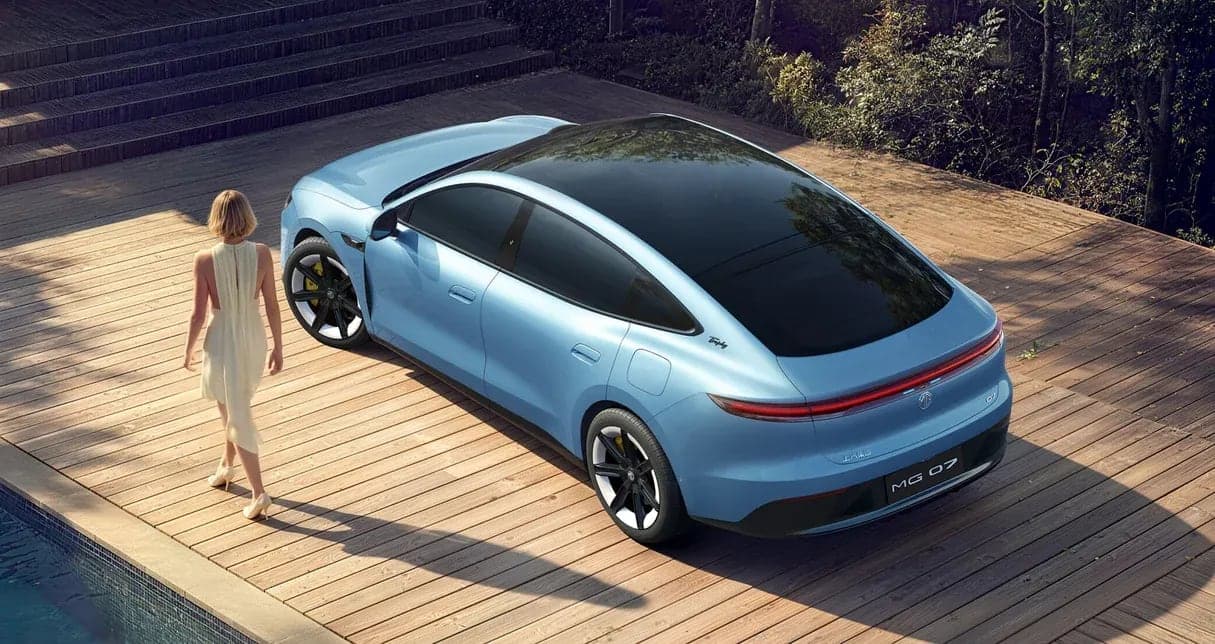
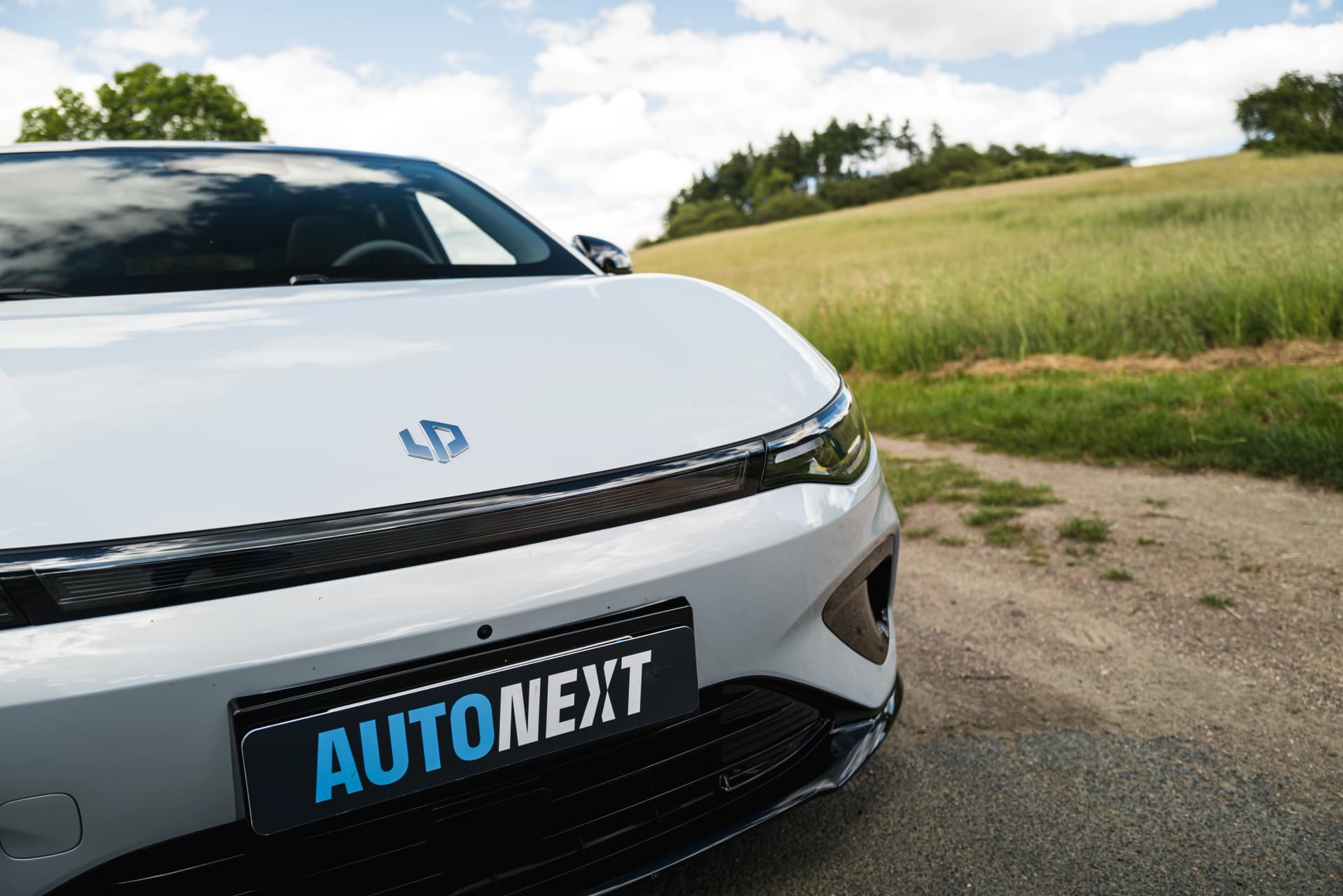
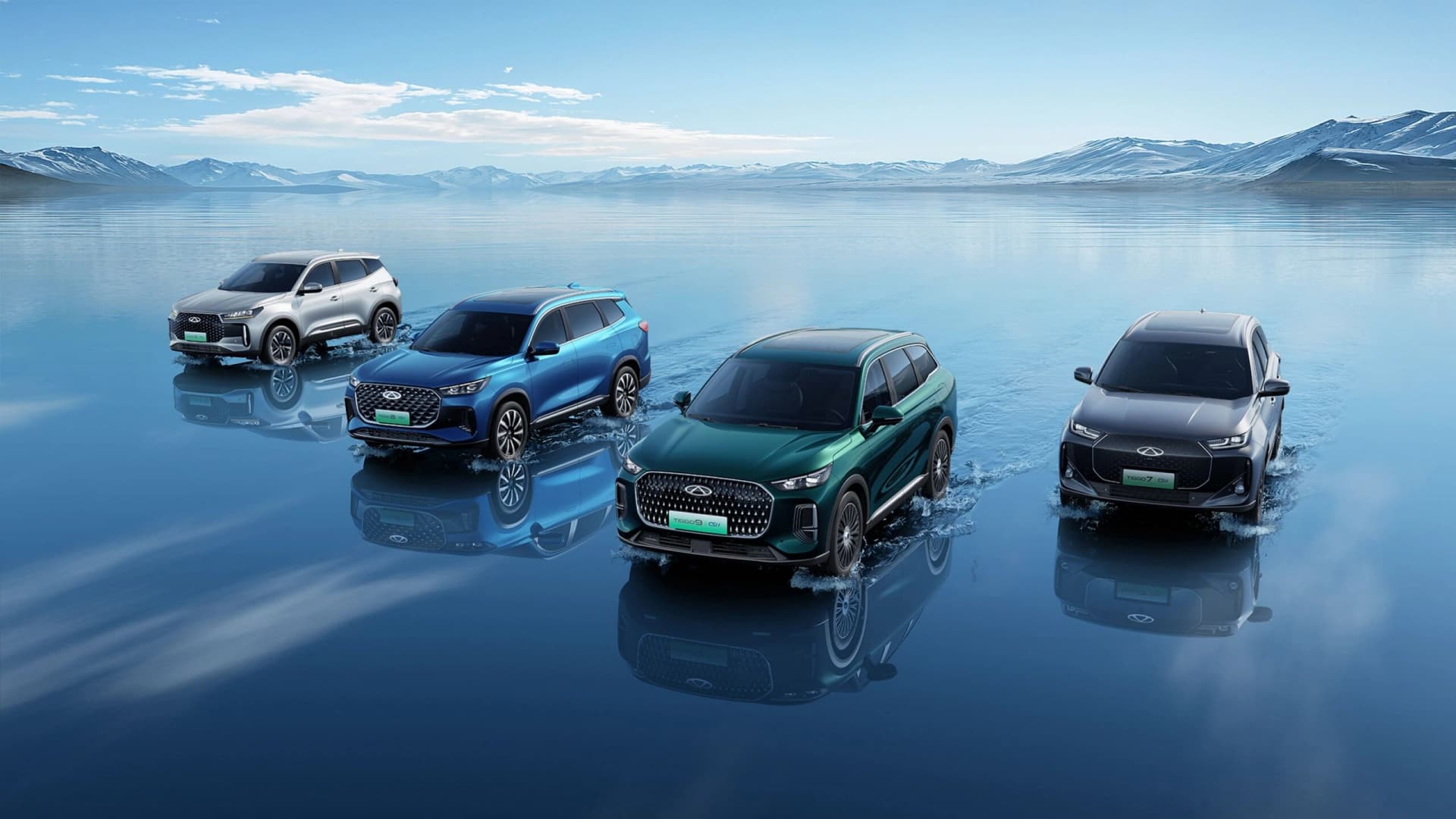
Once you see the pattern, it is everywhere. When Leapmotor outsold Porsche in Europe this year, it did so leaning on Stellantis' distribution muscle, not its own. Chery is plugging into local networks as it enters Belgium, and we argued the same thing about the MG 07, where the dealer list matters more than the design. Geely, whose own Galaxy TT shows how far its technology has come, clearly understands that the hardest part of Europe was never the engineering. It was the last hundred metres to the customer.
AutoNext Take
It is tempting to skip a story like this, because an importer appointment sounds like paperwork. But this is the actual front line of the Chinese arrival in Europe, and it looks nothing like the price war everyone was bracing for. Geely is not kicking the door down. A 102-year-old Swiss family firm is politely holding it open, in the one wealthy European market where the EU's tariffs do not reach.
That should worry the German and French incumbents far more than another cheap electric SUV does. A rival you can undercut is a problem you can eventually answer. A rival that has quietly rented your own continent's most trusted dealers, in the markets where your protections do not apply, is a much harder one. The cars will get the headlines. The contracts like this one are what actually decides it. Follow the importers, not the reveals.