Geely’s 2,2 L/100 km Hybrid changes the game and Europe should pay attention
Are hybrids the real endgame for mass adoption?
Every now and then, a number appears that forces the entire industry to pause. 2,2 L/100 km. That’s what Geely claims (and now officially backs with a Guinness-certified result) for its new i-HEV hybrid system. In a world obsessed with full electric vehicles, this isn’t just impressive. It’s disruptive. Because this isn’t about the future. This is about what works right now.
A hybrid that doesn’t play by old rules
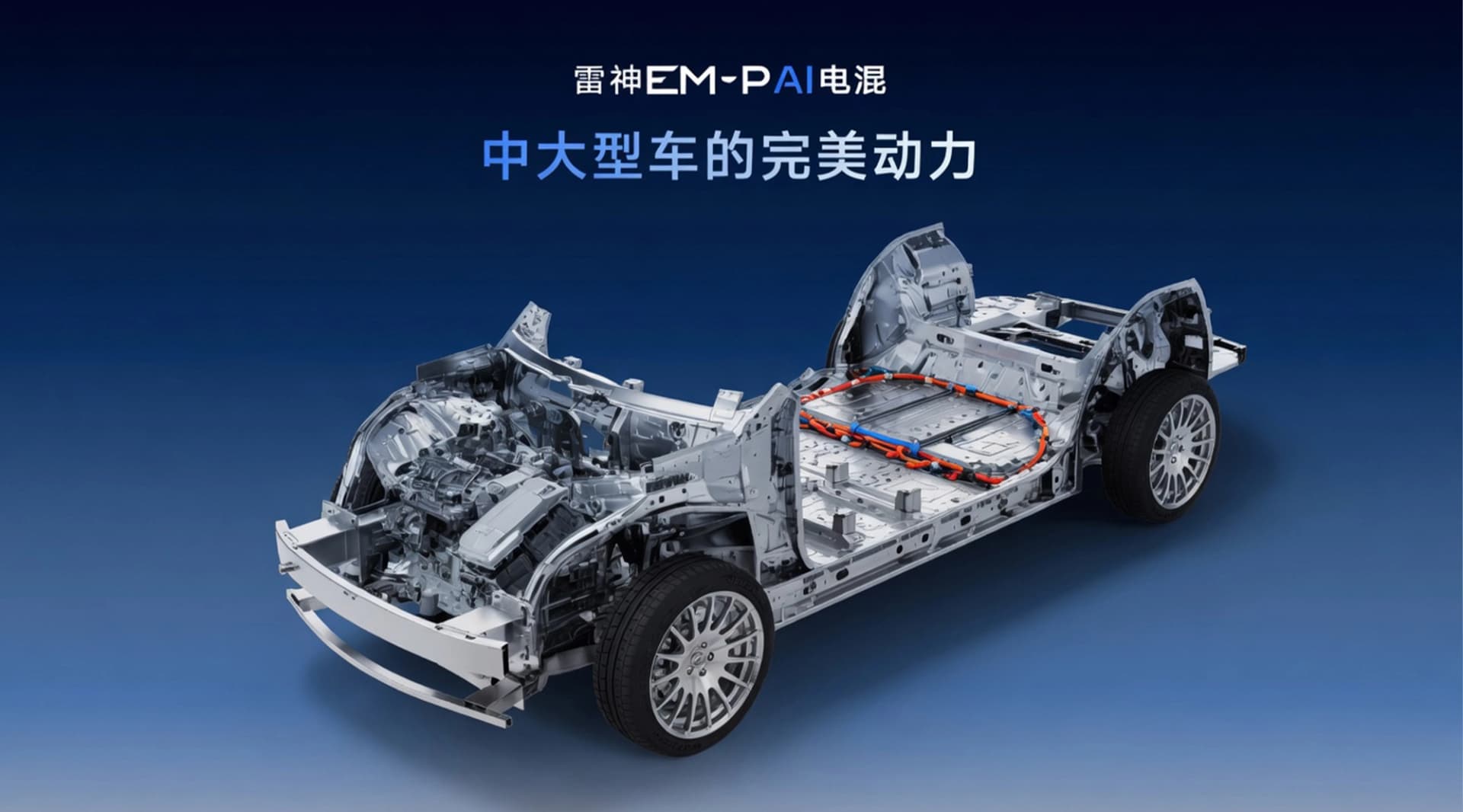
For years, hybrids were seen as the compromise. Not fully electric, not fully efficient, just… transitional. Geely is trying to flip that narrative completely. Their new i-HEV system reaches a thermal efficiency of 48.4%, placing it at the absolute top of what’s currently possible in mass production combustion engineering.
Combine that with AI-driven energy management and a dedicated hybrid architecture, and you get something that starts to feel less like a compromise and more like a solution. And then there’s the real-world implication.
Unlike plug-in hybrids or EVs, this system relies on a small battery (around 1–2 kWh). That means less weight, lower costs, and far less exposure to raw material volatility. In simple terms: cheaper to build, easier to scale, and extremely efficient in daily use.
Performance where it actually matters
Geely isn’t just chasing efficiency figures for headlines. The system delivers 230 kW of electric drive, with a strong focus on low-speed responsiveness, exactly where most European drivers spend their time. Urban traffic, short commutes, stop-and-go situations.
This is where hybrids shine. And Geely knows it. Their production models tell the same story. The Geely Preface i-HEV achieves around 3.98 L/100 km, while the larger Monjaro SUV sits at 4.75 L/100 km. Not record-breaking, but still highly competitive and far more realistic for everyday driving.
A strategy that feels… uncomfortably logical
Here’s where things get interesting. While Europe continues pushing aggressively toward full electrification, Chinese manufacturers like Geely are taking a more pragmatic route. They’re not abandoning EVs (far from it) but they’re doubling down on hybrids as a scalable, cost-controlled alternative.
And honestly? It makes sense. We’ve already seen signals of this shift. Toyota continues to dominate with hybrids, selling millions each year. European brands are quietly recalibrating EV ambitions. And as we discussed recently, even industry leaders are starting to talk about survival rather than dominance. Geely’s move fits perfectly into that context.
AutoNext Take
The real story here isn’t the 2,2 L/100 km figure. It’s what it represents. Geely is building a bridge between today and tomorrow, one that doesn’t rely on perfect charging infrastructure, massive batteries, or heavy subsidies.
And that’s where Europe might have a problem. Because while policymakers push for a fully electric future, customers are still dealing with real-world constraints: price, infrastructure, usability. Hybrids (especially ones this efficient) suddenly look like the smartest short-term solution.