Hyundai kills the i30 and has no plan to replace it
When fleet sales drive a car off the market
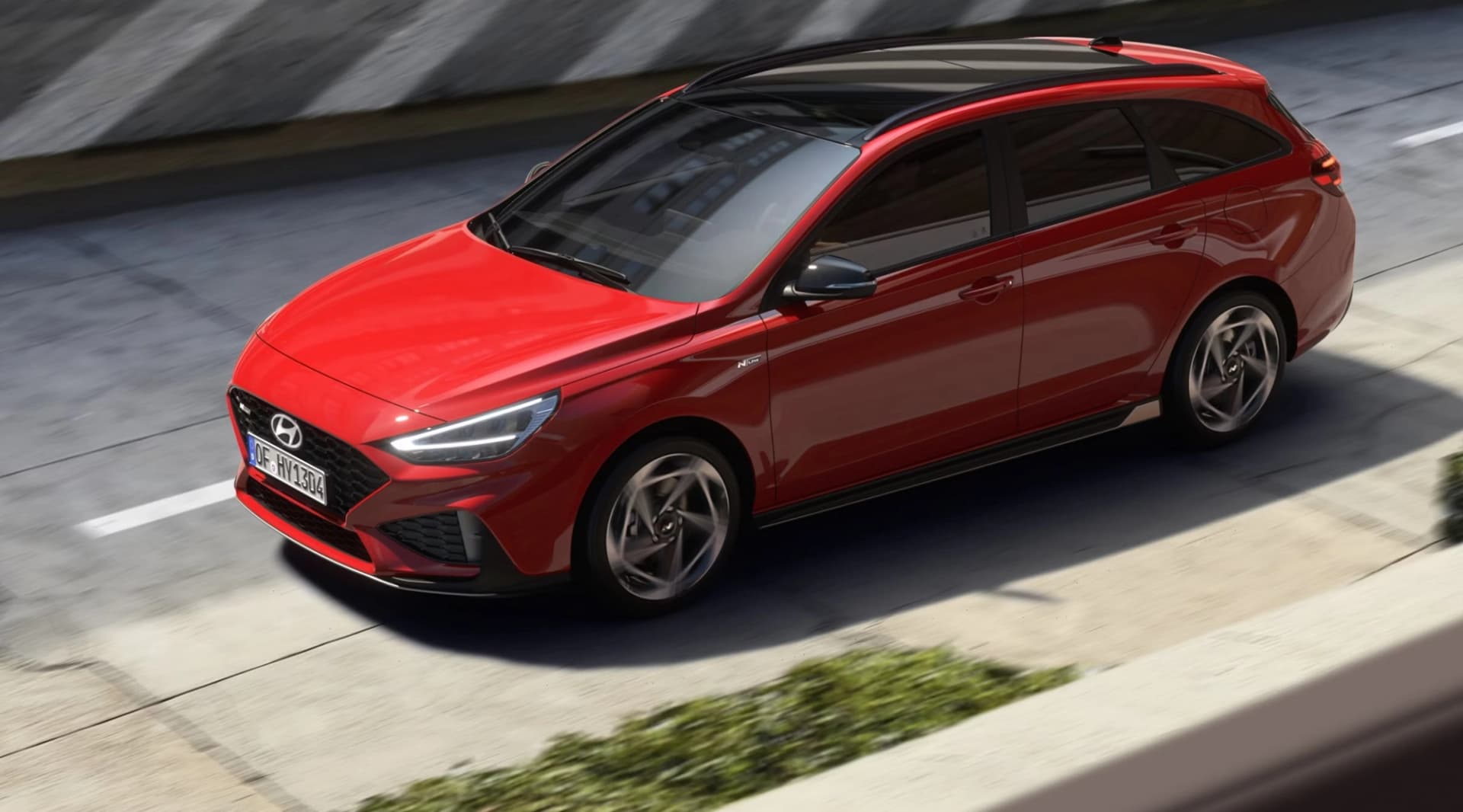
The Hyundai i30 is finished. Europe CEO Xavier Martinet has confirmed the company will not replace it when this generation reaches the end of its life, bringing a quiet close to a model that has sold well across Europe for nearly two decades. The reason is not quality or performance but simple economics: too many i30s went to fleet buyers, too few to private customers, and the margins were never strong enough to justify a clean-sheet successor.
Martinet was direct about it. "The problem is that in this segment the demand is not growing, and it's a vehicle that historically was mostly a fleet vehicle," he said. "The business case is not extremely compelling." When a company's senior European executive says that out loud, the model is over.
A segment that is walking out on itself
The i30's exit is not an isolated decision. The Ford Focus is gone. The Kia Ceed is gone. The Renault Megane is gone. The C-segment family hatchback, once the backbone of European automotive sales, is undergoing a slow dissolution at the hands of crossovers, budget electric cars and changing buyer preferences. What remains of the traditional category, the Volkswagen Golf, Peugeot 308 and Toyota Corolla, holds on precisely because each has the scale, the brand loyalty, or the fleet backbone to stay viable where others cannot.
No direct replacement in the pipeline
Martinet hinted that whatever fills the i30-shaped gap in Hyundai's European range will not look like the i30. He suggested the answer might take "a different form," with a crossover or SUV body the likely direction. Hyundai has already moved that way with the Ioniq 3, its new entry-level EV, and continues to develop the i20 for buyers at the smaller end. The gap the i30 leaves is a real one, and there is nothing confirmed to fill it.
What this means for buyers now
Current i30 owners will not face an immediate cliff edge. Hyundai will continue to support and sell the model through the remainder of its lifecycle. But for buyers who want a traditional five-door hatchback from Hyundai at an accessible price, the options will narrow. Those who need a petrol or hybrid family car in this size may find themselves gravitating to the Golf or 308 by default.
AutoNext Take
Hyundai deserves credit for saying what most manufacturers have been thinking. The C-segment hatchback is in structural decline, and building a new one on the hope that trends reverse is not a business plan. The i30 was never a bad car. In its latest form it is genuinely good. The problem is that "genuinely good" at fleet-contract prices with falling volumes is not a sustainable position, and Hyundai has chosen to be honest about that rather than greenlight a replacement it would struggle to sell profitably.
The interesting question now is what fills the void. If Hyundai's answer is another crossover, it will not be alone. But the brand that finds a creative way to serve buyers who still want a practical, affordable, ground-level car in Europe could find a market nobody else is talking to.