Renault's two hit EVs are getting stronger motors in 2027
A small but significant act of confidence
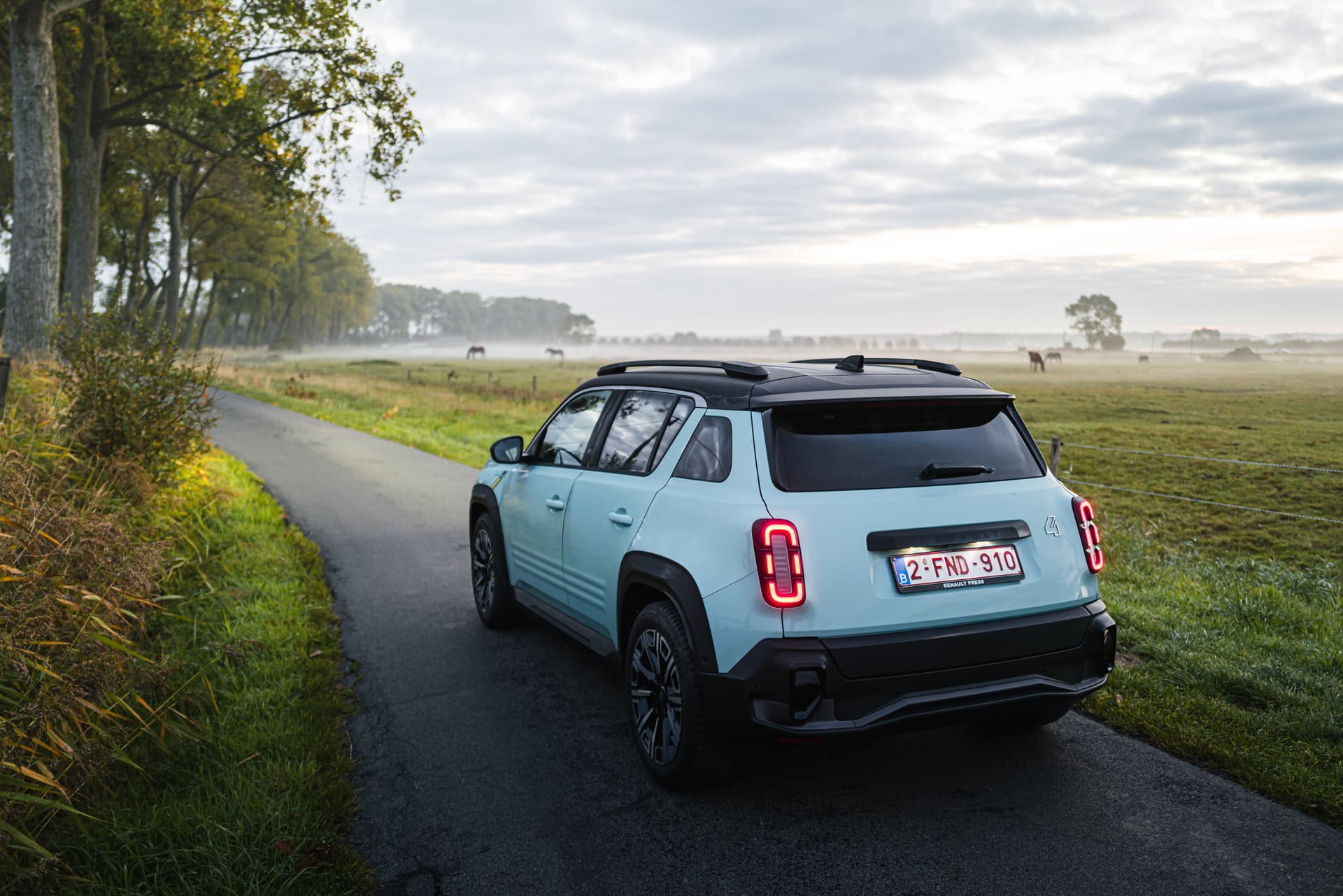
Two of the most popular electric cars in Europe are about to get better. Renault has confirmed that both the Renault 4 and the Renault 5 will receive updated Gen 2 Evo electric motors before the end of 2026, or in early 2027 at the latest, with improvements centred on efficiency and power output. For two models that have already established themselves as genuine bestsellers, this is a deliberately competitive move.
The confirmation came from Marianne Bataillon, Renault's director of EV motor and battery development, who described the ongoing work to refine both efficiency and power in the existing Gen 2 motors. The timeline is specific: end of 2026 at the earliest, beginning of 2027 at the latest. This is a scheduled technical upgrade to cars already in production, not a vague promise buried in a multi-year technology roadmap.

What exactly is being improved
The Gen 2 Evo upgrade focuses on two specific components: the inverter and the reducers. These govern how efficiently the motor converts electrical energy into drive, and improvements here can deliver meaningful gains in real-world range and responsiveness even without changing the battery size or the core motor design. Renault has not yet published updated power or range numbers for the improved 4 and 5, but the direction is firmly upward.
Where the two cars stand today
The Renault 5 currently comes in two configurations. The entry version pairs a 121 hp motor with a 40 kWh battery for around 309 km of range, while the higher-spec version delivers 148 hp, a 52 kWh battery and approximately 406 km. The Renault 4 uses the same higher-spec powertrain, with comparable range. Both are genuinely competitive by today's standards, and both have sold strongly since their respective launches, becoming real evidence that buyers will choose an affordable, characterful electric car when one is put in front of them.
The Twingo shows what is coming
The Gen 2 Evo motor is not a prototype: it is already in production. It debuted in the new Renault Twingo, where it produces 80 hp for city car use, with the Twingo due in European showrooms before the end of 2026. The Renault 4 and 5 will follow with higher-output versions of the same motor technology. Looking further ahead, Renault is also developing third-generation motors for the next Scenic and Megane, both due from 2028 onward, placing the Gen 2 Evo squarely in the middle of a coherent, phased powertrain strategy.
The rivals are arriving with strong numbers
The timing of this upgrade is strategic rather than coincidental. The Volkswagen ID Polo enters the small EV segment with claimed range of up to 455 km on its larger battery, while the Skoda Epiq advertises up to 438 km. Both directly target the buyers who have been choosing the Renault 4 and 5. At current specification, the top-range Renault 5 sits at around 406 km, a real but modest gap. Renault's decision to act now rather than wait for a full next-generation model is a clear signal that the brand intends to remain the car people actually choose in this class, not just a familiar name on the shortlist.
AutoNext Take
Updating a motor mid-cycle rather than waiting for the next generation is a sign of a manufacturer that is paying attention. The Renault 5 and Renault 4 have built real goodwill, and protecting that with a timely power and efficiency boost is the right call. If buyers comparing the Renault 5 against the ID Polo hear that a stronger, more efficient version is only a few months away, some of them will wait, and that is exactly the point of announcing this now.
The gap between the Renault 5 and its new challengers is not large today, and if the Gen 2 Evo closes it entirely, Renault arrives in a strong position: not reacting to rivals, but getting there just ahead of them. That is worth more than any spec sheet comparison.