Hyundai's fix for range anxiety is a Santa Fe that goes nearly 1,000 km using a small petrol engine
Hyundai thinks the fix for range anxiety is not a bigger battery, but a small engine that never turns the wheels
Hyundai has laid out its plan for the next few years, and buried in a wall of investor targets is the bit that should interest ordinary drivers most: a Santa Fe that can travel close to 1,000 kilometres on a tank and a charge, using a small petrol engine as a generator. It is Hyundai's answer to the electric-car dilemma, and it is refreshingly pragmatic.
The 1,000 km SUV with a clever catch
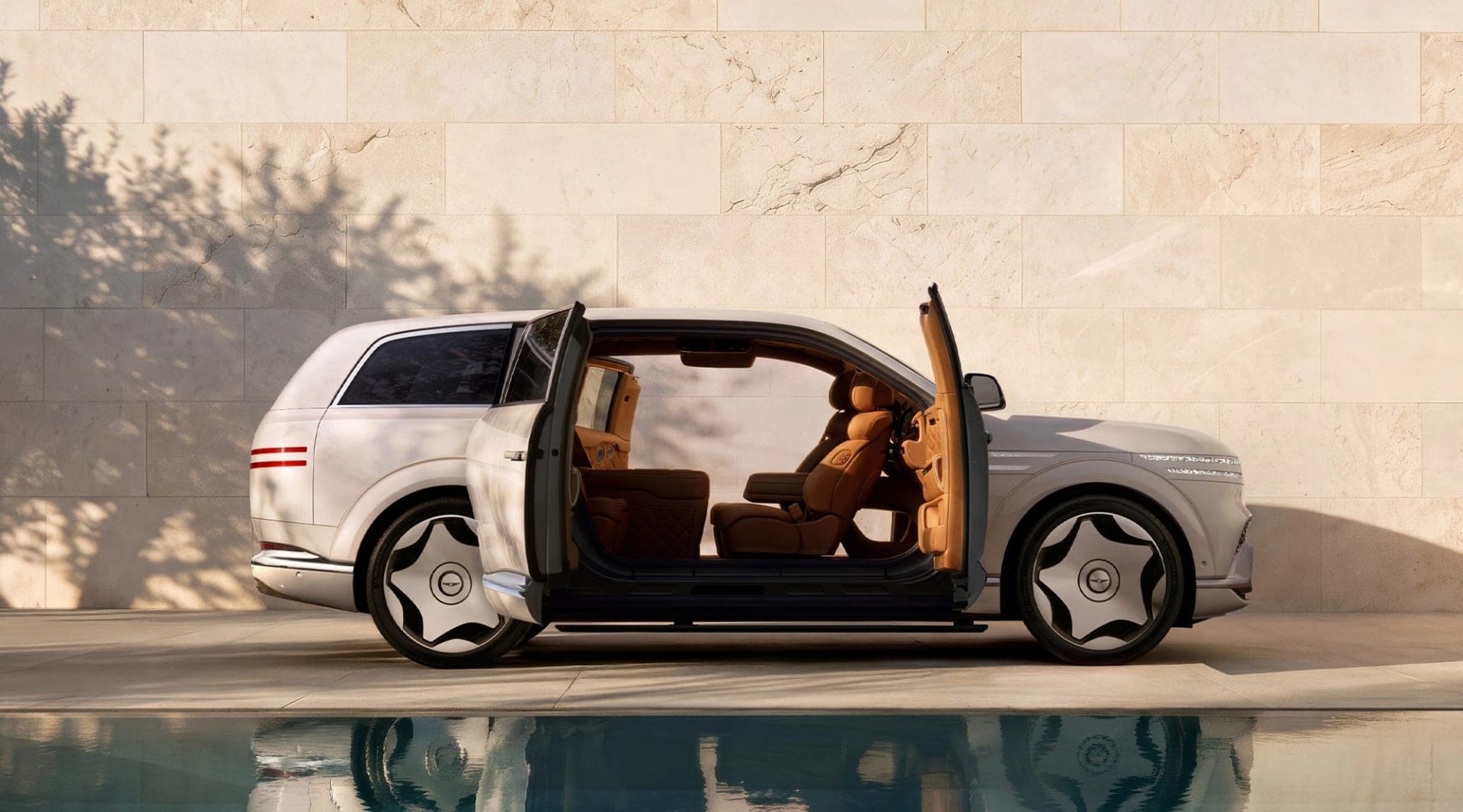
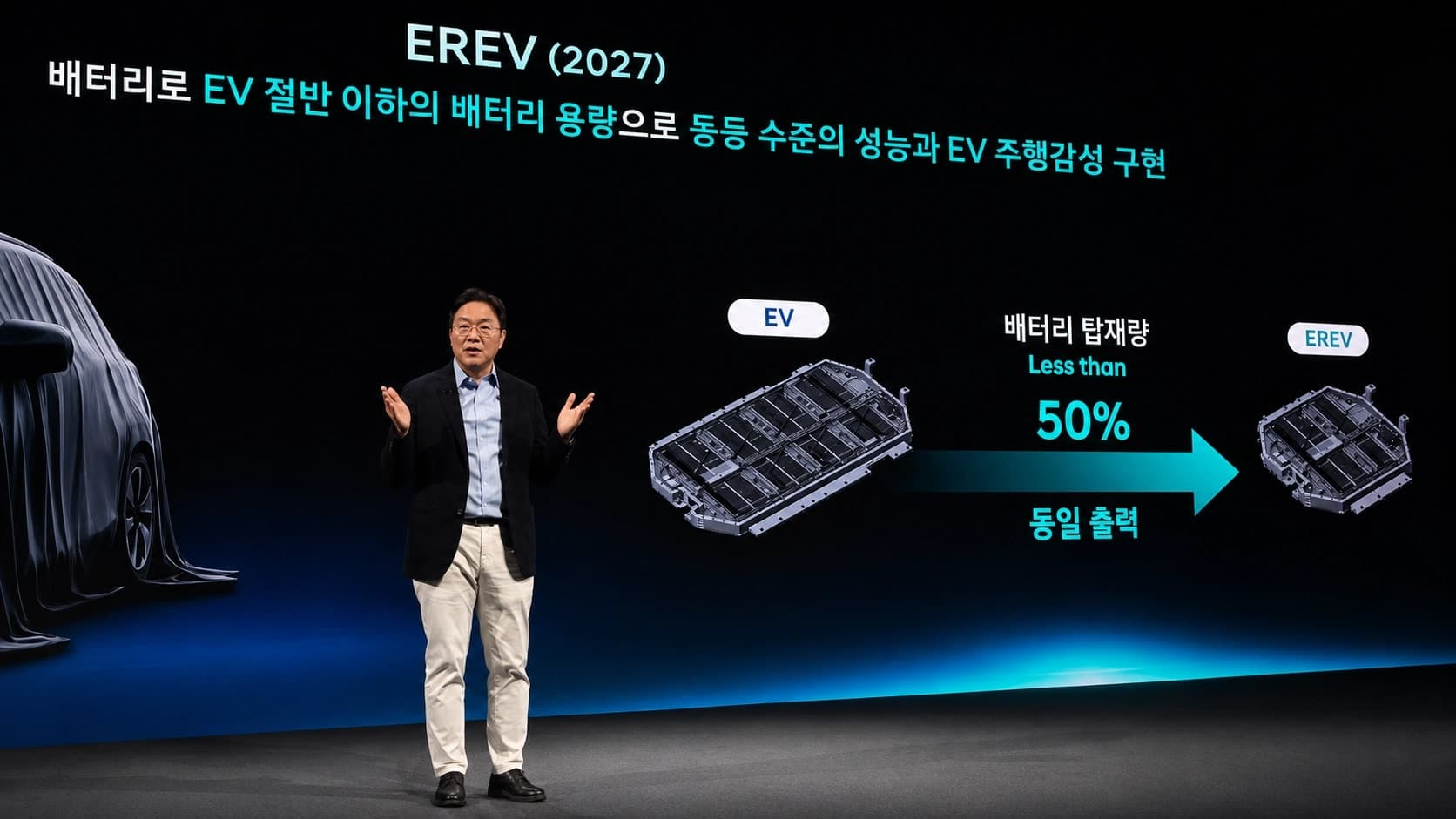
The technology is called an EREV, an extended-range electric vehicle, and the first ones arrive in the first half of 2027. The Santa Fe EREV targets more than 960 kilometres, or 600 miles, of total range, and a Genesis EREV SUV due early in 2027 aims for over 1,000 kilometres. The trick is that these are electric cars first: the wheels are always driven by an electric motor, and a small combustion engine runs purely as a generator to top up the battery when it runs low. Because the engine handles long trips, Hyundai says an EREV needs less than half the battery of a comparable full EV while performing the same.
Why an EREV, and why now
The appeal is obvious. You get the smooth, quiet, plug-in electric driving that suits daily life, but the range anxiety and charging headaches largely disappear, because on a long journey the engine simply keeps the battery fed. A smaller battery also means a cheaper, lighter car that uses far fewer scarce materials. It is the same logic behind range-extender rivals now arriving in Europe, and a sign that the industry is quietly admitting the pure EV is not the only sensible path.
Part of a much bigger bet
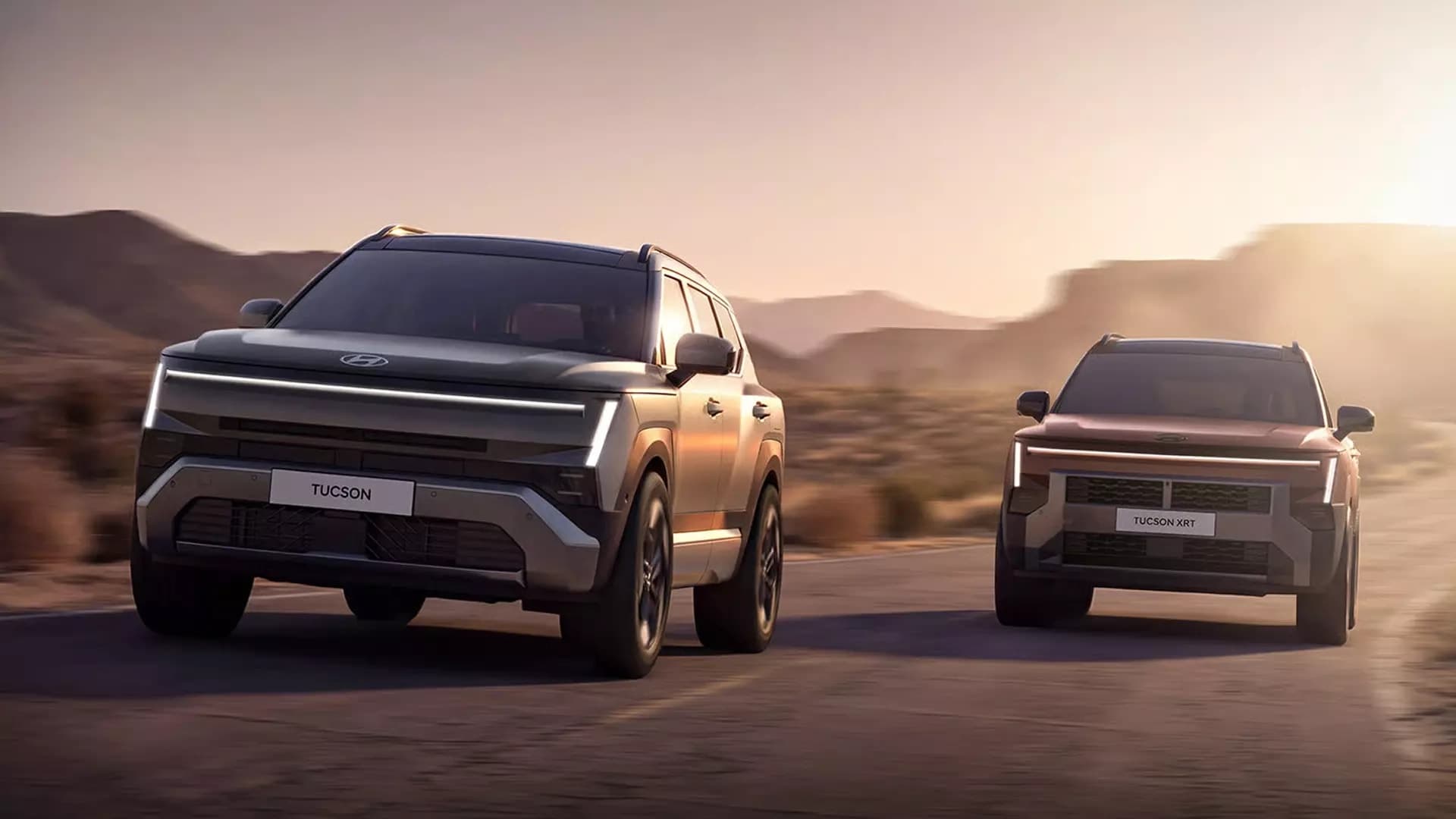
The EREV is just one piece of a strikingly broad strategy. Hyundai plans more than 100 new models by 2030, 41 of them for Europe, and wants electrified cars to make up 60 percent of sales, up from 23 percent last year. Crucially, it is not going all-in on batteries: it is also expanding hybrids, moving into the pickup market with a new midsize truck, refreshing bread-and-butter models like the next Tucson, and pushing its Genesis luxury brand harder. On the back of all this, Hyundai even raised its profit-margin target to above 9 percent by 2030. "We are bringing more than 100 new models to market by 2030 with multiple powertrain options," said CEO Jose Munoz.
AutoNext Take
The clever part of Hyundai's plan is that it refuses to pick a single winner. For years the industry insisted the future was binary, petrol or pure electric, choose a side, and Hyundai's message this week is that the smart money is on optionality: offer a hybrid, an EV or an EREV and let buyers take whatever suits their life. The EREV in particular looks like a genuinely useful answer for people who want to go electric but are put off by range and charging, which is a very large group indeed.
It is less romantic than betting everything on one technology, but look at the scoreboard. While some rivals are cutting tens of thousands of jobs and issuing profit warnings, Hyundai is quietly raising its margins and launching a hundred new cars across every powertrain going. The one open question for us is how many of these EREVs actually reach Europe, since the first Santa Fe version is US-built. Boring, flexible and profitable is starting to look like exactly the right way to survive the messiest decade the car industry has ever faced.