IndyCar's first new car in 15 years sheds 45 kg, and drivers are gushing
Fifteen years of the same car is finally coming to an end
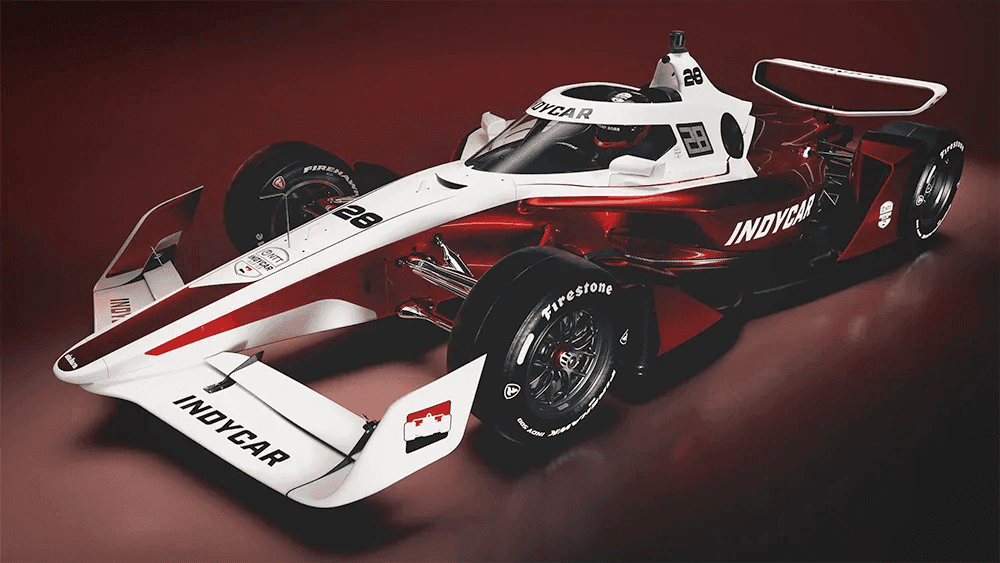
IndyCar has revealed the Dallara IR-28, its first completely new chassis since the DW12 arrived in 2012, and testing began this week at Dallara's factory next to Indianapolis Motor Speedway. The car will race in the NTT INDYCAR SERIES from 2028, built around a new 2.4 litre twin turbo V6 producing up to 760 hp, a bigger hybrid battery, and a body about 45 kg lighter than today's car. Chevrolet and Honda have both committed to building engines for it.
What actually changed under the skin
The IR-28 swaps the current 2.2 litre twin turbo V6 for a 2.4 litre unit still built by Chevrolet and Honda, still making up to 760 hp with hybrid assistance. The bigger change is the hybrid system itself: UK supplier Helix built the new unit, paired with a battery based Energy Storage System from BOLD Technology that holds roughly 14 times more energy than the current supercapacitor, while weighing about 9 kg less. A new Xtrac gearbox cuts a further 11 kg, and the whole car comes in around 45 kg lighter than today's.
A cockpit that finally fits more than one body type
IndyCar has widened the cockpit to fit a broader range of driver heights and builds, improved internal airflow and cooling, and strengthened the side structure for better protection in a spin or a slide. The aeroscreen is lighter and sits closer to the bodywork for what IndyCar calls a fighter jet look, and every safety element is built to meet or beat whichever is stricter, INDYCAR's own rules or the FIA's.
Built to make overtaking possible again
The aerodynamic package is designed around wake, the turbulent air a car leaves behind it, with new front and rear wings for road and street circuits and separately for superspeedways. Electronically controlled, driver adjustable anti roll bars and a new AXIS Inertance Control Suspension System, with third element inertance front and rear, give teams more ways to set the car up without simply adding downforce and making the wake problem worse.
The reveal had Matt Damon, the reaction had a shrug
IndyCar leaned hard into the moment: the launch video used Matt Damon as narrator, and Felix Rosenqvist, Marcus Ericsson and Alex Palou all lined up with enthusiastic quotes about cockpit room, aggressive styling and where the series is heading. Motorsport site Frontstretch was less convinced, noting that a chassis cycle only comes around every decade and a half and arguing the reveal leaned on marketing language, reimagined and redesigned, more than on anything drivers had actually driven yet.
IndyCar isn't the only series rebuilding around hybrids
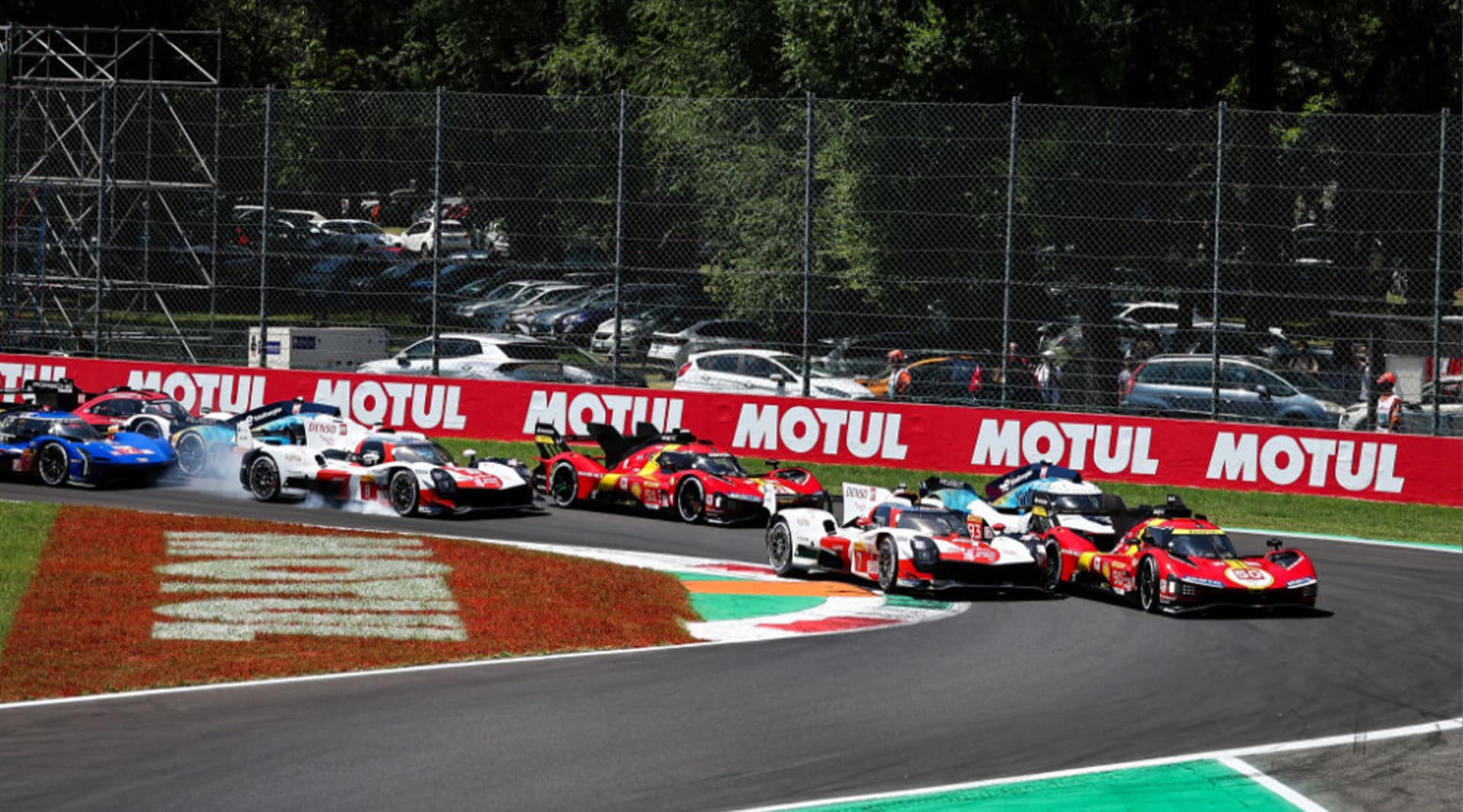
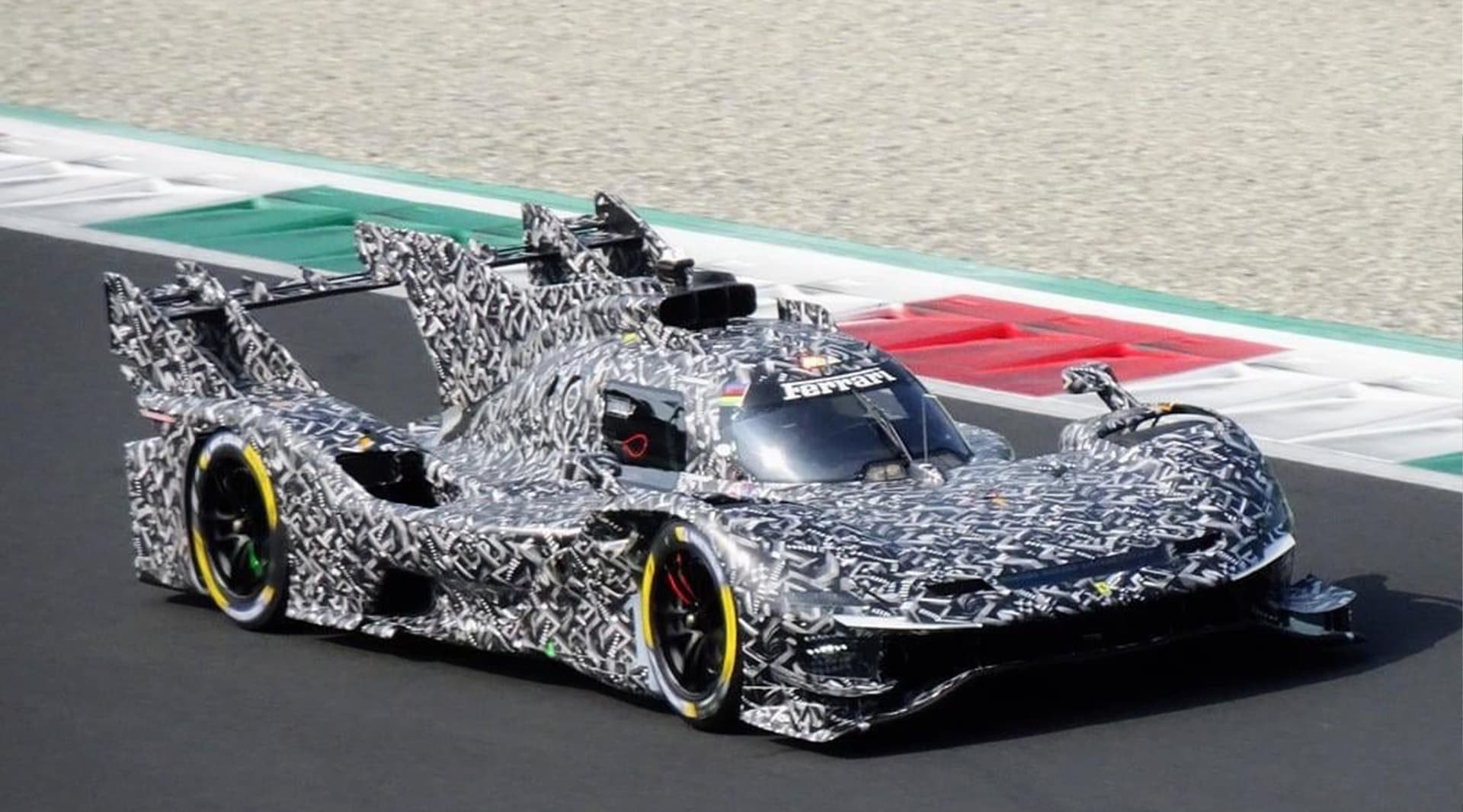
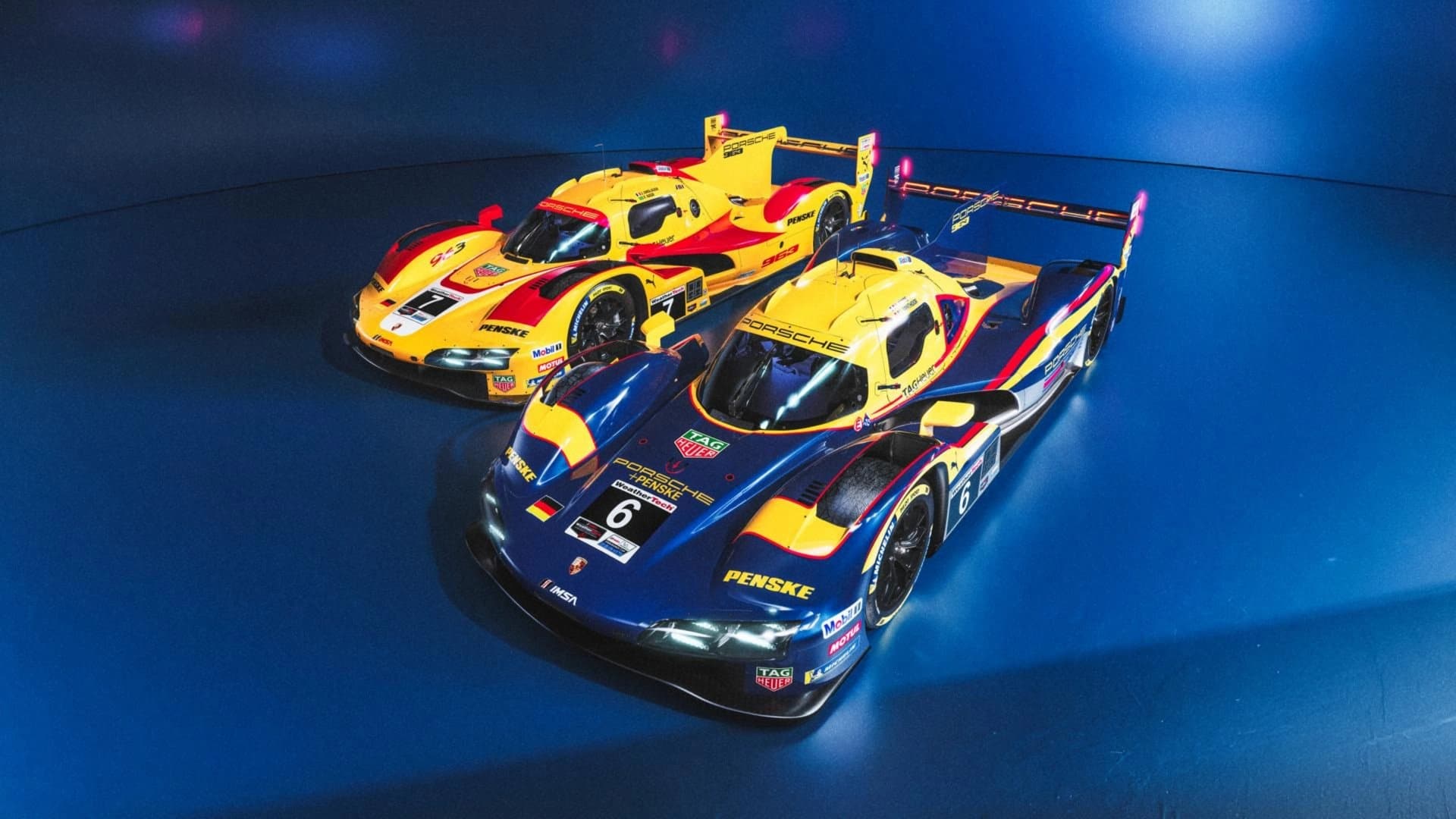
The timing lines up with a wider shift. The WEC just confirmed its 2026 season will finish entirely in Europe, and manufacturers there have spent years normalising hybrid hypercars; Ferrari is already testing 2027 upgrades for a 499P that just won its class, rather than resting on it; Porsche is still racing its 963 in IMSA on America's own soil. IndyCar's hybrid push and lighter chassis are catching up to a hybrid first racing world other categories reached years ago.
AutoNext Take
The most interesting number here is not 760 hp or 45 kg, it is fifteen years. Formula 1 rewrites its regulations every few seasons and calls it progress; IndyCar just proved a single chassis can carry a healthy championship for a decade and a half, and only replaces it once genuinely necessary. That is not the marketing story IndyCar told this week, but it might be the more convincing one.
Frontstretch's skepticism about the buzzwords is fair, drivers are never going to say a new car of theirs looks bad. But the actual numbers, a battery pack with fourteen times the storage in nine kilograms less, a chassis that finally fits more than one body type, do not need a Hollywood voiceover to sound convincing. The IR-28 does not have to be revolutionary to be right. It just has to be the car that makes IndyCar's next fifteen years as competitive as its last.