Fiat sold 144 cars in six months, so it has stopped importing them to Australia
What happens when a whole brand rests on one expensive city car
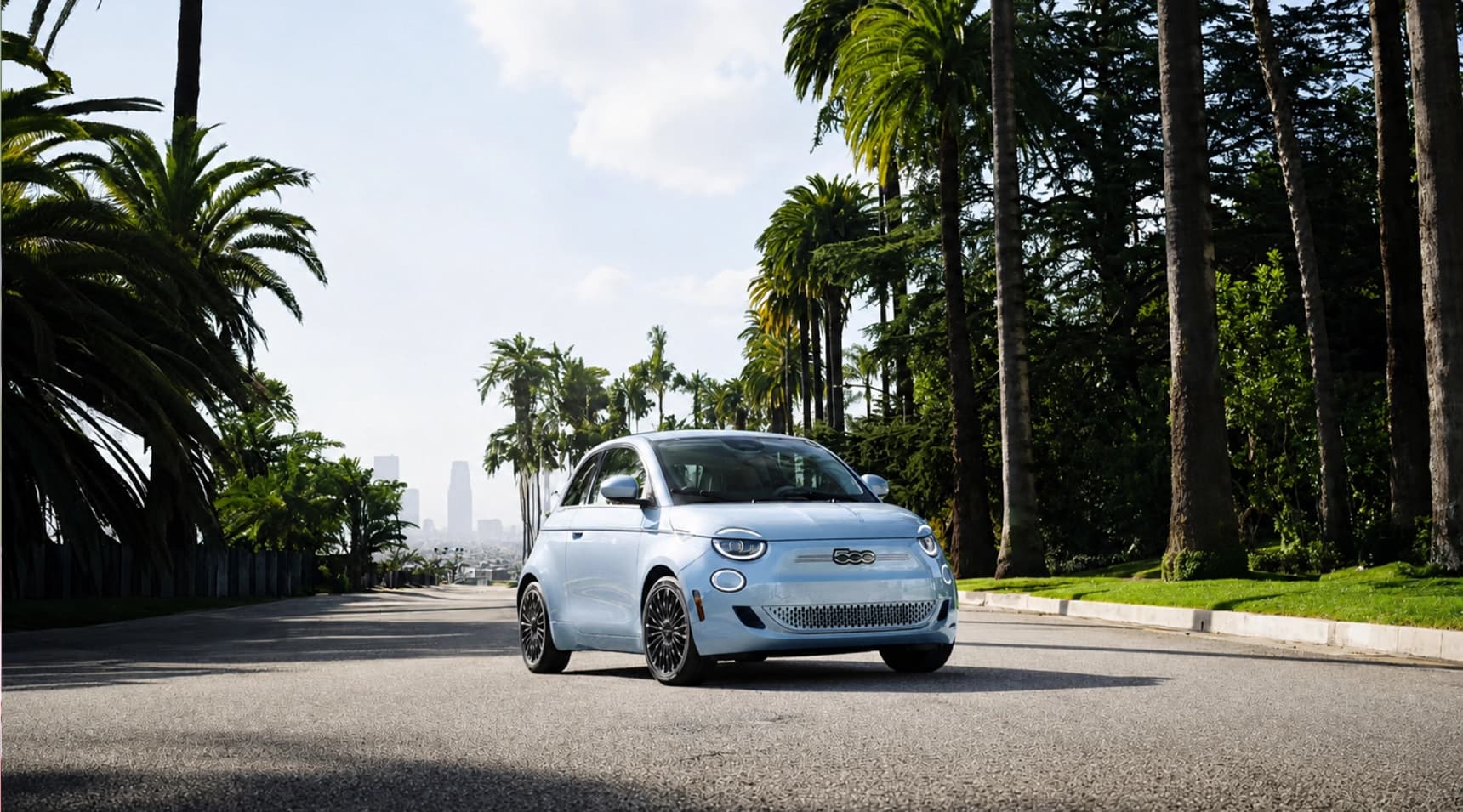
Fiat has stopped importing passenger cars to Australia, and the number behind the decision tells the whole story: 144 cars in the first half of 2026, down 30 percent on an already tiny figure. When a brand's entire passenger range in a market is one costly electric hatchback, this is where it ends up.
What has actually happened
Fiat has paused new passenger car orders for the Australian market while it reassesses its line-up. In practice its passenger range there had shrunk to just two closely related cars, the 500e and the Abarth 500e, both electric and neither cheap. The contrast with the commercial side is stark: Fiat's vans are doing fine, with 139 units sold in June alone, and those imports continue with no suspension planned.
It is a pause, not an exit
Fiat is not walking away. A Stellantis spokesperson said the company is "not planning additional orders while we evaluate future product opportunities for the local market" and that it continues to support existing Fiat and Abarth customers. It is worth noting the context, though: this follows Peugeot pausing its own Australian passenger operation earlier in 2026, so this is a pattern within Stellantis rather than a Fiat-only stumble.
Why it collapsed
The cause is not mysterious. A passenger range reduced to a single, relatively expensive electric city car, in a market that was not ready to pay a premium for one, leaves nothing to fall back on. There was no cheap petrol model to bring people in, no small SUV to catch the mainstream, nothing but the 500 and its hot Abarth twin. When that one car does not sell, the whole brand does not sell.
The way back
There is a plausible recovery, because Fiat's global portfolio is finally broadening. The affordable Grande Panda and the electrified Grizzly SUV are exactly the kind of models the Australian range never had, and a cheaper 500 hybrid gives buyers an option that is not battery-only. Stellantis has also named Fiat a core global brand, so the will to rebuild is stated, even if the products have to arrive before it means anything.
Why European readers should care
This is a small market showing a symptom of a much bigger Fiat problem. For years the brand leaned almost entirely on the 500, coasting on charm and heritage while the range around it thinned out. The fix Fiat is rolling out in Europe, a cheaper 500 hybrid, the Grande Panda and the Grizzly, is the same medicine it needs everywhere, and Australia is just the market where the shortage of product showed up first and most brutally.
AutoNext Take
Fiat has one of the most loved names in the industry, and this is proof that a beloved name sells nothing on its own. Heritage gets a brand attention and goodwill, but people still buy the car in front of them, and if the only car in front of them is a pricey electric city runabout, most will walk. The 500 is a wonderful thing, but leaning a whole brand on it for years was always going to end somewhere like this.
The encouraging part is that Fiat finally seems to understand the problem, because the Grande Panda, the Grizzly and a cheaper hybrid 500 are the broad, affordable line-up it should have had all along. Australia is a warning, not an obituary, and the brand that comes back with real product will be in far better shape than the one that just pulled its cars from a whole country.