The electric-only dream is over for Lotus, and a V8 Hybrid supercar is coming
This is Lotus admitting that the market changed faster than the strategy.
The brand that once wanted to become all-electric is now taking a different road. Under its new Focus 2030 strategy, Lotus will move towards a more flexible multi-powertrain future, combining ICE, PHEV and BEV models instead of forcing every product into a purely electric direction. The headline is impossible to ignore: an all-new Type 135 V8 hybrid supercar is planned for 2028, with more than 1000 hp.
Focus 2030 is a reset, not a small update
Lotus describes Focus 2030 as a strategy built around four pillars: brand reinforcement, a multi-powertrain strategy, closer collaboration with partners and stronger financial discipline. In normal corporate language, that sounds safe. In Lotus language, it means something sharper: the brand needs to get back to what makes Lotus, Lotus.
Lightweight engineering. Aerodynamics. Driver engagement. Performance with purpose. Cars that feel alive instead of simply looking expensive. Lotus CEO Qingfeng Feng says the brand remains obsessed with engineering, performance and building drivers’ cars. That line matters, because Lotus has spent the past few years expanding into electric SUVs and GTs, but many enthusiasts were still waiting for proof that the original DNA had not disappeared.
The all-electric plan has become a multi-powertrain strategy
Lotus now targets an approximate 60% PHEV / 40% BEV volume mix across its electrified portfolio. That is a major change from the earlier messaging around the Emira being the final combustion-powered Lotus. The company will still develop BEVs, with the Eletre, Emeya and Evija remaining important, but hybrids will now play a central role.
This is the industry reality in 2026. EVs are growing, but not evenly. Premium customers want flexibility. Regulations differ by region. Charging infrastructure is not equally developed everywhere. And for performance brands, emotion still matters enormously.
X-Hybrid is Lotus trying to make hybrids feel like Lotus
The first major technology pillar is X-Hybrid, a proprietary hybrid system that blends combustion and electric performance.
On the Eletre X, the system is said to deliver 952 hp and 935 Nm, with an EV-only range of up to 350 km and a combined range of more than 1200 km. The 0 to 100 km/h sprint takes 3.3 seconds, while the 70 kWh battery can charge from 20 to 80% in a claimed 9 minutes. Lotus also mentions a 900V architecture, 48-volt active anti-roll control, dual-chamber air suspension, dual-valve dampers and six-piston Brembo brakes.
Type 135: the V8 hybrid supercar that changes the conversation
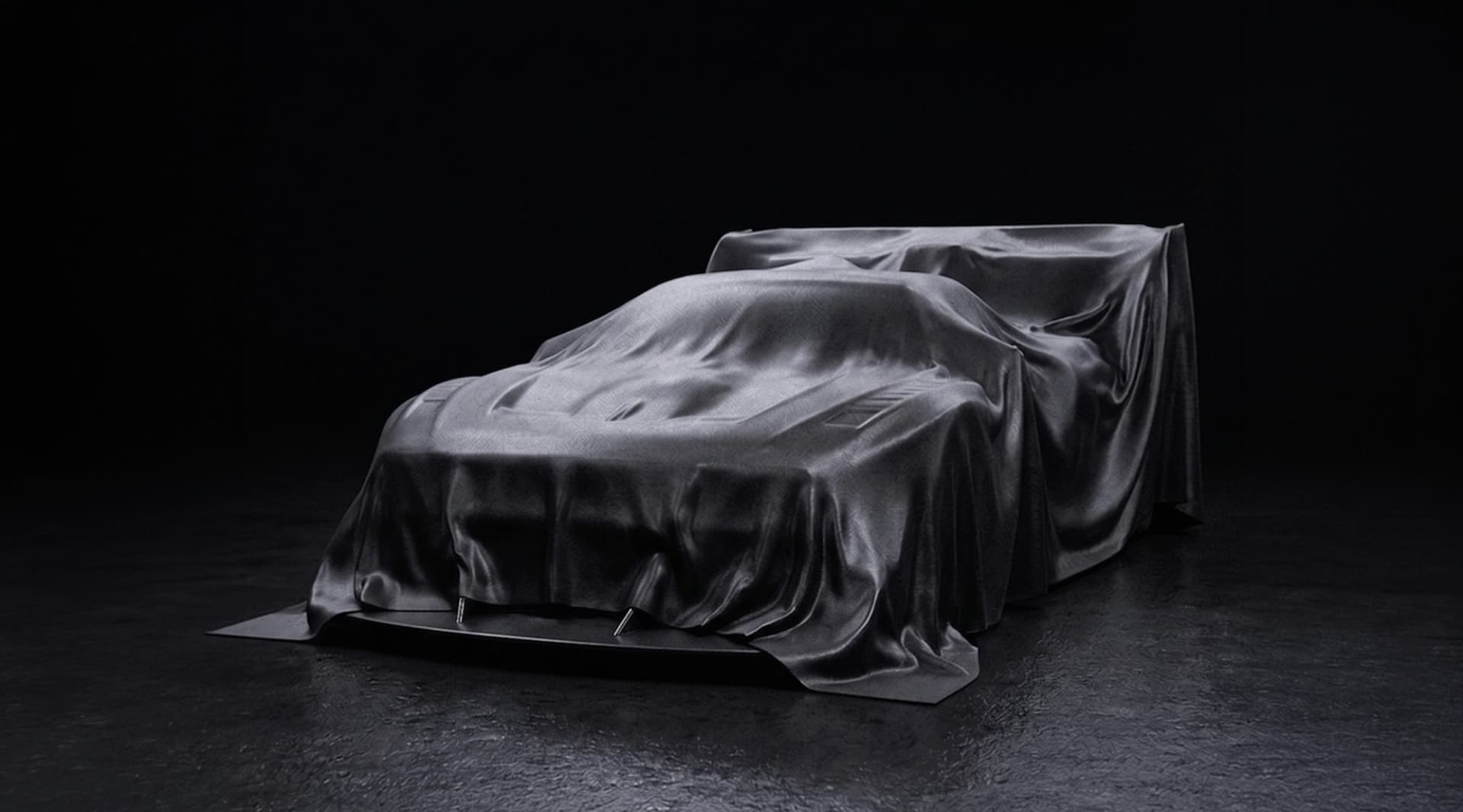
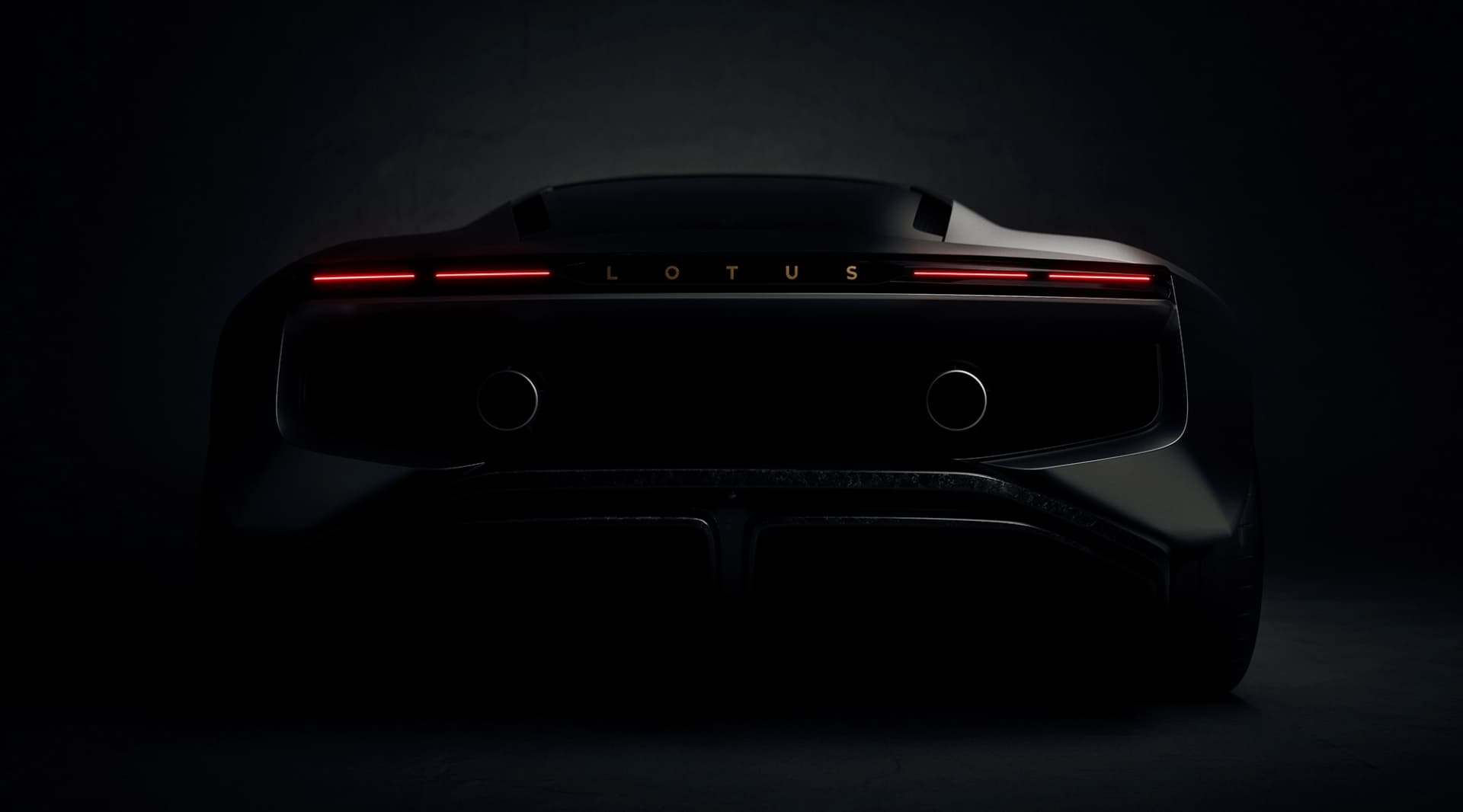
Then comes the big one. The Type 135 is planned for 2028 and will be an all-new V8 hybrid supercar with more than 1000 hp. Lotus says it is expected to be manufactured in Europe, with more details coming later this year. Car and Driver reports that the car is expected to use a hybrid V8 setup and may act as a spiritual successor to the Esprit, marking the first Lotus road car with a V8 since the Esprit ended production in 2004.
This is exactly the kind of car Lotus needs. Not because every Lotus should have a V8. That would be missing the point. But because a halo car with emotional power, European production and a driver-focused hybrid system gives the brand something its electric SUV push could never fully deliver: credibility with enthusiasts.
The Emira is not dead yet
Lotus also confirms continuity for the Emira, reflecting continued demand for combustion-engine sports cars and the brand’s commitment to UK manufacturing.
Even better, Lotus says an update is coming soon, described as the most powerful and lightest Emira built. That sounds like the kind of sentence Lotus enthusiasts have been waiting to hear.
The Emira matters because it is the bridge between old Lotus and new Lotus. It is also a reminder that not every customer wants a large electric GT or SUV. Some still want a compact, emotional, combustion-powered sports car with steering feel and mechanical character.
AutoNext Take
This is the right move from Lotus. Not because hybrids are automatically better than EVs. They are not. And not because Lotus should abandon electric innovation. It absolutely should not.
But because the all-electric strategy felt too narrow for a brand whose value is built on feel, lightness, response and driver involvement. Lotus is not a volume EV brand. It should not try to win the same way Tesla, BYD or Mercedes win. Lotus needs to win by being sharper, more emotional and more engineering-led than the obvious alternatives. Focus 2030 sounds like Lotus finally admitting that.