Lucid denies it's heading for bankruptcy after its shares crashed 55%
A brutal day for one of the EV world's most likeable underdogs
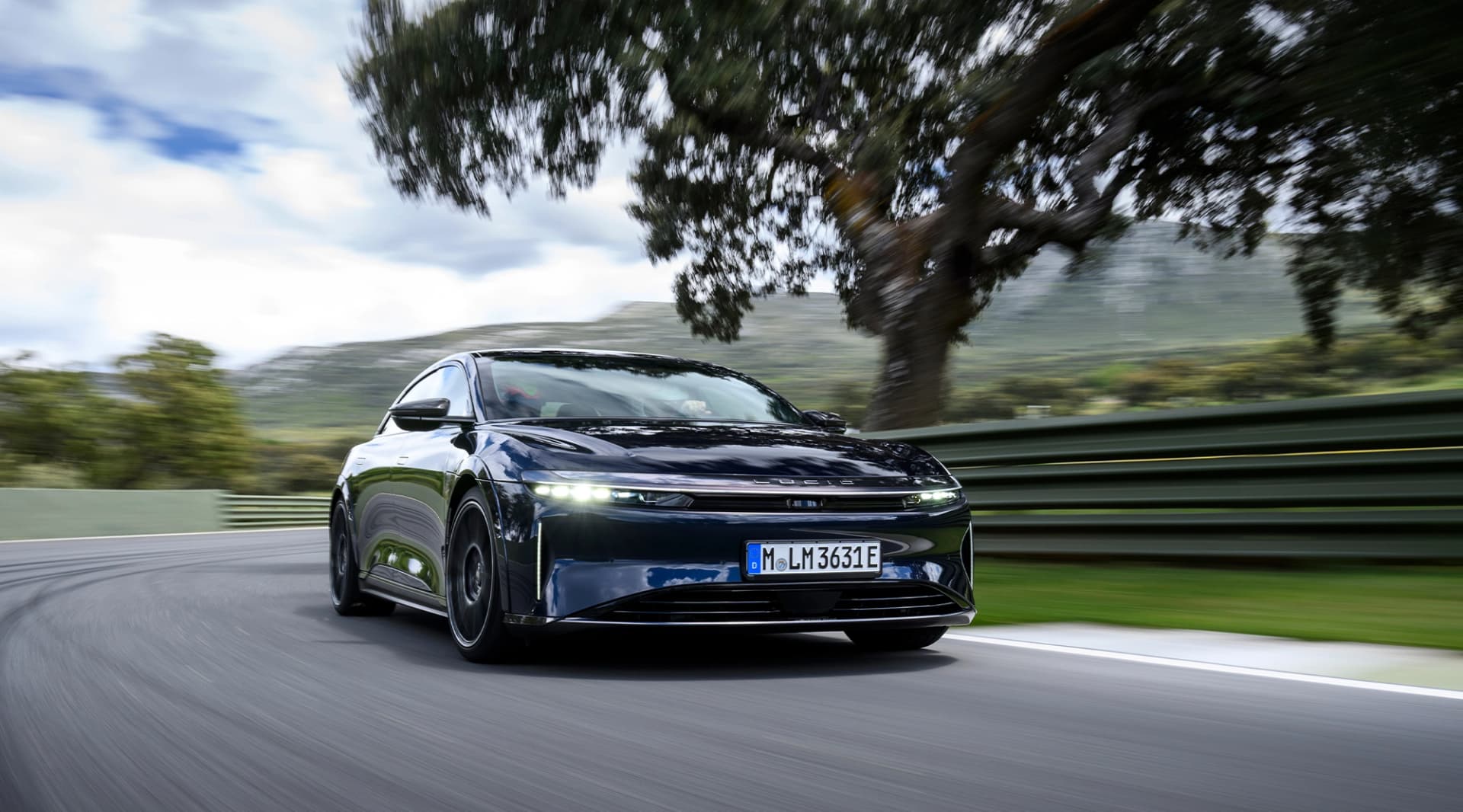
We have a real soft spot for Lucid. The Air is one of the most technically brilliant electric cars on sale, and the new Gravity SUV looks superb. So it was painful to watch the company's shares crash by more than 55% this week, after a report claimed it was weighing bankruptcy, a claim Lucid has firmly denied.
What sparked the crash
The panic was triggered by a report claiming Lucid was considering filing for Chapter 11 bankruptcy or going private. Investors reacted instantly, sending the stock down more than 55% at its worst and forcing multiple volatility trading halts, one of the sharpest single-day drops in the company's history. Shares fell to a low of around 2.37 dollars before recovering to about 4.68 dollars by mid-afternoon.
Lucid's firm denial
Lucid did not hold back in its response. Chief communications officer Nick Twork said the rumours are "completely false," adding that the company has "sufficient liquidity to carry its operations well into next year" and has "not formed any special Board committee to explore the scenarios reported today." It also clarified that consultants AlixPartners are helping strengthen its operations and "nothing else," and have not recommended bankruptcy.
The money behind it
The balance sheet backs up the denial, at least for now. Lucid reported roughly 714 million dollars in cash and around 3.2 billion in total liquidity at the end of the first quarter of 2026. Crucially, it has a deep-pocketed backer in Saudi Arabia's Public Investment Fund, which along with Uber helped it raise another 1.05 billion dollars in April. That kind of support is exactly why talk of imminent bankruptcy looks premature.
The real problem: demand
Denials and cash reserves do not fix the underlying issue, though. Lucid remains a very low-volume manufacturer, and demand for its cars has been stubbornly soft despite how good they are. The gorgeous Air sedan has never sold in big numbers, and the Gravity SUV needs to change that story. A recent deal with Uber to supply 35,000 self-driving-equipped vehicles, including 10,000 Gravitys, offers a genuine lifeline, but Lucid still has to prove it can sell cars at scale.
AutoNext Take
These are strange, nervy times for a brand we genuinely admire. Lucid makes some of the most impressive electric cars in the world, with class-leading efficiency and range, yet it cannot seem to translate that engineering brilliance into the sales it needs. The bankruptcy report may be wrong, and the strong Saudi backing suggests the company is not about to disappear, but the sharpness of the market's reaction shows how fragile confidence in it has become.
We really hope Lucid finds its feet, because the car world is more interesting with it in it, and building great EVs clearly is not the same as building a healthy business. The Gravity and the Uber deal are reasons for cautious optimism, but the brand badly needs demand to catch up with its talent. For now, we are rooting for the underdog and watching nervously.