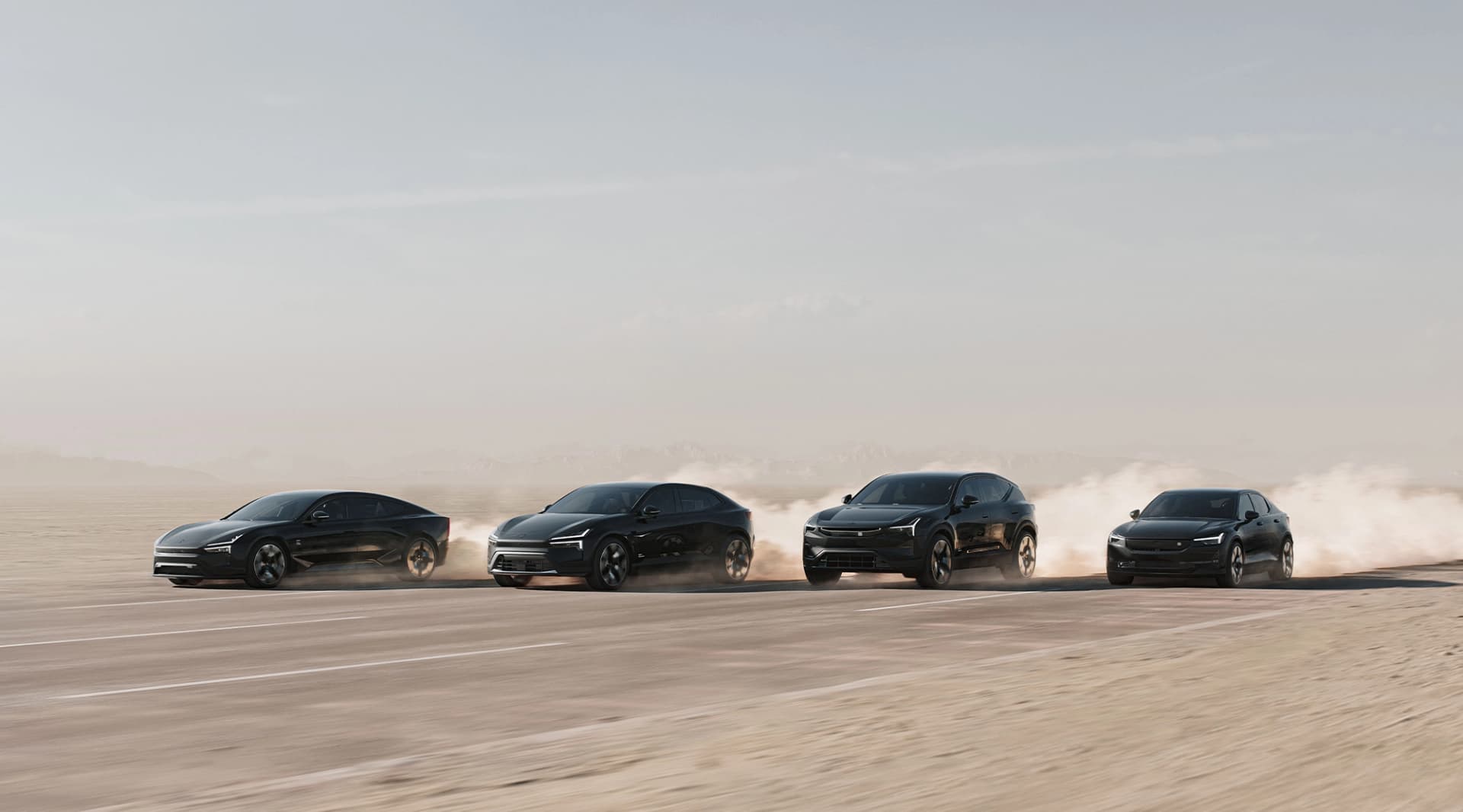
Polestar's CEO says the era of the global car is over, and he has a point
A car boss just said the quiet part out loud
Every so often a chief executive says something that cuts through the corporate polish and tells you exactly where an industry is going. Polestar boss Michael Lohscheller has just done it. Reacting to his brand being pushed out of the United States, he declared that the days are over when everything was global, and it is worth taking seriously.
The quote that matters
"The days are over when everything was global," Lohscheller said, adding that the situation "accelerates the regionalisation everywhere, not only for us but for the entire industry." It is a remarkably blunt thing for a sitting CEO to admit. Rather than spin his brand's US setback as a temporary hurdle, he framed it as a symptom of a permanent shift in how cars are built, sold and regulated around the world.
A quick recap of what triggered it
The context, which we covered in detail when the news broke, is that Polestar has been forced out of the US market from the 2027 model year, denied authorisation under America's Connected Vehicle Rule over its links to parent company Geely's software. Tellingly, Lohscheller confirmed Polestar will not even appeal. When a brand walks away rather than fight, it tells you it sees the door as firmly, and permanently, closed.
The end of the one-size-fits-all car
For decades the dream was a genuinely global car: design once, build in a few key plants, sell everywhere. Lohscheller is effectively calling time on that model. As tariffs, data-security rules and trade tensions multiply, carmakers increasingly have to localise, building where they sell, keeping software and data within regional borders, and tailoring entire strategies to individual markets. The car is becoming a product of geopolitics as much as engineering.
What it means for Europe
For European buyers and brands, this cuts both ways. On one hand, regionalisation could mean more cars built in Europe, for Europe, which is no bad thing for local industry and jobs. On the other, it points to a more fragmented, more expensive world where the economies of scale that kept cars affordable start to erode. Europe is already walking this path, from its own tariffs on Chinese plug-in hybrids to tighter rules on data and software.
AutoNext Take
What makes Lohscheller's comment so striking is its honesty. Most executives would have downplayed a market exit; he used it to name a trend the whole industry is quietly grappling with. He is right, too. The era of the truly global car, sold in the same form on every continent, is fading, replaced by a patchwork of regional markets each with their own rules, politics and software requirements.
Whether that is good or bad depends on where you sit. It may protect and reinvigorate local manufacturing, but it also risks higher prices and less choice as the industry splinters. Either way, when a CEO tells you the global era is over, it is worth listening. This felt less like a complaint about one lost market and more like a glimpse of the road ahead for everyone.