China didn't just copy the Ferrari Purosangue, it hired the man who styled the LaFerrari
The most Ferrari thing about this Chinese SUV is not its shape, it is the man who drew it
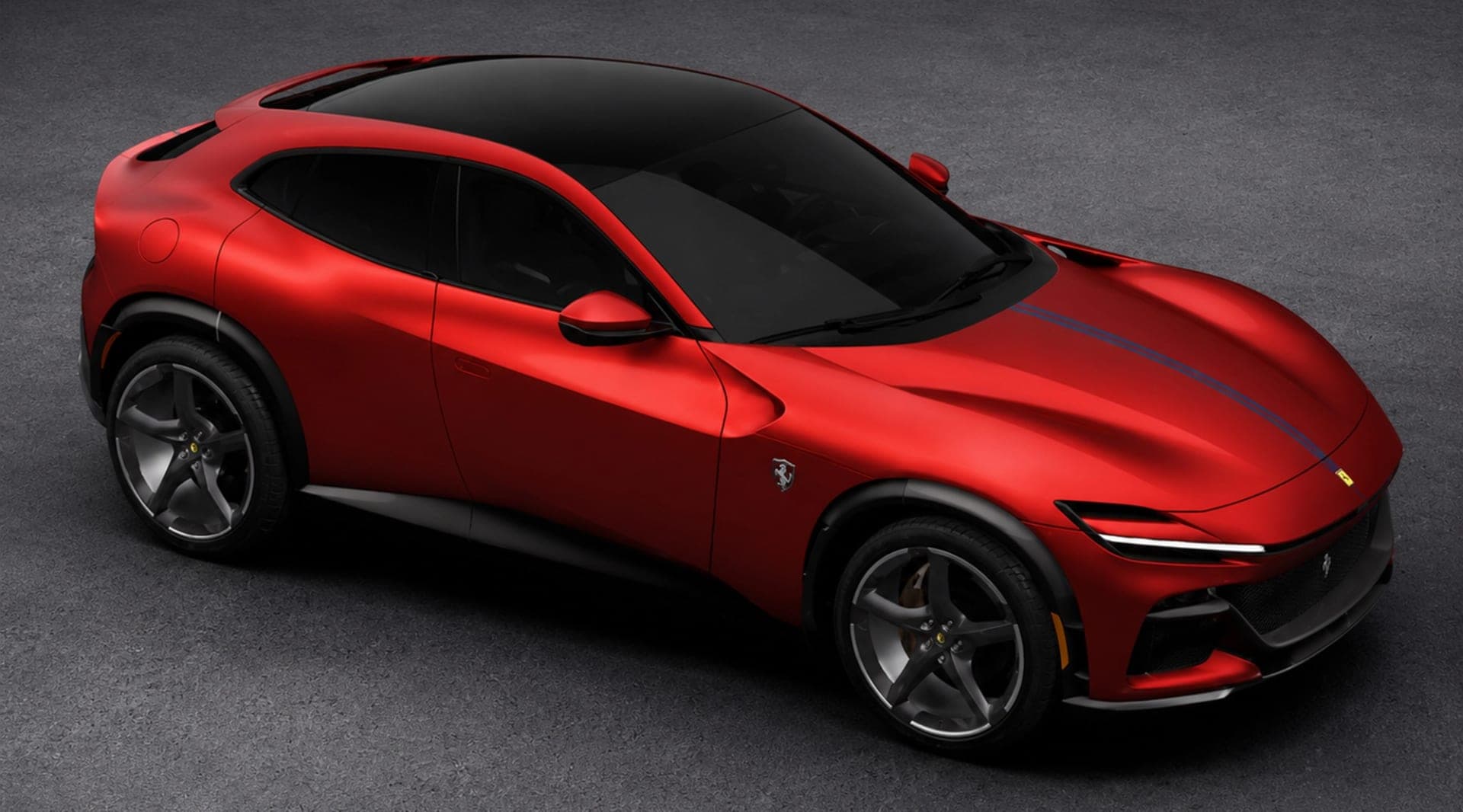
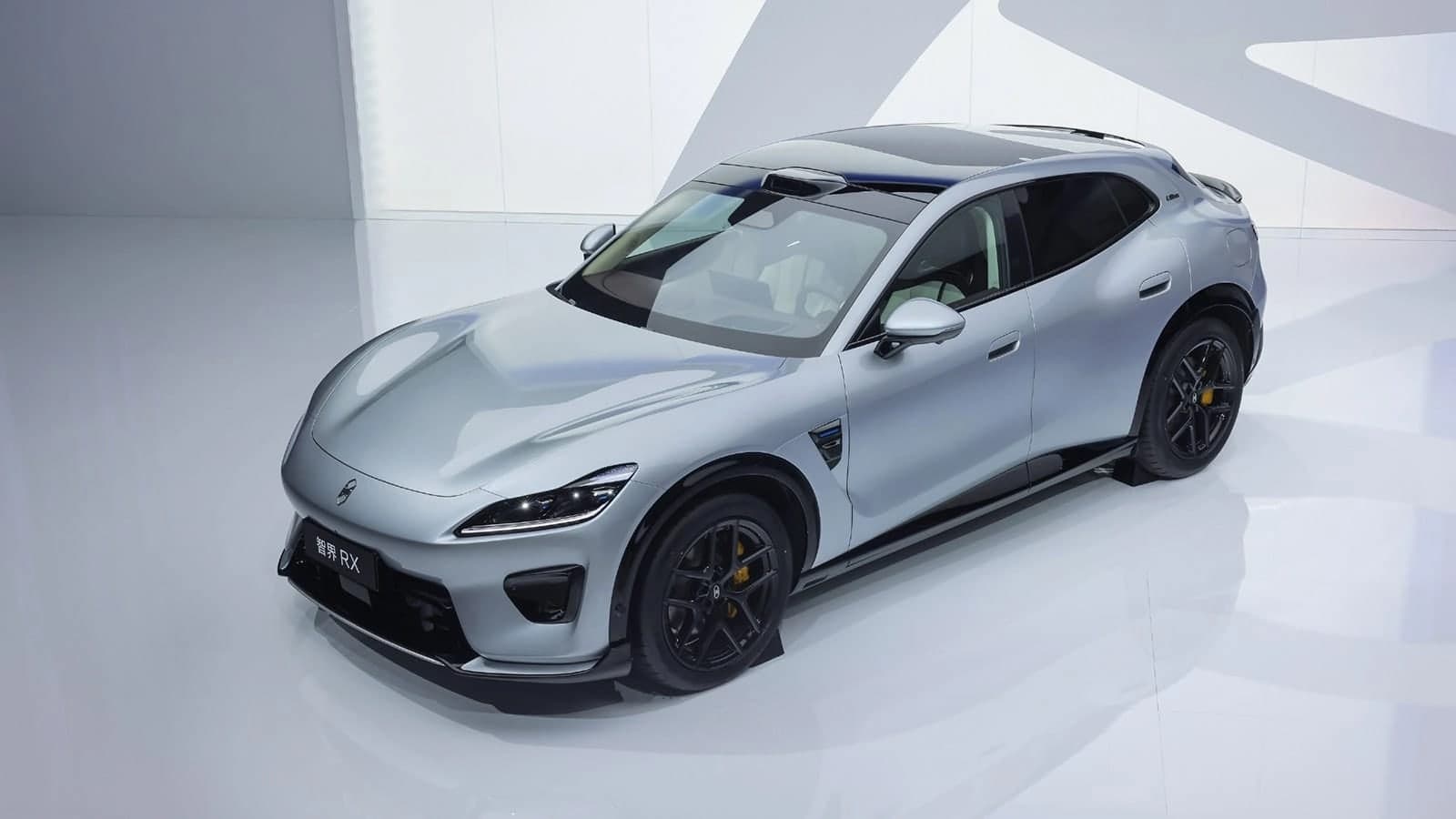
At a glance the new Luxeed RX looks like someone photocopied a Ferrari Purosangue and stuck a Chinese badge on it. That is the easy story, and plenty of new Chinese cars invite it. The harder, more interesting one is who actually penned this thing, because the RX was styled by a genuine ex-Ferrari designer, tuned by a former Aston Martin boss, and it will start at around 39,000 euros.
A Purosangue silhouette, a Chinese badge
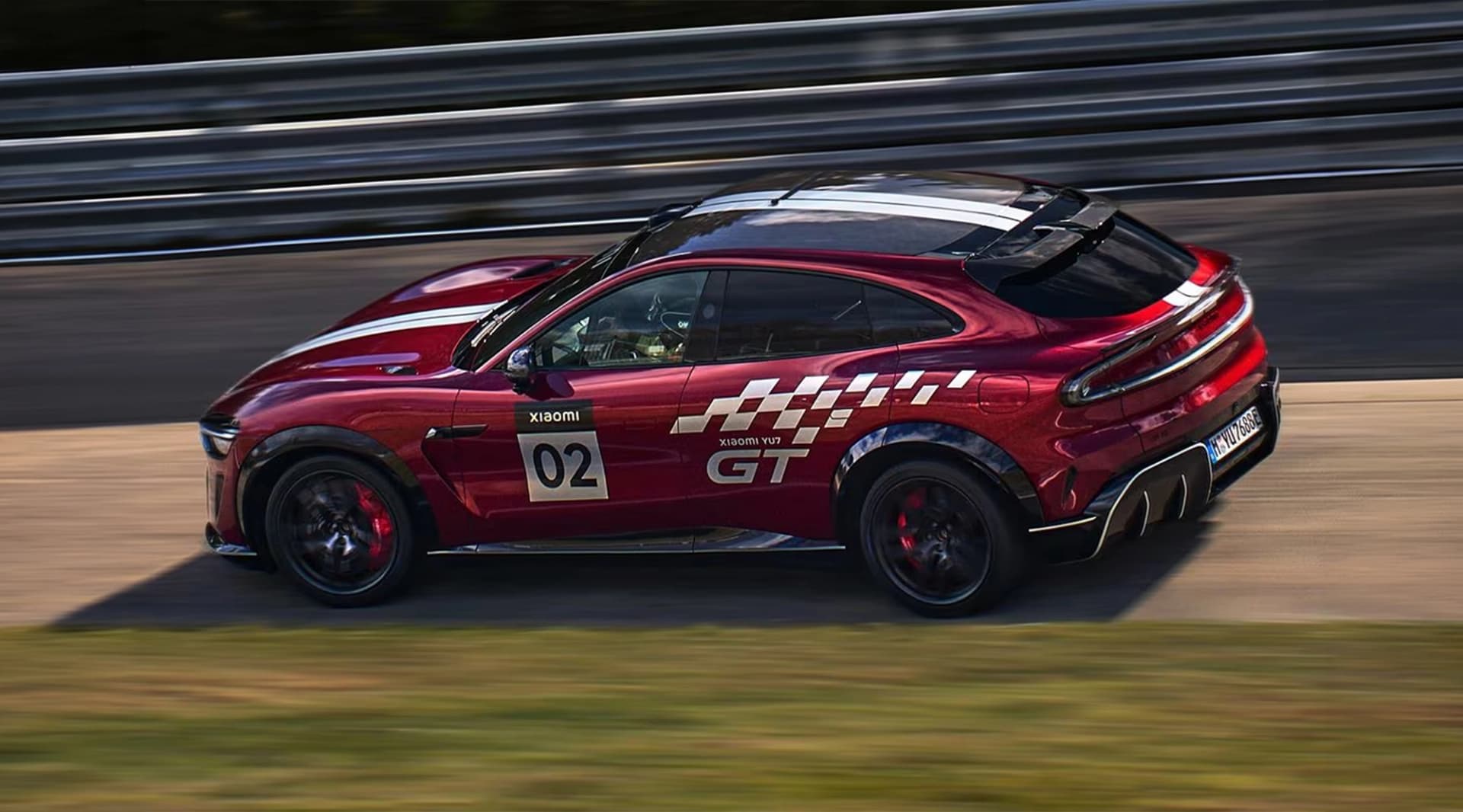
The RX is an all-electric coupe-SUV from Luxeed, the brand born of a partnership between Chery and Huawei. At 5,020 mm long it is almost exactly the size of the Ferrari Purosangue it so openly echoes, right down to the low-slung roofline and the wheelbase. It is not even the first Chinese car to chase that template, arriving hot on the heels of the Xiaomi YU7 and its own Ferrari-SUV impression. What sets the Luxeed apart is not the copy, it is the pedigree behind it.
The talent is the real story
The RX was designed by Werner Gruber, a former senior exterior designer at Ferrari whose portfolio includes the LaFerrari, the FXX-K and the Portofino, after earlier spells at Pininfarina and Saleen. Ferrari's Chinese arm was reportedly sceptical enough to challenge Luxeed to name its claimed Ferrari designer; Luxeed simply did. And Gruber is not the only European hire. Former Aston Martin CEO and ex-AMG chief Tobias Moers has signed on as chief dynamic performance advisor, alongside ex-BMW engineers. This is the shift that matters: China is no longer just imitating European supercars, it is hiring the people who built them.
Huawei tech and serious hardware
The engineering backs up the ambition. Entry cars use a single rear motor with 371 hp, while the dual-motor all-wheel-drive version produces 586 hp. Battery options run from 81.1 kWh to just over 100 kWh, with a headline range of up to 852 km on China's optimistic CLTC cycle. Huawei supplies the underpinnings, from its Turing platform and DriveOne drive system to a driver-assistance suite with 38 sensors and four lidar units. There is adaptive air suspension, six-piston front brakes, and even a physical boost button that adds ten percent more torque, and Luxeed claims the car completed an evasive lane change at more than 250 km/h during testing.
The price is the punchline
Pre-orders opened on 20 August from around 299,800 yuan, roughly 39,000 euros, which places the RX just above the Xiaomi YU7 and a world away from any Western performance EV, never mind an actual Purosangue. Luxeed needs it to land, too: its previous R7 saw deliveries collapse from over 10,000 cars last November to under 800 by July, so the RX is very much a reset. There is no word on a European launch, and given how cautious the market already is about new Chinese brands, that may take a while.
AutoNext Take
It is easy to sneer at yet another Chinese Purosangue lookalike, and the styling really is shameless. But the eye-rolling misses the actual news. Copying a shape is old hat; hiring the designer who shaped the LaFerrari, the executive who ran Aston Martin and a bench of ex-BMW engineers is something else entirely. This is China buying credibility rather than borrowing it, and doing so at a price that makes the European originals look almost eccentric.
Ferrari has nothing to fear from a single 39,000 euro electric SUV. What the establishment should study is the template: take a revered European shape, recruit the Europeans who created the originals, wrap it all in Huawei software and sell it for a fraction of the price. The Luxeed RX may never turn a wheel on a European road, but the recipe behind it is already travelling, and that is the part Stuttgart, Maranello and Munich cannot photocopy their way out of.