McLaren ran its Le Mans car for 30 hours and nothing broke
Le Mans is not won in August. It is very often lost here.
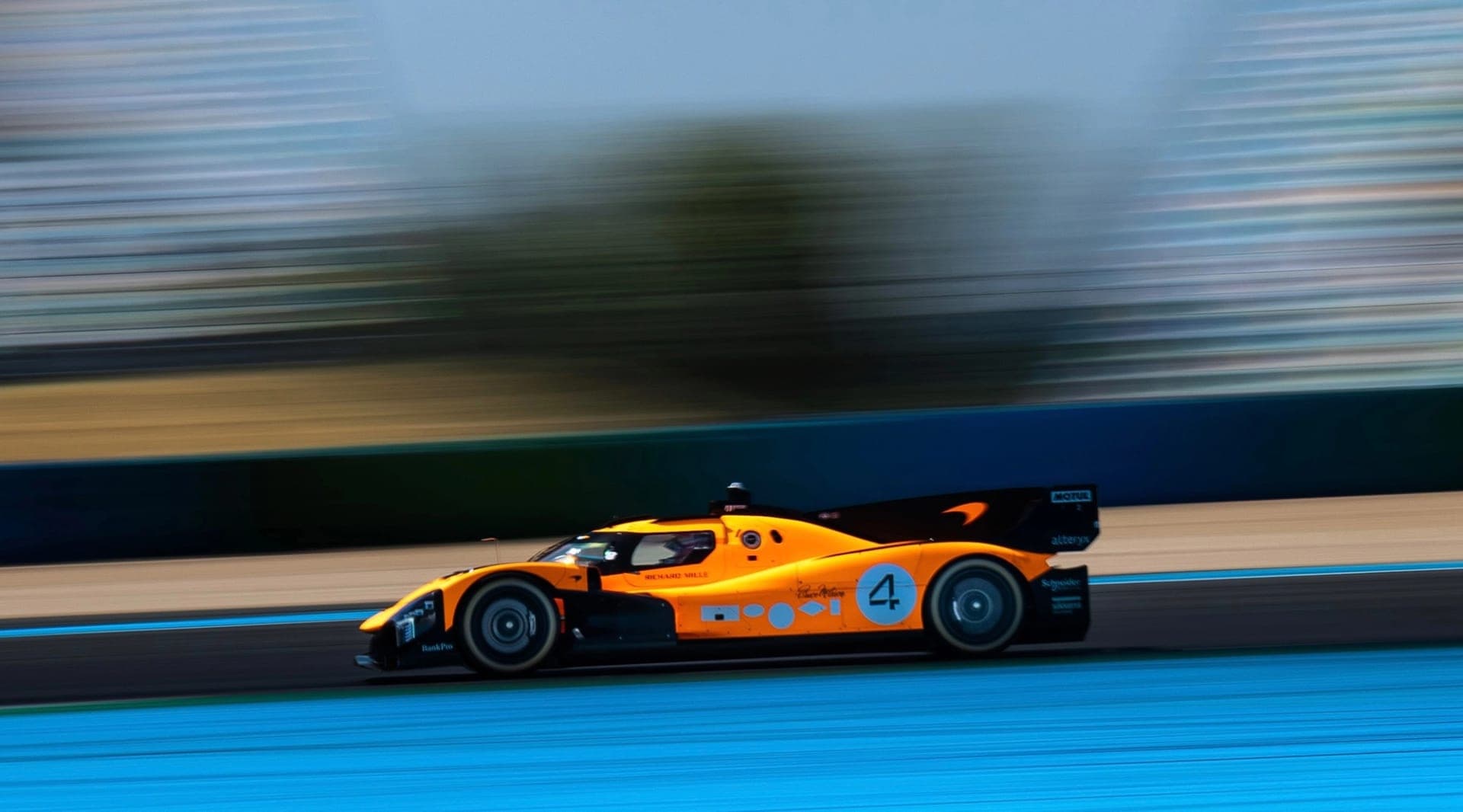
McLaren's MCL-HY spent more than 30 hours running at Motorland Aragon in a test designed to break it. It did not break. For a car that turned its first laps in May, run by a team that did not exist eighteen months ago, that is the most encouraging sentence anyone at Woking has read all year.
The 2027 World Endurance Championship is still a season away. Reliability, though, is bought now, in Spanish summer heat, with nobody watching.
Thirty hours, and nothing that stopped the show
The brief was simple and unforgiving: run the car as though it were racing. No long garage stops to hunt down problems, only quick pit stops for system checks before going straight back out. Team boss James Barclay says the crew went past the 30-hour target rather than stopping neatly on it, and that the car came through without a single show-stopper.
Thirty hours matters because Le Mans is never really 24 hours. It is 24 hours at the end of a week of practice, qualifying and warm-up, on a car that has already been worked hard. Simulating the race alone flatters a prototype. Running well past it does not.
Barclay's own summary is more measured than the result deserves. The team has an outline of a painting, he says, and is busy colouring it in.
The engine nobody else could be bothered to build
Behind the driver sits a 2.9-litre twin-turbo V6 developed with Italian specialist AutoTecnica Motori, and it is the detail that sets this programme apart from most of the 2027 field. LMDh rules allow a manufacturer to adapt something it already has on the shelf, and most of them do. Ford is leaning on a V8 derived from its Coyote road-car engine. McLaren started from nothing.
That route costs more and takes longer. It is also the only way to end up with an engine shaped around the car instead of the car shaped around the engine. Everything else follows the class formula: a Dallara-built chassis, the spec hybrid system every LMDh car shares, and McLaren's own aerodynamics laid over the top, for a combined figure of roughly 700 hp driving the rear wheels.
Five circuits, a hundred people and one single chassis
The build-up has been deliberate. A shakedown at Varano in May, then Imola, Magny-Cours, Aragon for the endurance run, and three days at Silverstone straight after it. McLaren is still running a single chassis on purpose, and will keep doing so until it trusts the specification enough to commit to more. A Dynisma simulator has been turning since late June. Close to 100 people now work on the programme, pulled from Formula 1, Formula E and sportscar racing, which is a management problem long before it is an engineering one.
Mikkel Jensen, Laurens Vanthoor, Ben Hanley, Gregoire Saucy and Richard Verschoor shared the Aragon running, and Vanthoor's signature was the moment this project started to look serious. More drivers are signed but held back while existing contracts unwind. Homologation is targeted for the end of this season, and once that stamp lands the aerodynamic package is effectively frozen.
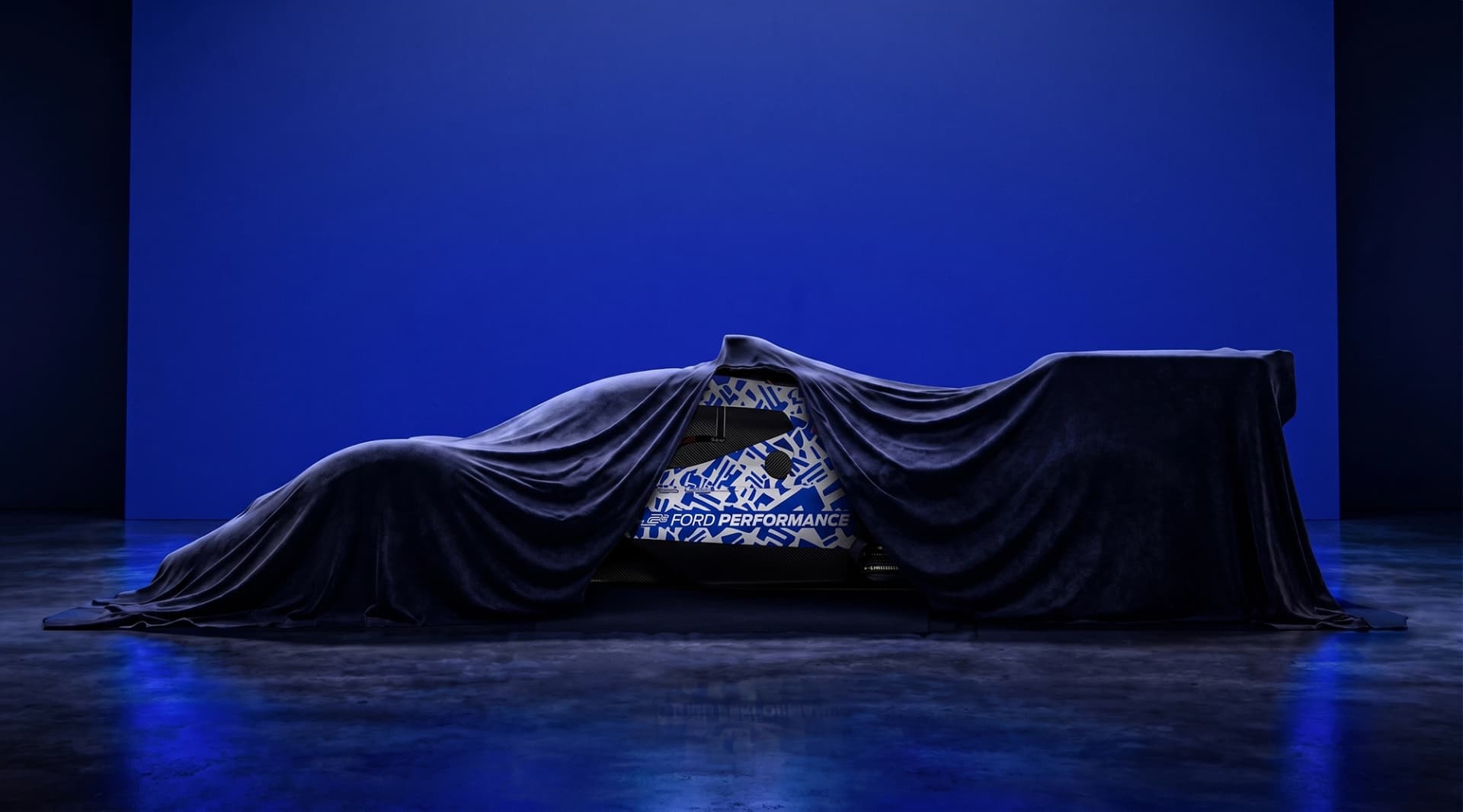
The class waiting for them is the most crowded top tier in decades. Ford's V8 has already fired up and turned laps, Peugeot is doubling down rather than walking away, Genesis and Aston Martin are already racing, and the 2027 calendar is the biggest the championship has ever run.
There is a version without the complicated bit
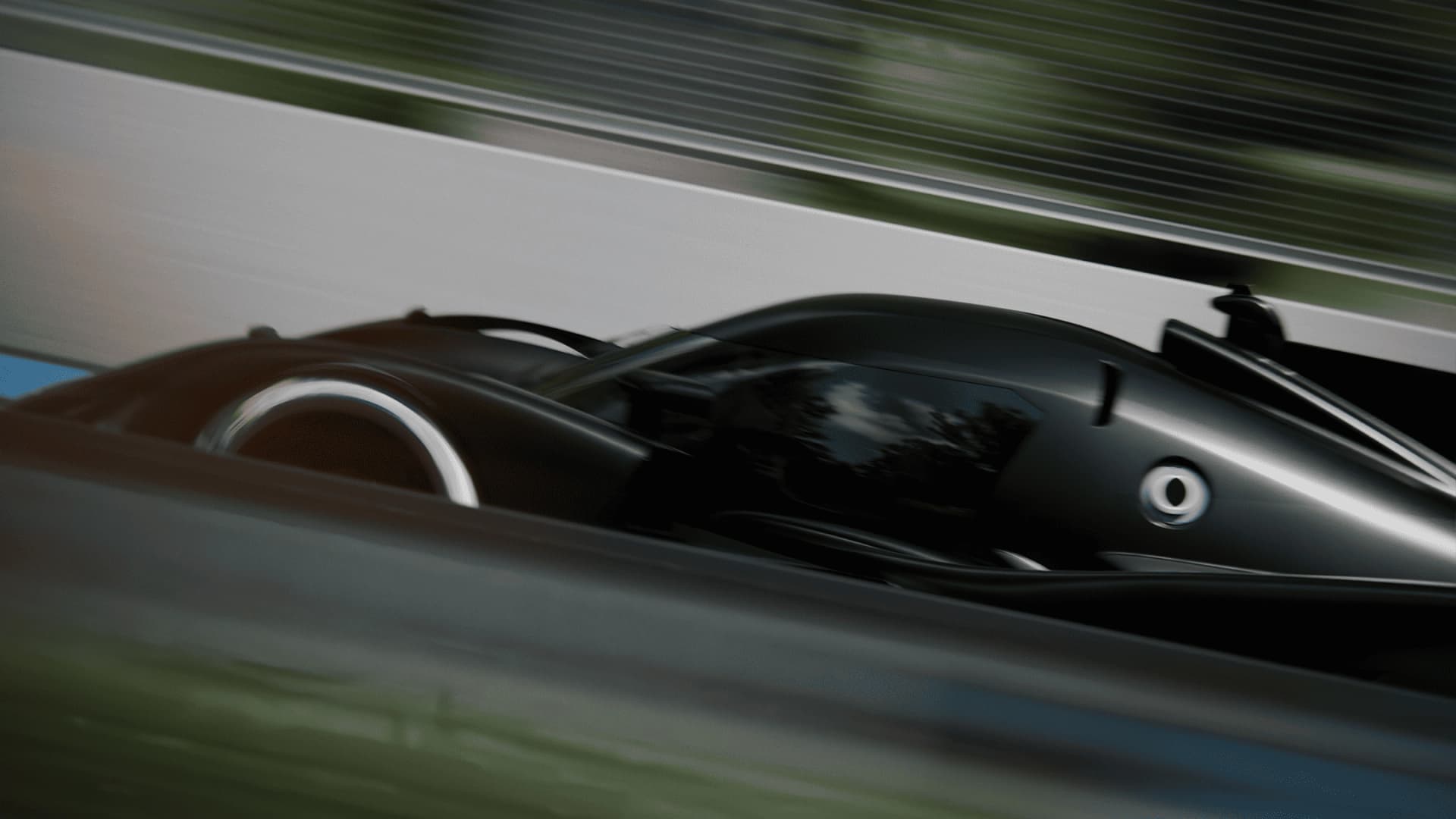
Alongside the race car sits the MCL-HY GTR, and it is the one road drivers should care about. It throws out the FIA-mandated hybrid system entirely and runs the 2.9-litre twin-turbo on its own, at around 730 hp, in a lighter car with no rulebook dictating how it behaves. It will never be eligible for anything. That is the point.
McLaren Automotive boss Nick Collins describes it as an FIA Hypercar experience made unusually accessible to track drivers. Put less politely, it is a Le Mans prototype with the heaviest and most fragile part deleted, which is close to what most people who have driven both would order if anyone asked them.
AutoNext Take
The temptation is to read 30 clean hours as proof that McLaren will win Le Mans in 2027. It is not. It is proof of something less glamorous and far more useful: this programme is not going to embarrass itself. Half the manufacturers who have entered this class over the past decade spent their first season learning in public what breaks on their car. McLaren appears to have done that homework in a Spanish summer instead of in front of 300,000 people.
And the history is doing real work here. McLaren won Le Mans at its first attempt in 1995 with a road car it never set out to race, then spent thirty years not going back. Returning with a purpose-built prototype and an engine built from scratch is the harder way to do it. It is also the only way that would mean anything.