McLaren confirms an SUV, ten years after saying it ticked no boxes
McLaren built 2,000 cars in 2025 against a 6,000-car plan, and the SUV won
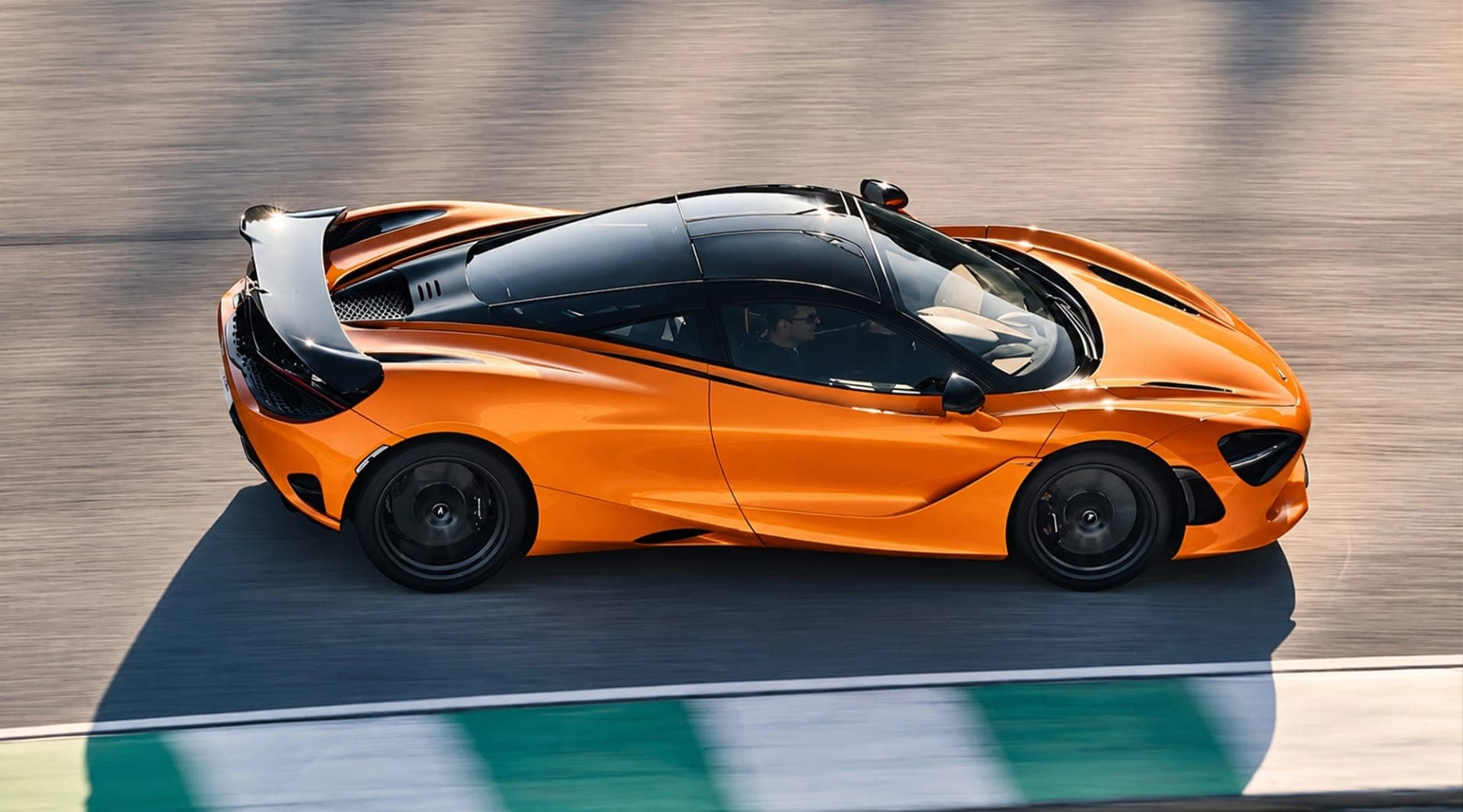
McLaren will build a performance SUV in Britain before 2030, funded by £500 million from L'IMAD, the Abu Dhabi sovereign investor that owns the company. It is the first front-engined McLaren, the first with an in-house engine, and the first car to break the rule the brand repeated at every motor show for a decade. Woking built around 2,000 cars in 2025. The 2018 plan called for 6,000.
£500 million from L'IMAD funds a second assembly line and 1,000 jobs by 2032
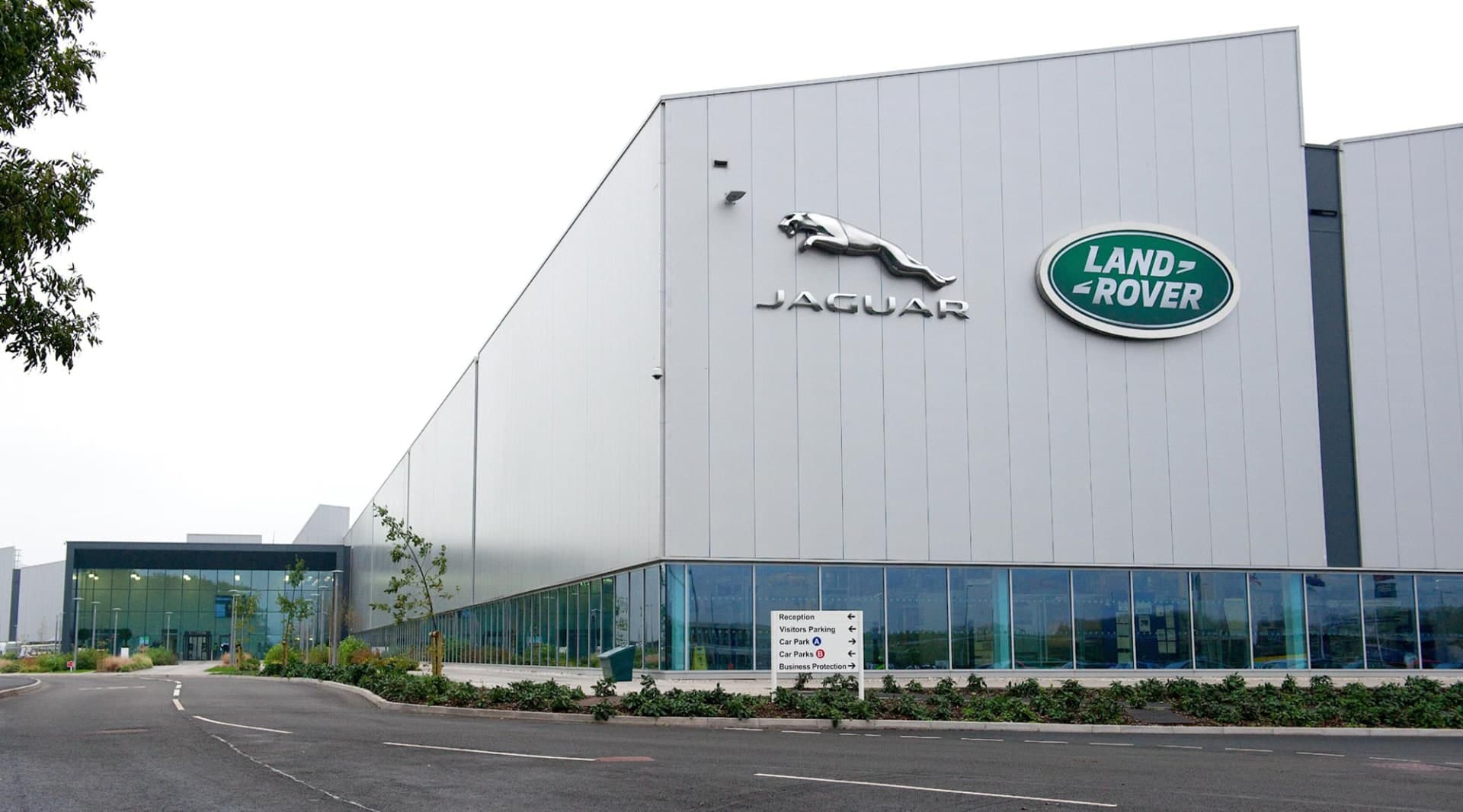
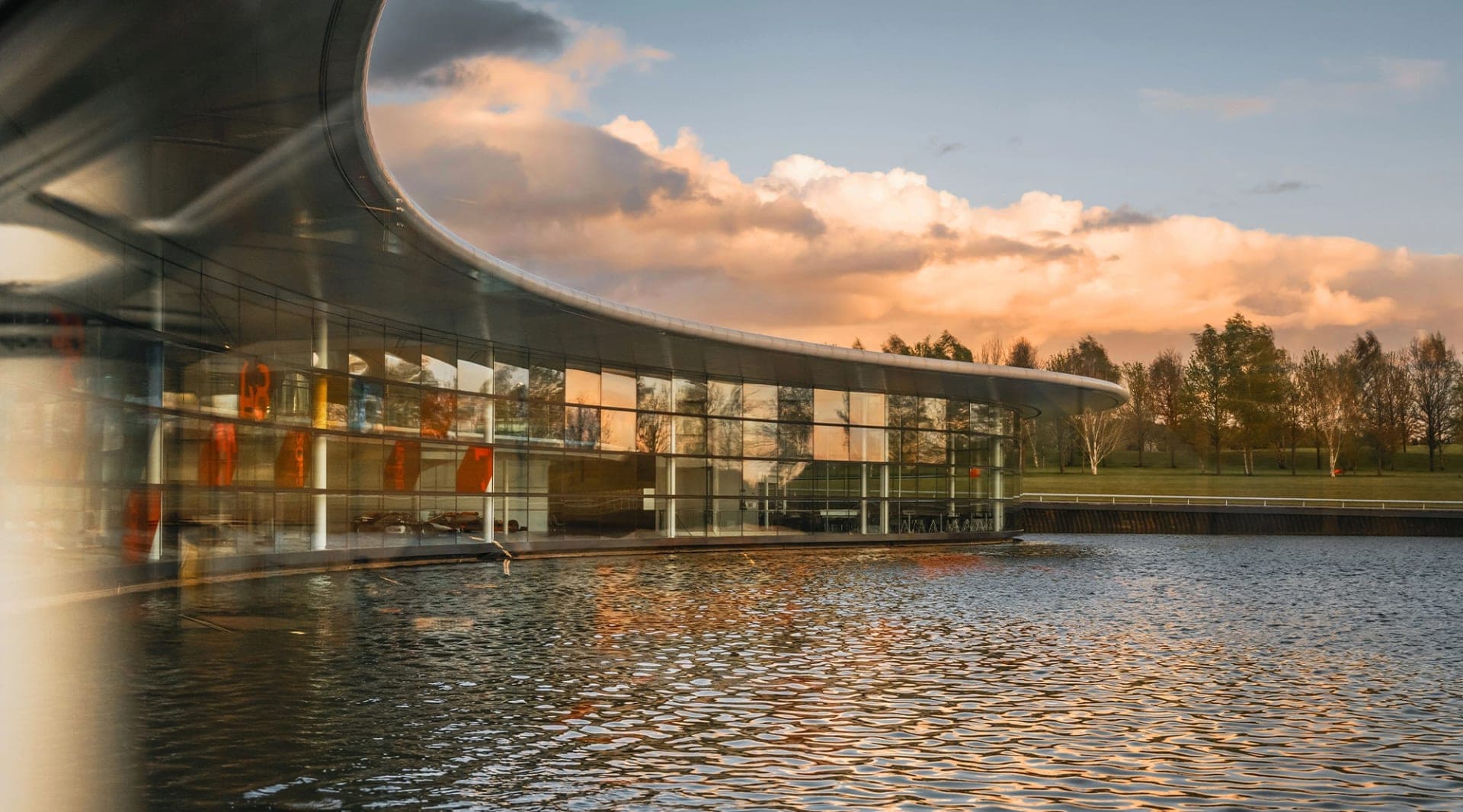
The investment creates at least 1,000 direct jobs across McLaren's UK operations by 2032, with up to 3,000 more expected in the supply chain. It pays for a new vehicle assembly facility, at a site McLaren has not named, alongside the existing production centre in Woking, which stays. The composites centre in South Yorkshire that makes every carbon tub will almost double in size, and the Bicester design studio and MIRA test site inherited from Forseven, the EV start-up McLaren absorbed in early 2025, are folded into the plan. L'IMAD took over CYVN Holdings, which bought McLaren from Bahrain's Mumtalakat in late 2024. The timing is pointed: Jaguar Land Rover announced 4,000 job cuts earlier this month, and chief operating officer Michael Straughan says McLaren will reach out to those workers, while conceding that not everybody travels well from the Midlands to Surrey.
The SUV is due before 2030 and could be the first built on a carbon tub
Straughan describes the car as front-engined, with four-wheel drive or possibly rear-wheel drive, and says the body structure is still open. Every rival in the class, from the Aston Martin DBX to the Ferrari Purosangue, uses aluminium; McLaren is weighing a carbon tub, which would be a first and brings its own problems of refinement, cost and repairability. Development is early, but the launch is held to this side of 2030. The reason is on the scoreboard. Lamborghini delivered 10,747 cars in 2025 and the Urus was more than half of them, so a single Italian SUV outsells McLaren's entire range by better than two to one. Straughan puts McLaren's volume at about half of Aston Martin, the next name up the table, and will not name a target. The same architecture opens the door to a front-engined grand tourer, which he calls an opportunity rather than a plan.
In 2016 Mike Flewitt said an SUV ticked none of McLaren's three boxes
At the 2016 Geneva show, with £1 billion and 15 new models to announce, CEO Mike Flewitt set out the three tests for any McLaren: consistent with the brand, the best driver's car in its market, and profitable. An SUV, he said, ticked none of them. Two years later he told Top Gear there were more than enough SUVs in the world, and the Track25 plan of 2018 promised 6,000 cars a year by 2025 without one. McLaren sold 4,806 cars in 2018, its record. In 2025 it built around 2,000, and more than half went to the United States, the market where every rival's SUV does its heaviest lifting.
Two in-house engines end 15 years of Ricardo-built McLaren V8s and V6s
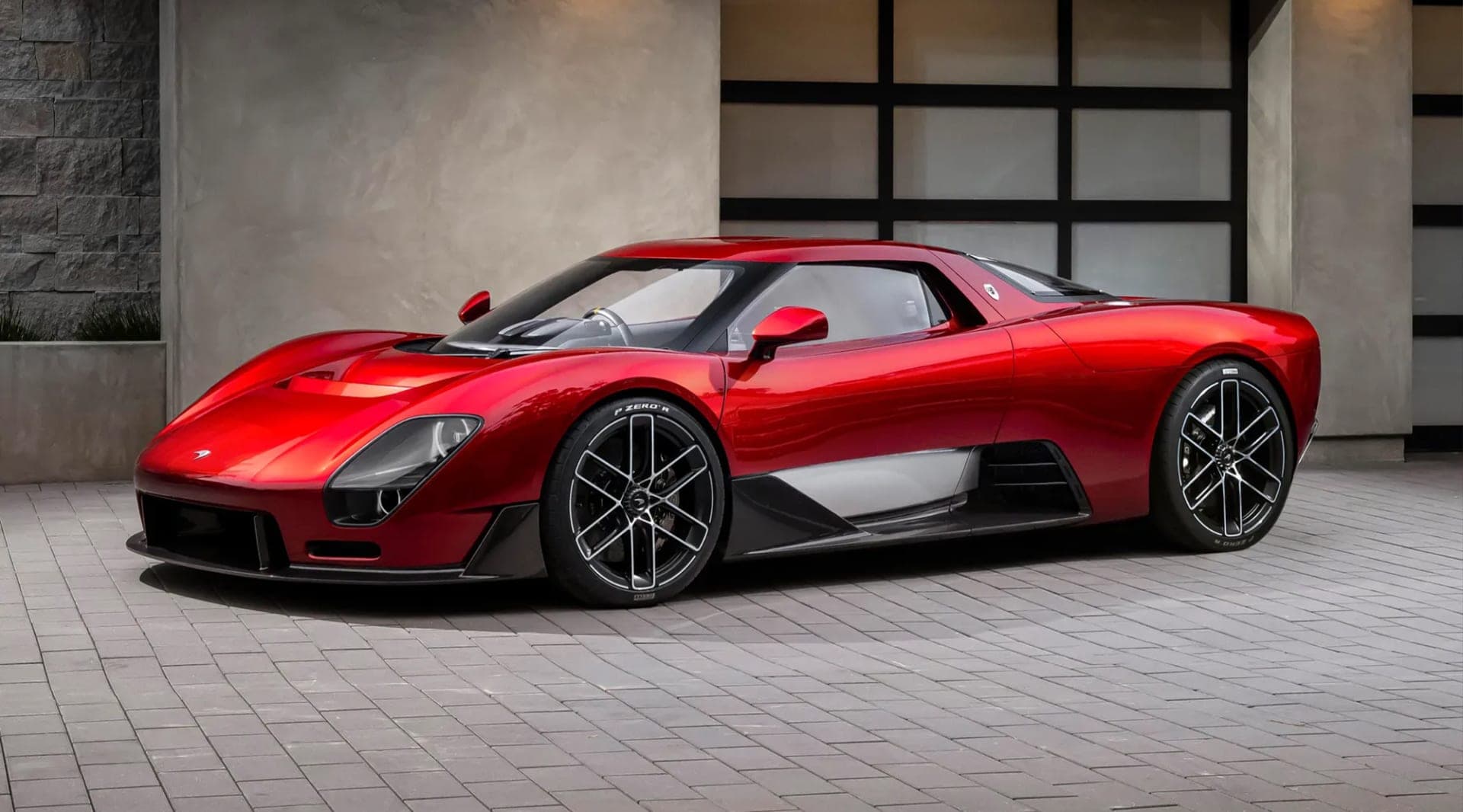
Every core McLaren since the 12C of 2011 has used an engine designed with and built by Ricardo in Shoreham. That ends. McLaren will design and build two new engines and matching transmissions itself, both hybrid, and Straughan says the starting point is the current V8 or its next generation. Ricardo stays on other engineering work but stops shipping engines to Woking. The reshuffle already has a casualty: Automotive News reports, citing a person briefed on the plans, that the Artura and its V6 will be dropped in 2028, six years after deliveries finally began. McLaren has not confirmed it. The mid-engined cars carry on in Woking without a production pause, and Straughan calls the manual gearbox in the McL 6GT a masterstroke, while stopping short of promising it in a core model.
No electric McLaren yet, and Nio parts are on the table
An electric McLaren is inevitable, in Straughan's words, but not now: the reception for EVs in this segment is poor and McLaren cannot afford a mistake with the product. That is a reversal of sorts, because Forseven was developing an electric SUV when McLaren absorbed it. L'IMAD is also a shareholder in Nio, and Straughan calls the Chinese EV maker an incredibly important partner, adding that the days of a small car maker developing a car entirely on its own intellectual property are gone. Expect shared components. The line-up he describes has three lanes: the mid-engined supercars, the SUV and its front-engined derivatives, and the Ultimate Series above them.
AutoNext Take
Flewitt's three boxes were the right test, and McLaren has quietly changed the answer to one of them. An SUV is still not the best driver's car in its market and still not something the brand has history in. What it does now, on Lamborghini's numbers, is make money, and at 2,000 cars a year against a 6,000-car plan the third box outweighs the other two. The £500 million is not a bet that the SUV will be a great McLaren. It is a bet that a McLaren badge sells 3,000 more cars a year.
The carbon tub is where this gets decided, and Straughan's own list of problems, refinement, cost and repairability, reads like a case against it. Our expectation is an aluminium structure, announced with the car before 2030, and the first in-house engine appearing under the bonnet of a mid-engined car before it appears in the SUV. If McLaren ships a carbon-tubbed SUV on schedule, it will have done something Ferrari and Lamborghini judged not worth doing, and that would be the McLaren answer to Flewitt's first box.
Follow us on Google News.
Set AutoNext as your preferred source on Google Discover.