Nissan is back in profit, but the recovery is built on cuts, not sales
One of the industry's biggest patients has a pulse again
For two years Nissan has been one of the great worry stories of the car world, bleeding money and cutting hard just to stay standing. So its latest results are genuinely good news: the company is back in the black. But read past the headline and a more sober picture appears. Nissan has stopped the bleeding, but it has not yet started growing, and there is a big difference between the two.
The numbers behind the turnaround
For the quarter ending in June, its first of fiscal 2026, Nissan reported a net profit of 3.8 billion yen. That is a small figure in isolation, but the context is everything: a year earlier the company lost a colossal 115.8 billion yen over the same three months. The operating line tells the same story, swinging from a 79.1 billion yen loss to a 77.9 billion yen profit, an improvement of some 157 billion yen year on year. After the recent run of losses, simply seeing a plus sign is a milestone.
It is the Re:Nissan plan doing the work
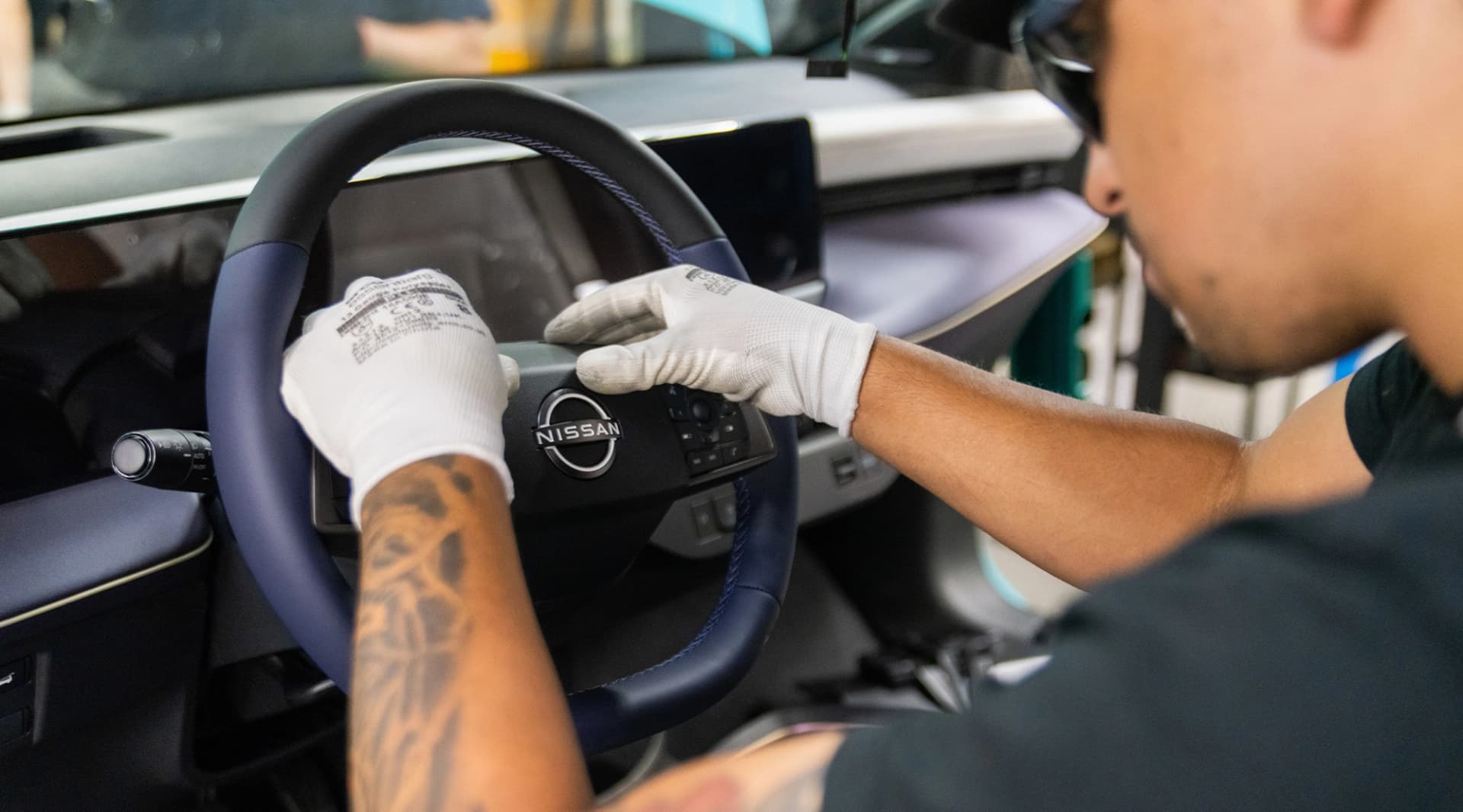
The crucial detail is how the profit was made. This recovery is built on cost-cutting, not on selling more cars. Nissan's Re:Nissan restructuring programme delivered around 60 billion yen of savings in the quarter alone, mainly by squeezing costs across manufacturing, purchasing and research and development, and the plan is targeting a huge 500 billion yen in cost reductions across the full year. Revenue did rise, but underlying demand is still soft; the company even trimmed its full-year sales target to 3.15 million vehicles, blaming weakness in China.
Where Europe fits in
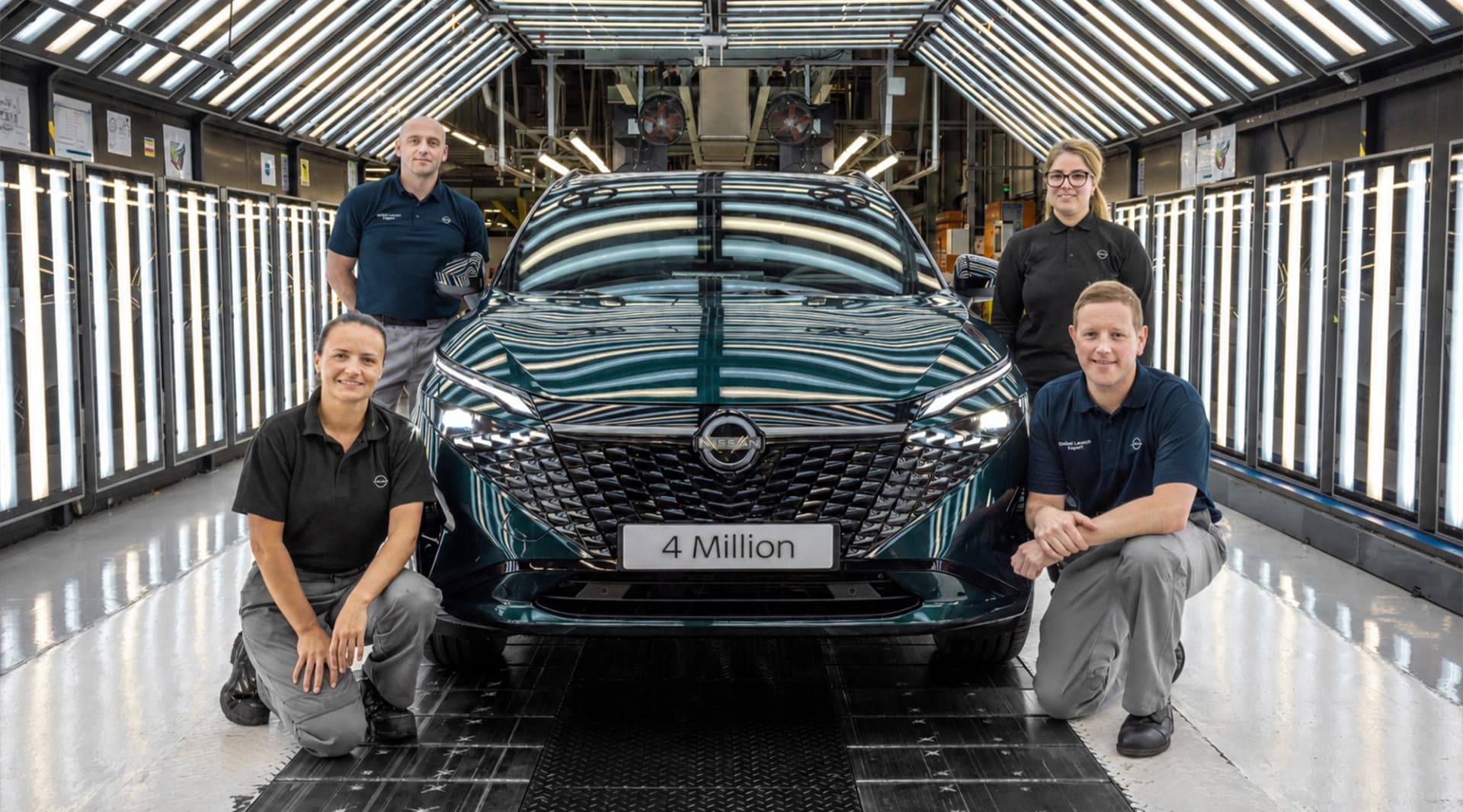
For European drivers and workers, this matters more than a set of Japanese accounts might suggest. Nissan builds cars in the UK at its huge Sunderland plant and leans heavily on European staples like the Qashqai and Juke, so the health of the wider group directly affects jobs and future models on this side of the world. A company that is stable rather than sinking is far more likely to keep investing in the plants and products Europe relies on. Nissan reaffirmed its full-year guidance, a sign it believes the plan is holding.
AutoNext Take
This is real progress and it should not be waved away, but nobody at Nissan will be popping champagne. You can only cut your way to profit for so long before you have to start winning customers again, and that is the part the numbers cannot yet prove. Trimming costs stops the losses; it does not fix an ageing line-up, weak momentum in China or the relentless pressure from cheaper, sharper Chinese rivals. Nissan has bought itself time, which after the last two years is no small thing, but time is all it has bought.
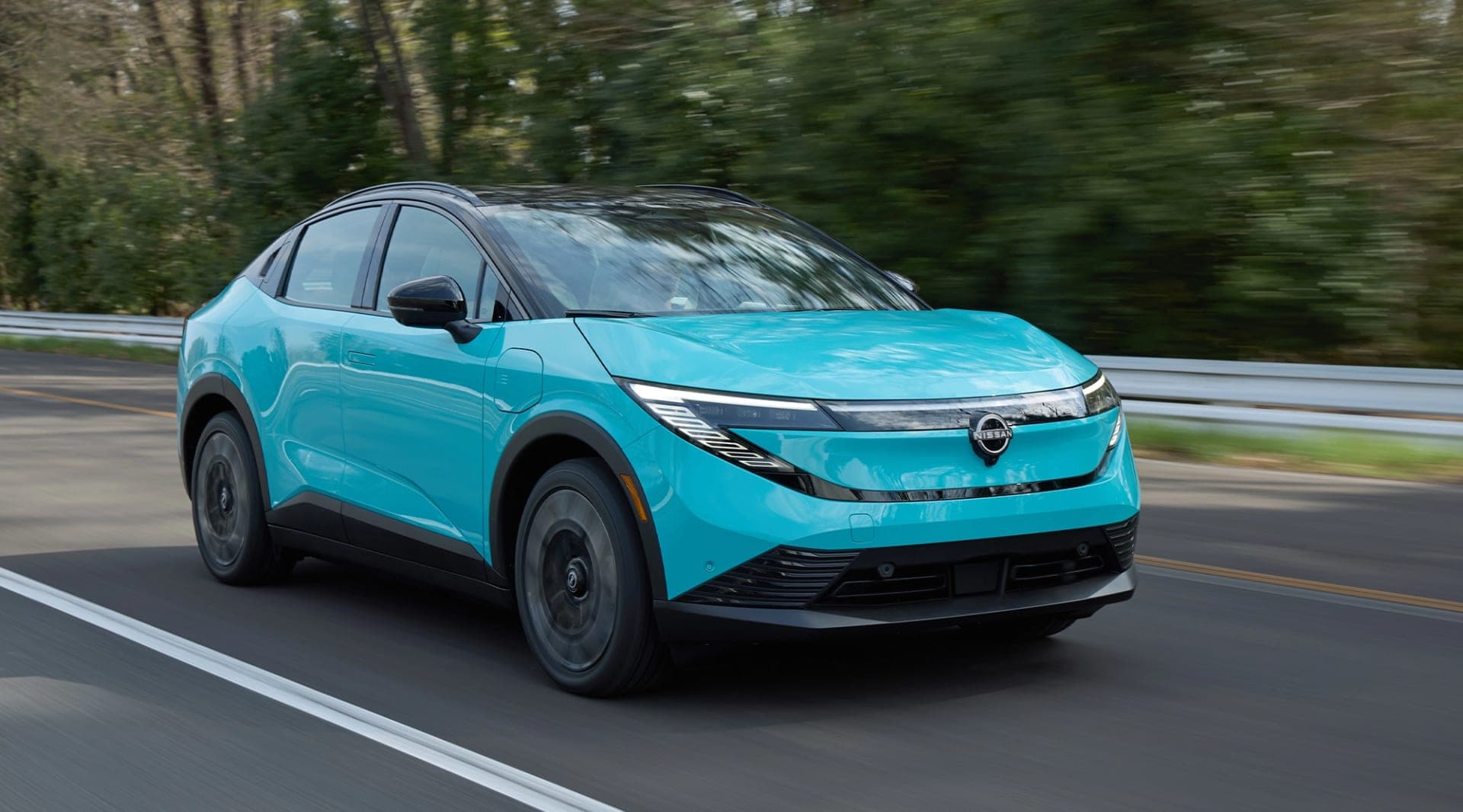
The real verdict will come from the showrooms, not the spreadsheet. If the next wave of models arrives on schedule and actually tempts buyers, this quarter will look like the moment the recovery took hold. If they slip or underwhelm, a profit built almost entirely on savings will start to look fragile very quickly. For now, the sensible reading is the one Nissan itself offers: a meaningful step, definitely, but a long way from the finish line.