The most powerful Corsa ever is real, and it has a proper limited-slip diff
An 820 kg hatch made 100 hp in 1988. This one nearly triples that
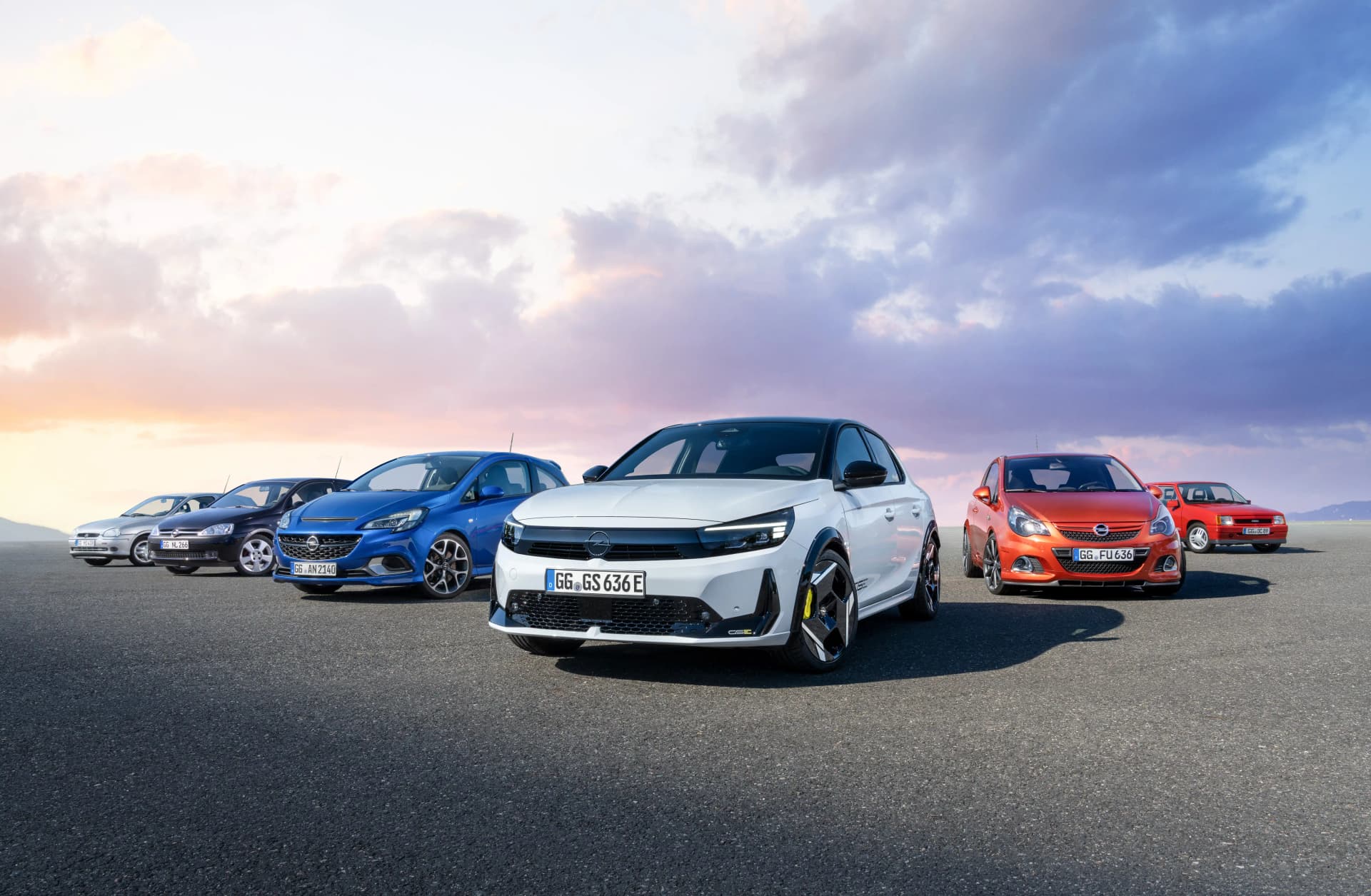
We covered the Corsa GSE when Opel first showed its hand, and it has now been confirmed for production with the full specification attached. It is fully electric, it makes 280 hp, and crucially it has been given the mechanical hardware to actually use it rather than just the badge. Opel calls it the most powerful production Corsa ever built, and the number backs that up.
The figures
The Corsa GSE produces 280 hp and 345 Nm, drives the front wheels only, and covers 0 to 100 km/h in 5.5 seconds. It is fully electric, and it sits well clear of anything Opel has previously put a Corsa badge on. For a supermini, that acceleration figure is genuinely quick rather than merely brisk.
The hardware that matters
This is where the car earns its GSE badge. There is a Torsen multi-plate limited-slip differential, which is the single most important item on the list, because putting 280 hp and 345 Nm through the front axle without one is a recipe for wheelspin and torque steer. On top of that sits a low-profile sport chassis with specially developed axles, stabiliser bars and hydraulic dampers, GSE-specific steering and throttle calibration, four-piston brakes and 18-inch performance wheels. It is a proper mechanical package rather than a software power bump.
The context Opel wants you to have
Opel is drawing a straight line to 1988. The original Corsa GSi made 100 hp, weighed just 820 kg and needed around 9.5 seconds to reach 100 km/h. The new GSE nearly triples the power and is roughly four seconds quicker to the same speed. The obvious counterpoint is weight, because an electric supermini carries a battery the GSi never had, and Opel is quietly not quoting the new car's kerb weight.
The platform it shares
The GSE shares its platform and powertrain with the Peugeot e-208 GTI and the electric Lancia Ypsilon, with each brand tuning and styling its version differently. That is standard Stellantis practice, and it is the reason three of the group's brands can each field a hot electric supermini without three separate development budgets.
When you can see it
The production car arrives later in 2026, with its public debut at the Paris Motor Show in October. Opel has not disclosed pricing, and that is the figure that will decide whether the mechanical effort translates into sales or stays an enthusiast talking point.
AutoNext Take
The differential is the whole story here. Any manufacturer can give an electric motor a bigger number, and most fast EVs are quick in a straight line and inert everywhere else. Fitting a Torsen limited-slip diff, bespoke axles and proper dampers to a front-drive electric supermini is a decision to make it handle rather than just accelerate, and it is exactly the decision that justifies reviving the GSE name. Whether it is any good depends on the tuning and the weight, but Opel has at least spent the money in the right place, which is more than most electric hot hatches can say.