Opinion: The 2026 F1 Regulations Were a Disaster Waiting to Happen
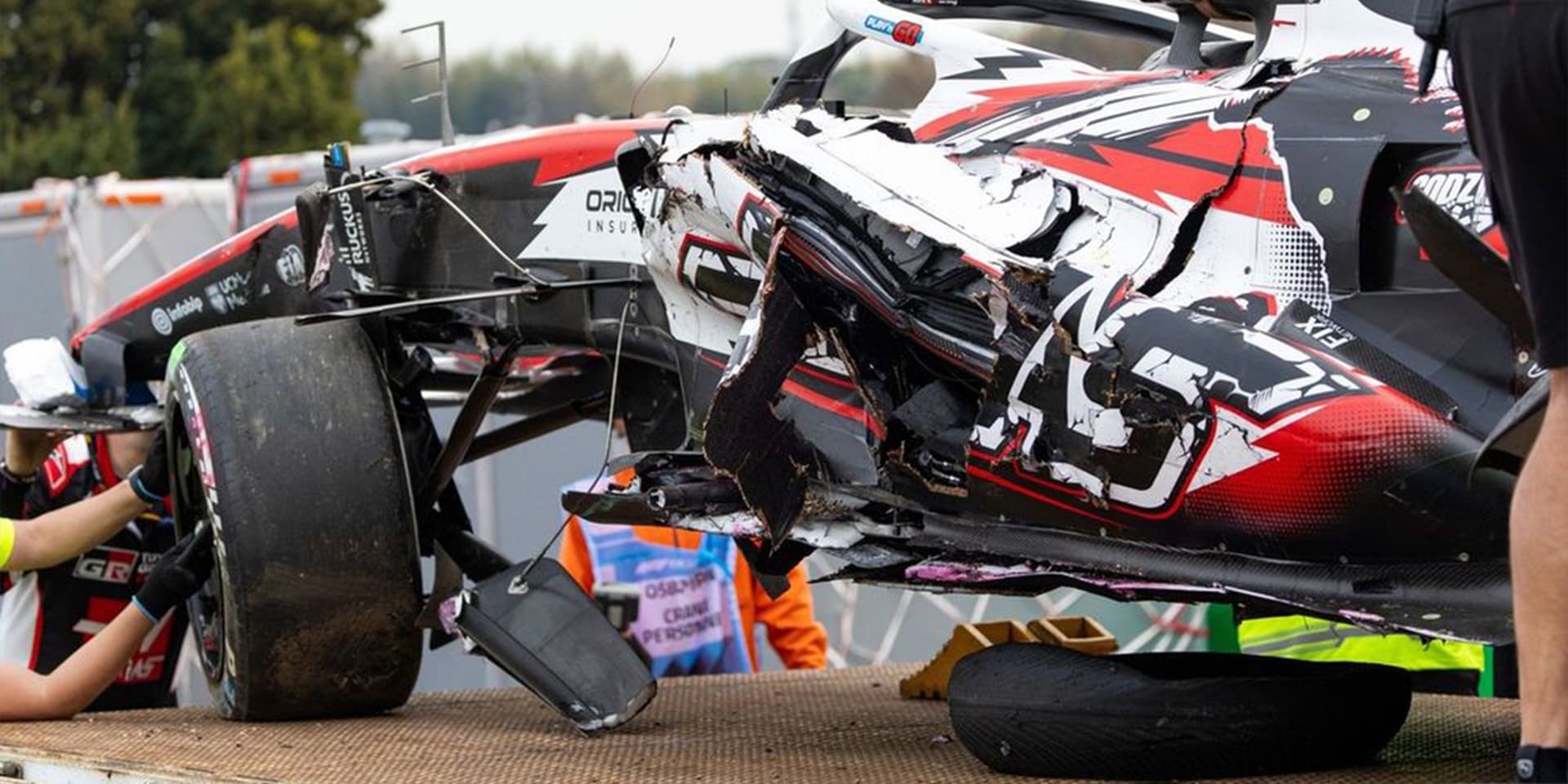
The crash of Oliver Bearman at the Japanese Grand Prix has reignited a debate that has been simmering for years.
His 50G impact was not just another racing incident. It was a direct consequence of a regulatory direction that many within Formula 1 had already warned against.

Bearman’s accident was triggered by a car ahead dramatically slowing on the straight to harvest energy. This is not an isolated quirk of racing. It is a fundamental flaw in the philosophy behind the upcoming 2026 power unit regulations. When drivers are forced to compromise racing instincts in order to manage energy recovery to such extremes, the sport has a big problem.
Warnings about this exact scenario have been raised since 2023. World champion Max Verstappen has been vocal about the unnatural driving these rules would produce. Red Bull team principal Christian Horner echoed those concerns, highlighting the risk of cars behaving unpredictably in high-speed situations. These were not exaggerated fears. They were grounded in a deep understanding of how modern Formula 1 cars operate at the limit.
F1 compromised
At the heart of the issue lies a confused and compromised vision for the future of Formula 1. The original concept for the 2026 regulations had merit. A more balanced 50/50 split between internal combustion and electric power was seen as an ambitious step forward. Crucially, this plan included the introduction of an electric motor on the front axle. This would have significantly increased energy recuperation under braking, addressing one of the key limitations of the current generation of cars.
Energy recovery systems were already operating near their maximum potential under the previous regulations. Without a front axle motor, extracting more energy becomes a challenge that inevitably spills over into on-track behavior. Instead of harvesting energy efficiently under braking, drivers are now forced into awkward and dangerous scenarios where they must lift off or slow down in unexpected places to recharge the battery.
So why was the front motor scrapped?
The answer lies in Formula 1’s ongoing struggle to please every stakeholder. Manufacturers had differing priorities and concerns. There was a particular fear that Audi, with its extensive LMP1 hybrid experience, would gain a significant advantage if the front axle motor were introduced. Rather than committing to a technically coherent solution, Formula 1 chose compromise.
The result is a regulatory framework that attempts to satisfy everyone but ultimately serves no one. The 50/50 power split was retained to keep manufacturers like Audi and Honda on board. However, the single most important component needed to make that split viable, the front electric motor, was removed. What remains is an incomplete system that places unrealistic demands on drivers and creates unpredictable racing conditions.
Bearman’s crash is a symptom of this flawed approach. When cars are forced to slow dramatically on straights to meet energy targets, the risk of high-speed collisions increases significantly. Drivers behind have little warning and even less time to react. In a sport where milliseconds matter, such inconsistencies are unacceptable. This resulted in a heavy crash, and Bearman was lucky he didn't get hurt badly. It's a testament to how safe these cars have become, but a 50 G crash due to compromised regulations should set off major warnings.
Formula 1 has always been a balance between innovation, competition, and safety. The 2026 regulations tip the balance in the wrong direction. By prioritizing political compromise over engineering integrity, the sport has introduced rules that undermine both racing quality and driver safety.
The solution is not simple, but it is clear. Formula 1 must return to a philosophy that values coherent design over universal appeasement. If a 50/50 power split is to work, it needs the proper technical foundation. Without it, the sport risks more incidents like Bearman’s and potentially far worse consequences.
The warning signs were there. The voices of drivers and teams were clear. Now, Formula 1 is beginning to see the cost of ignoring them.
What will happen now?
The FIA has released the following statement:
Since their introduction, the 2026 regulations have been the subject of ongoing discussions between the FIA, Teams, Power Unit Manufacturers, Drivers, and FOM. By design, these regulations include a number of adjustable parameters, particularly in relation to energy management, which allow for optimisation based on real-world data.
It has been the consistent position of all stakeholders that a structured review would take place after the opening phase of the season, to allow for sufficient data to be gathered and analysed. A number of meetings are therefore scheduled in April to assess the operation of the new regulations and to determine whether any refinements are required.
Any potential adjustments, particularly those related to energy management, require careful simulation and detailed analysis. The FIA will continue to work in close and constructive collaboration with all stakeholders to ensure the best possible outcome for the sport, and safety will always remain a core element of the FIA’s mission. At this stage, any speculation regarding the nature of potential changes would be premature. Further updates will be communicated in due course.
It seems as if they see it needs tweaking, but we don't know in what way yet. It might just be for the better that the next 2 races were cancelled, leaving a gap of over a month to the next race.
However, it's unlikely that there's a quick fix in the near future. With a lot of money invested into these regulations and them going on until at least 2029 and possibly even further. The question remains if this was all worth it to F1 and what the impact could be on F1's image in the near future.