Polestar is being forced out of the US, and Europe is the winner
A China-focused trade rule just cost the US one of its more interesting EV brands
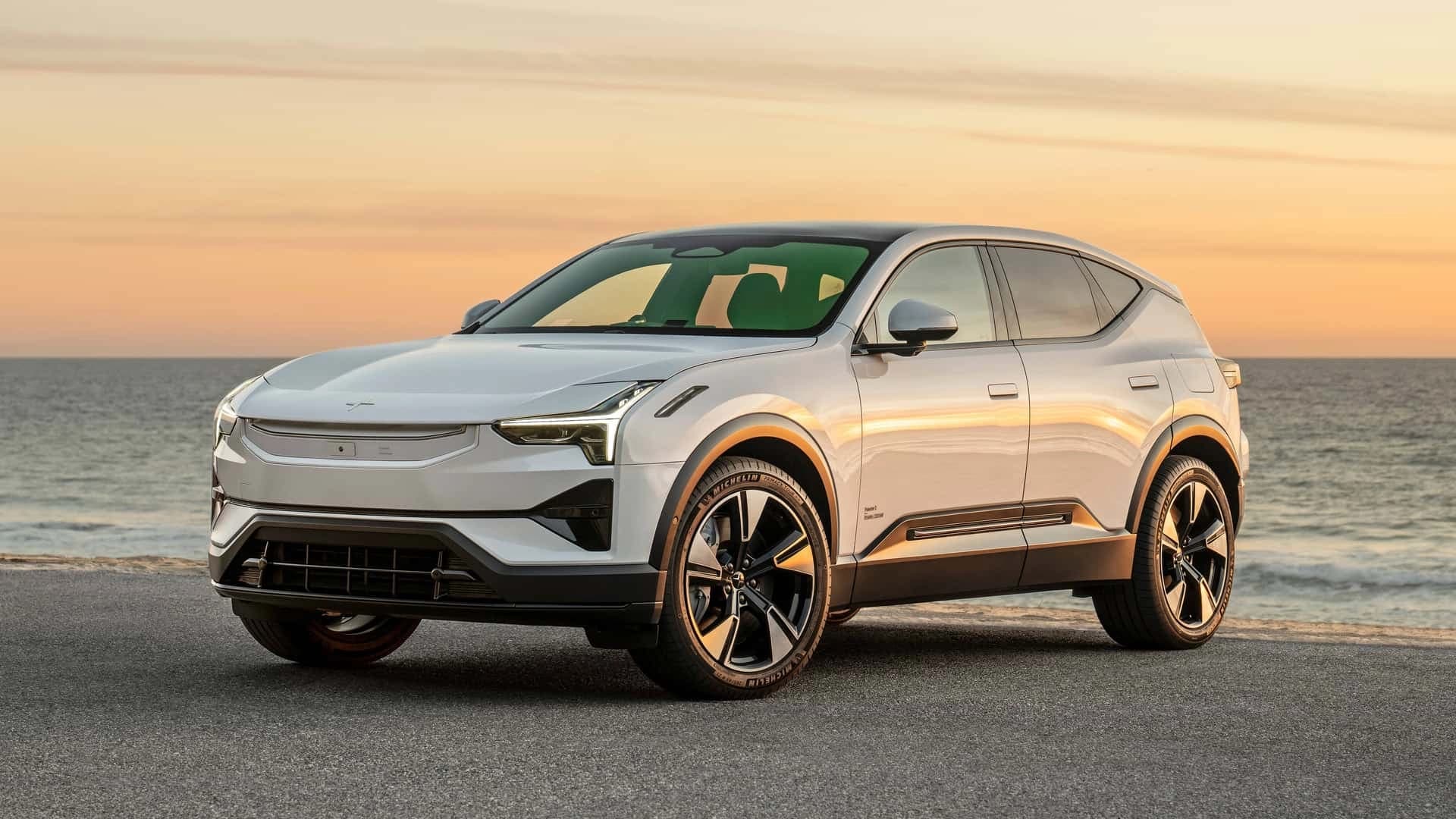
Polestar is pulling out of the United States. The Geely-owned, Swedish-rooted EV brand announced it will leave the American market after the 2027 model year, having been denied authorization under a US rule that restricts the sale of cars with Chinese connections. For Europe, where Polestar already does most of its business, it is quietly good news.
The rule that did it
The trigger is the Connected Vehicle Rule, a US Department of Commerce policy that restricts the sale of connected vehicles made by manufacturers owned by, controlled by or subject to the jurisdiction of China or Russia. Polestar is based in Europe but owned by Chinese giant Geely, and it had flagged concerns about the rule ever since it was first proposed in 2024. When the Commerce Department reviewed the brand, it declined to grant an exception, and that is effectively the end of Polestar's American chapter.
Volvo got through, Polestar did not
The most striking detail is that Volvo, which shares the same Geely parent, was granted authorization to keep selling connected cars in the US back in May. Polestar was not. The distinction matters: the Polestar 3 is actually assembled in the United States, at Volvo's plant in Charleston, South Carolina, while the Polestar 4 is built in Busan, South Korea. Despite that, the brand's Chinese ownership was enough to fall foul of the rule where Volvo did not.
What happens to the cars and owners
Polestar will sell off its remaining US stock of the Polestar 3 SUV and Polestar 4 crossover, and existing owners will keep full access to service stations and customer support. But from model year 2027, marketing and sales of new cars in the US will stop. The previously announced Polestar 5 grand tourer and Polestar 6 roadster will now never officially reach American buyers, a real loss given how good both promised to be.
Europe is the real focus now
Polestar is framing the exit as a strategic pivot rather than a defeat, and the numbers back it up. Close to 80 percent of its sales already happen in Europe, and that figure rose to 94 percent of first-quarter sales once all non-US markets were counted. CEO Michael Lohscheller put it plainly: "The automotive industry is entering a new phase, based on regional dynamics. Our strategy reflects that, with Europe being our largest growth engine, and our plan to manufacture Polestar 7 in Europe." He added that Polestar will keep investing in markets like Southeast Asia, Eastern Europe, Latin America and Canada.
AutoNext Take
This is a clear case of geopolitics deciding what cars people can buy, and American enthusiasts are the ones who lose out, losing access to a genuinely distinctive EV brand and the gorgeous Polestar 5 and 6 along with it. For Europe, though, the silver lining is real: Polestar is now an EV maker pouring almost all of its focus into our market, building the Polestar 7 here and treating Europe as its growth engine rather than a side project. We would rather Polestar did not have to choose, but if a brand this stylish is going to commit hard to anywhere, European buyers will happily take it.