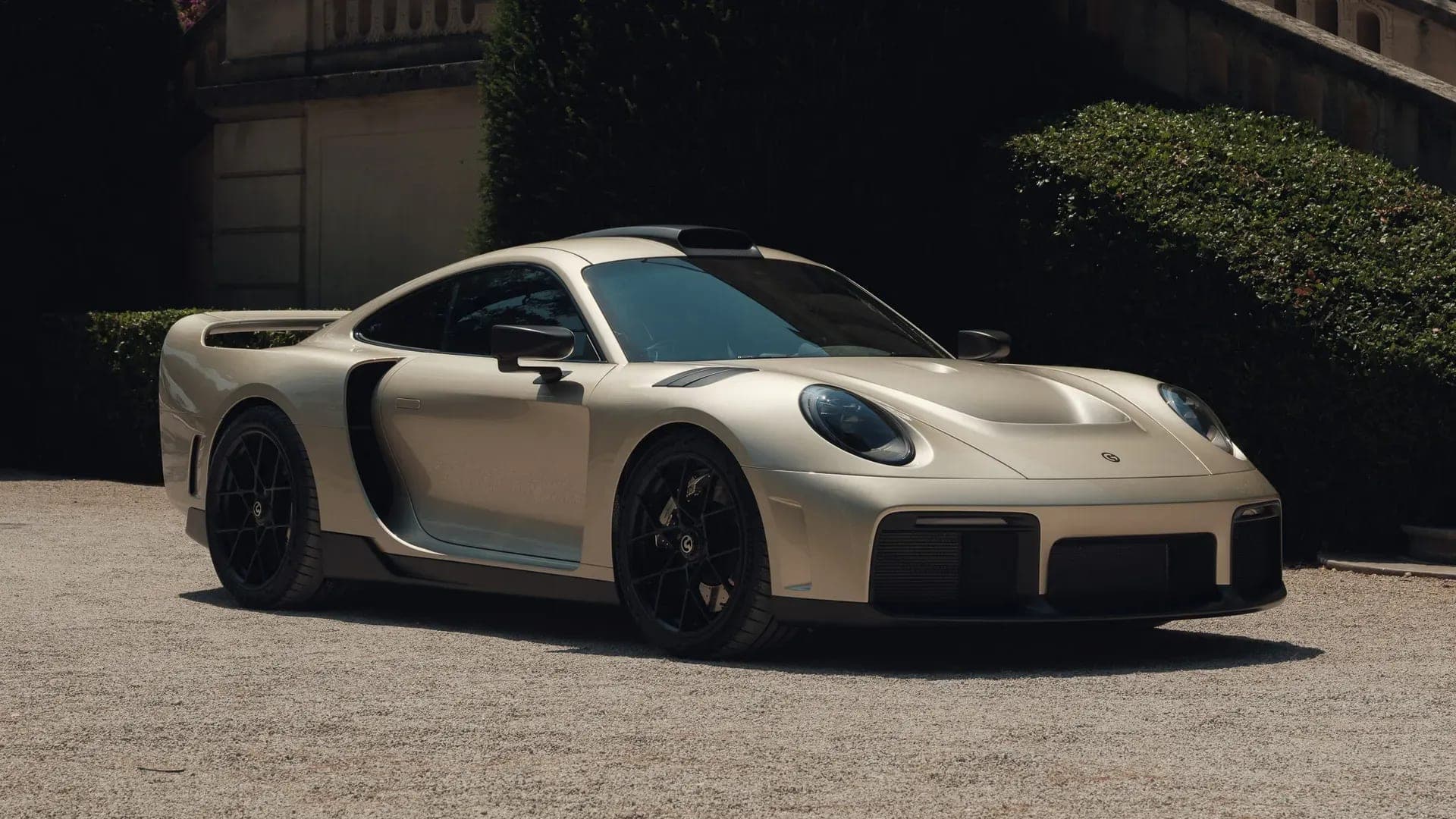
Porsche is reviving a petrol Macan, and leaning on Xpeng's EV credits to cover the emissions
Porsche is not just pooling emissions. It is buying cover for a return to petrol.
Porsche has left Volkswagen Group's EU emissions pool and joined a new one with Chinese EV maker Xpeng for 2026 and 2027. The move was first reported by analyst Matthias Schmidt, based on an EU filing dated 5 August. Porsche says the arrangement does not change its long-term strategy.
Leaving the family pool solves two problems for two companies
Under EU Regulation 2019/631, manufacturers can pool their fleets so higher-emitting brands offset their CO2 average against lower-emitting ones, typically pure-electric makers running a surplus. Porsche had previously averaged its sports car emissions across the wider VW Group fleet, alongside Volkswagen, Audi, Škoda and Cupra. It is now directing its own open pool and has invited other manufacturers to join, subject to a confidentiality agreement. Spanish outlet El Español reported a deadline of around 5 September for additional participants. For Volkswagen Group, removing Porsche's higher-emitting fleet from the shared pool improves the odds of hitting its own three-year target through its own BEV lineup, including the upcoming ID. Polo.
The Volkswagen Group's compliance math explains the urgency
Volkswagen Group averaged close to 100 g/km across its EU new-car fleet in 2025, against a regulatory target of roughly 93.6 g/km. EU rules fine manufacturers €95 per gram of CO2 over that limit, for every vehicle registered, though a three-year flexibility mechanism introduced in March 2025 lets the group average its performance across 2025 to 2027 instead of settling annually. The gap is real: through June 2026, the International Council on Clean Transportation put the Volkswagen pool 7 g CO2/km above its target, the furthest from compliance of any pool it tracks. Group CFO Arno Antlitz put a figure on the exposure during the company's first-quarter earnings call in May, estimating annual EU CO2 costs of €400 to €500 million, close to €1.5 billion across the full three-year window, and framed it as a deliberate trade-off against the margin lost from pushing EV volumes above natural demand.
Porsche's own figures are the other half of the story
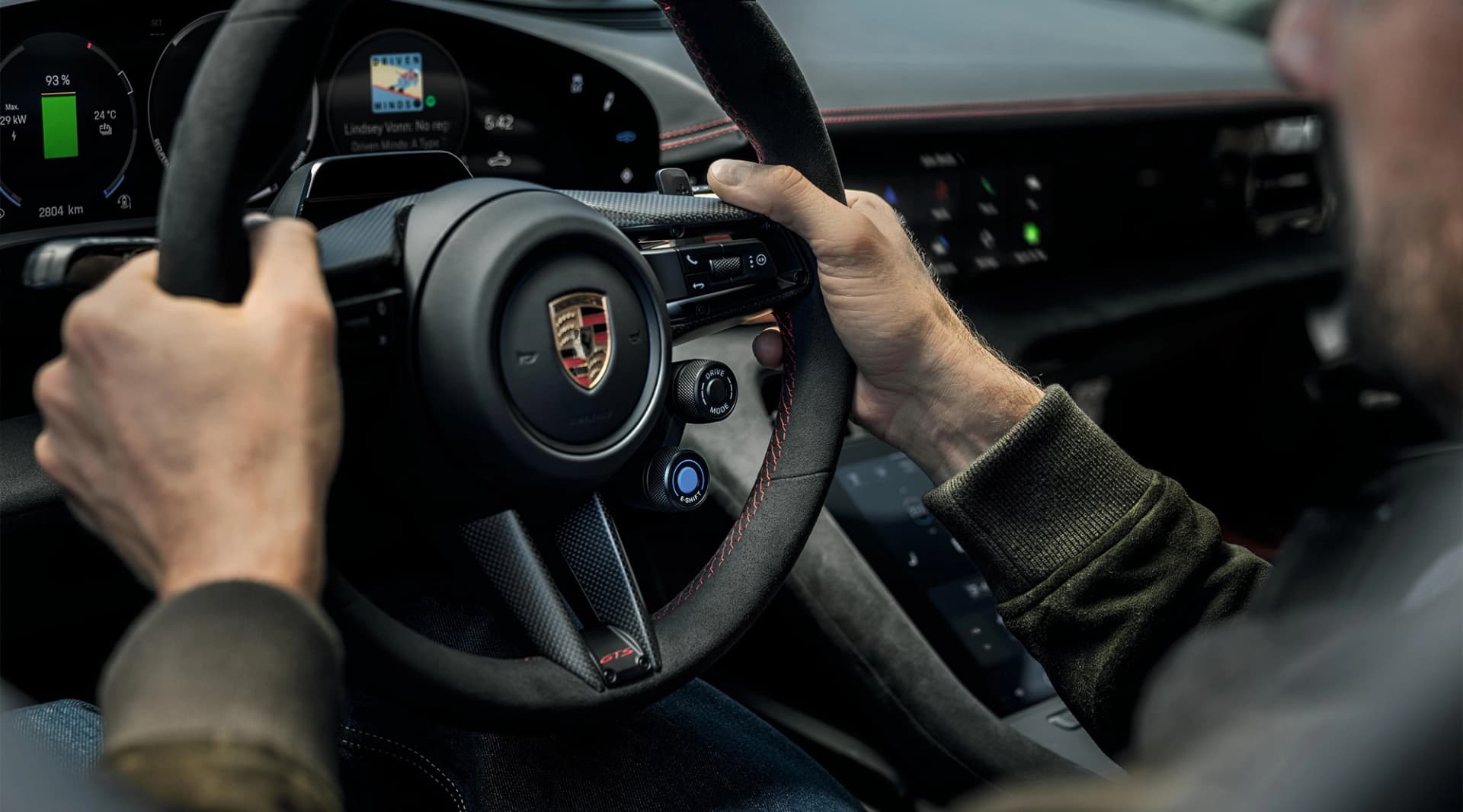
Taycan sales fell around 20 percent year on year through June, and Macan registrations dropped roughly 30 percent across Europe over the same period. The Cayenne Electric was the only model line to grow, though from a near-zero base as deliveries only just began. Porsche's overall battery-electric sales across Western Europe fell close to 30 percent year on year in the first half of 2026, to roughly 23,700 units, with BEVs slipping from around 40 percent of the brand's regional volume to about 30 percent. Layered on top of that, the Macan's petrol variant, unavailable for close to two years following a 2024 cybersecurity and type-approval update, is expected to return, which will push the brand's average fleet emissions higher still.
Xpeng gets an easier route to European scale
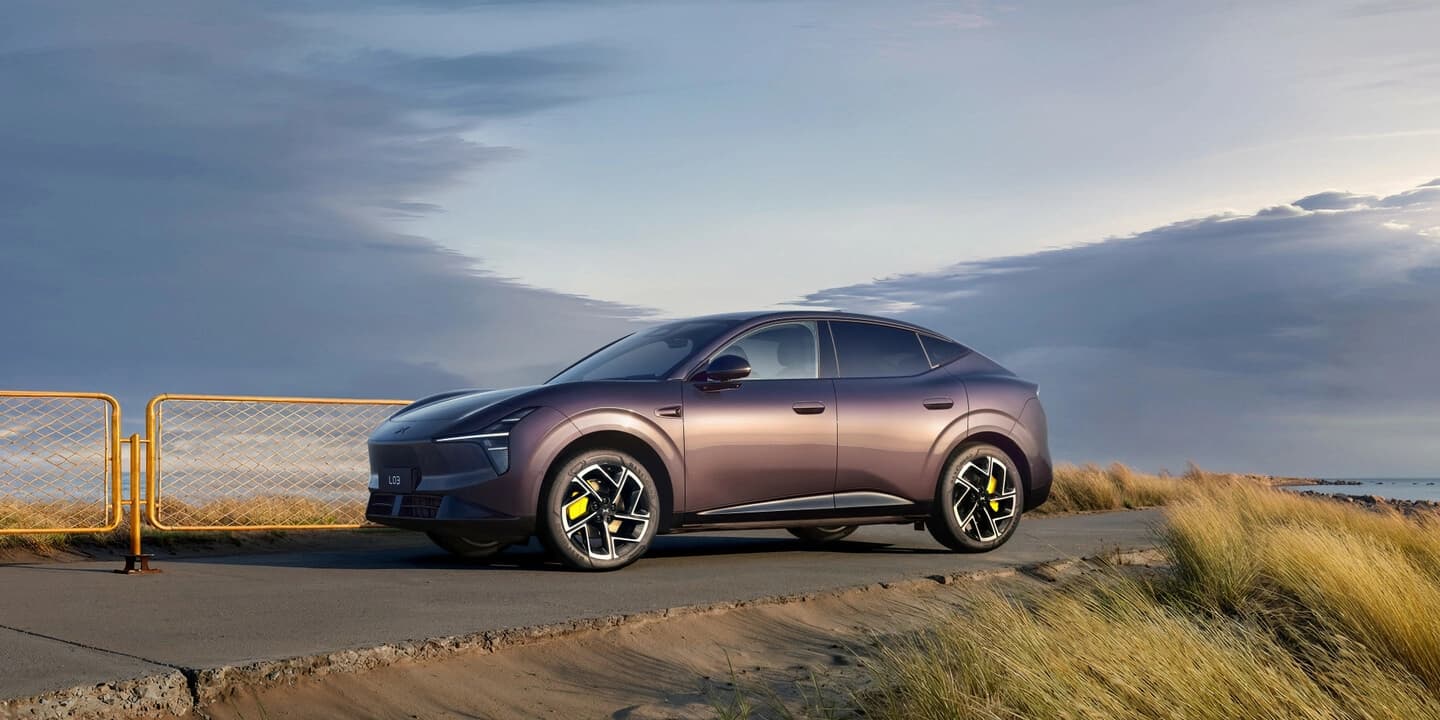
Xpeng entered Europe through Norway in 2021 and now sells in more than 25 markets. Registrations roughly doubled year on year to close to 20,000 units in the first half of 2026, with full-year deliveries projected near 50,000, putting the brand on track to overtake Polestar as the leading Chinese premium name in Western Europe. Its L03 coupe-SUV launched across several European markets in July. Xpeng currently builds the G6, G9 and P7+ from semi-knockdown kits at Magna Steyr's plant in Graz, Austria, with a fourth model due into local production before year end, a setup that lets it avoid the EU's 20.7 percent countervailing duty on Chinese-built EVs.
This deal sits on top of an already close relationship
Volkswagen invested roughly $700 million (about €640 million at the time) for a stake of close to 5 percent in Xpeng in 2023, and the two have since expanded cooperation across EV platforms, autonomous driving software and charging infrastructure in China, including the ID. ERA 5X. Earlier this year Volkswagen adopted Xpeng's second-generation Vision-Language-Action autonomous driving system, becoming the first major Western manufacturer to commercially integrate Chinese-developed AD software. Xpeng's UK and Eastern Europe managing director, Elvis Cheng, said in May the company was in early talks with Volkswagen Group about European manufacturing to supplement the stretched Graz facility. Xpeng founder and chief executive He Xiaopeng went further at the L03's Munich launch in July, telling WardsAuto he hoped to finalise a partnership with Volkswagen Group and naming southern Germany as the leading candidate for further production and R&D.
Pooling is common, this pairing is not
Two open pools are already declared for 2026, led by Tesla and Mercedes-Benz, alongside closed pools including BMW's, which groups BMW M and Rolls-Royce for 2026 and 2027, and Hyundai's, which consolidates its Czech and Turkish operations. What sets this one apart is the loop it closes: Volkswagen Group holds roughly a 5 percent stake in Xpeng, so its own sports car brand is now buying compliance headroom from a company its parent part-owns.
AutoNext Take
Porsche's statement is doing a lot of work here. “Flexibility in the transition to electric mobility” is a tidy way of describing a company whose electric share just fell ten percentage points in a single year, and which is about to widen its own emissions gap by bringing a petrol engine back from the dead.
Pooling itself is not the scandal. It is a normal, legal mechanism that Tesla, Mercedes-Benz, BMW and Hyundai all use in some form. What this particular pairing reveals is sharper. Volkswagen Group would rather cut its most profitable brand loose from the family pool than let one struggling model line drag its own average further from a target it is already missing by seven grams per kilometre. Xpeng, a company Volkswagen itself part-owns, gets to monetise the exact volume gap Porsche cannot close on its own. That is not a coincidence. That is the trade.