Porsche advertises 1,093 hp, the registration papers say 220
Electric power figures are not lies. They are answers to a question nobody told you was being asked.
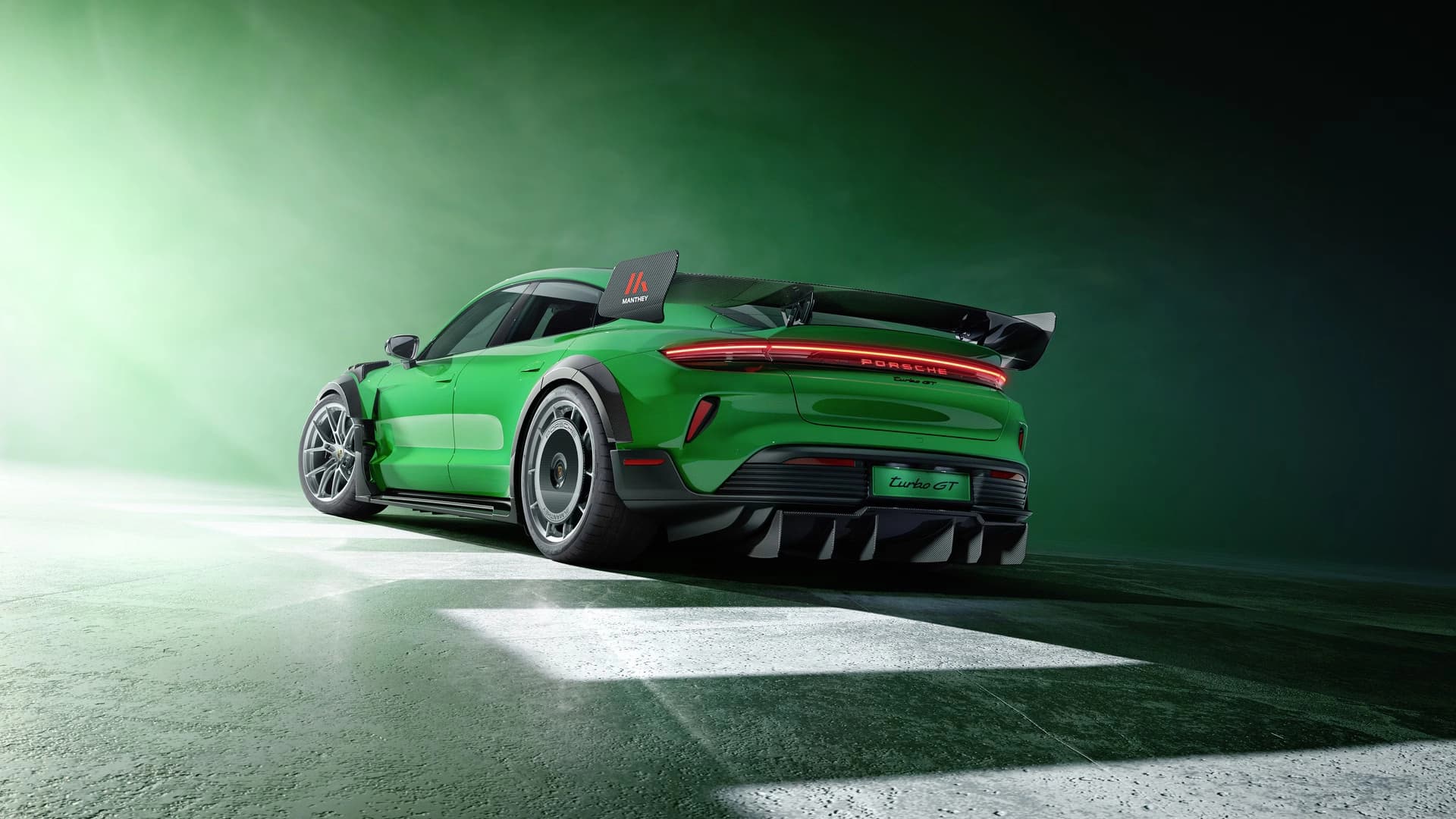
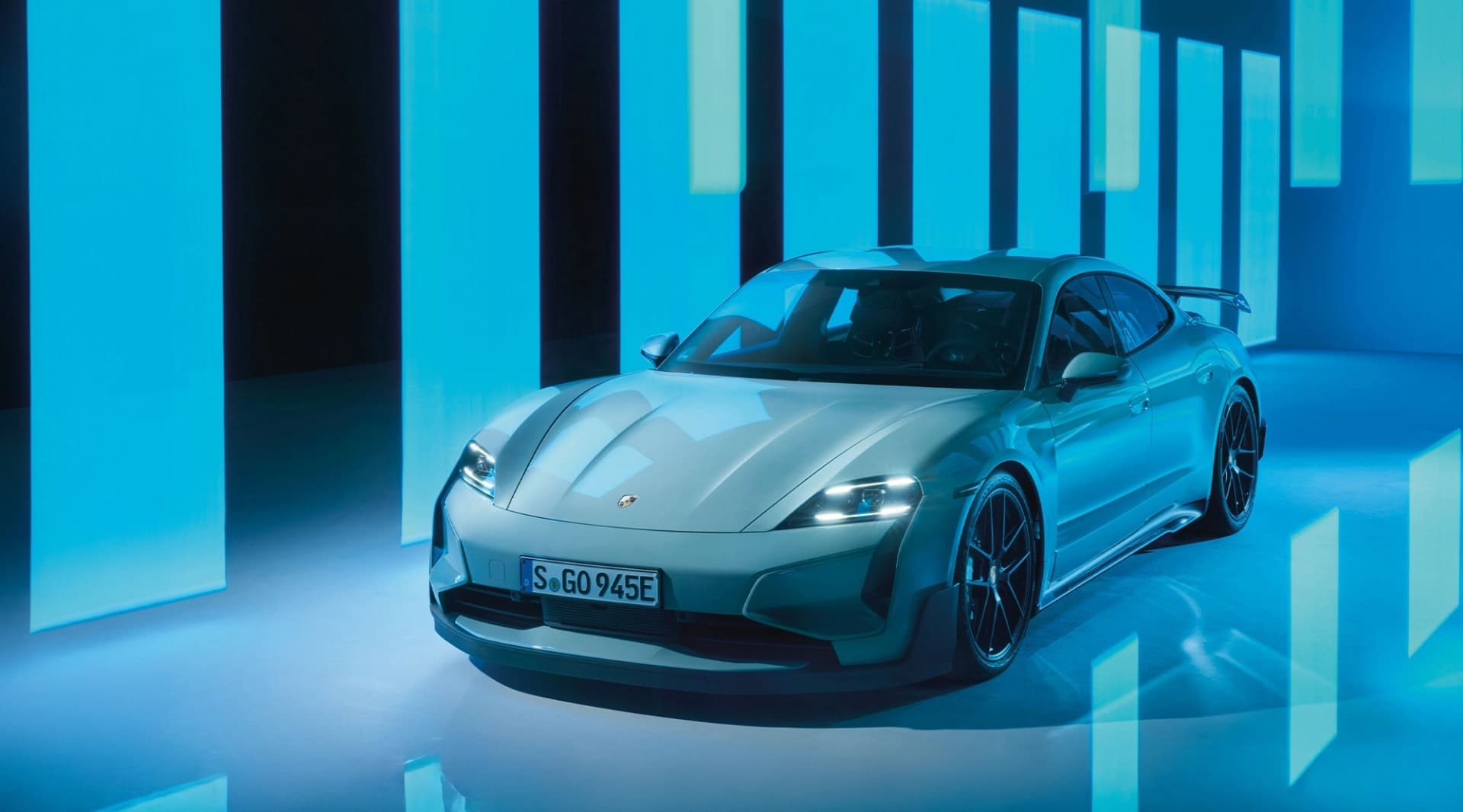
Porsche's own configurator credits the Taycan Turbo GT with 778 hp. Plant both feet for launch control and it makes 1,019 hp. Hold Overboost and, for two seconds, it makes 1,093 hp. Then register that same car in Germany and the document that comes back through the letterbox credits it with 220 hp. Nobody in this story is lying, and no figure has been rounded in anyone's favour. There are simply two completely different questions being answered, by two different rulebooks.
The two-second number
The four-figure outputs come from UN Global Technical Regulation 21, a standard written precisely because you cannot work out an electric car's system power by adding its motors together. The battery, the inverters, the state of charge and the cooling loop all get a vote, so GTR 21 measures what the complete car delivers at its best possible moment. The catch is in the definition of moment. Porsche is entirely open about it: the 1,093 hp peak lasts two seconds, and only when the pack is at the right temperature and the right charge level.
The thirty-minute number
UN Regulation 85 asks something else. Not what can this drivetrain do at its peak, but what can it average across half an hour, once heat has had time to arrive and stay. For the Taycan Turbo GT that answer is 220 hp. A Hyundai Ioniq 5 N advertised at 641 hp is rated at 213 hp on the same test. This is not a prediction that your car wilts somewhere south of Milan. It is a deliberately conservative, standardised floor, measured on a bench, and it is the number the paperwork keeps forever.
Not a German quirk
It is tempting to file this under German bureaucracy, because German registration documents are the ones owners photograph and post in disbelief. That would be wrong. Regulation 85 is a United Nations text that the European Union folded into its own type-approval rules, which means the 30-minute figure is calculated once and then travels with the vehicle's certificate of conformity into every member state. Buy the same Taycan in Belgium, France or Poland and the same modest number is sitting in your file. Most owners simply never go looking for it.
Hyundai already built the answer
The genuinely useful development is that one carmaker has stopped arguing about which figure is real and put both of them in the car. The Ioniq 5 N's N Race mode offers a choice between Sprint and Endurance. Sprint gives full power on demand. Endurance caps the spikes to slow the heat build-up and keep the car circulating for a longer session. Strip away the branding and that is a manufacturer conceding, inside a menu, that peak and sustained output are two separate products being sold under a single horsepower number.
Petrol played the same game
None of this is an electric failing, and none of it is new. Ford's mid-2010s Fiesta ST was sold as a 180 hp car in Europe and a 197 hp car in the United States on essentially identical hardware, the only difference being that American rules let Ford advertise the temporary overboost figure while European ones did not. Combustion cars have quoted their best few seconds for decades. What has changed is scale: when the gap was 17 hp nobody cared, and advertising regulators are now taking a much closer look at what EVs claim.
AutoNext Take
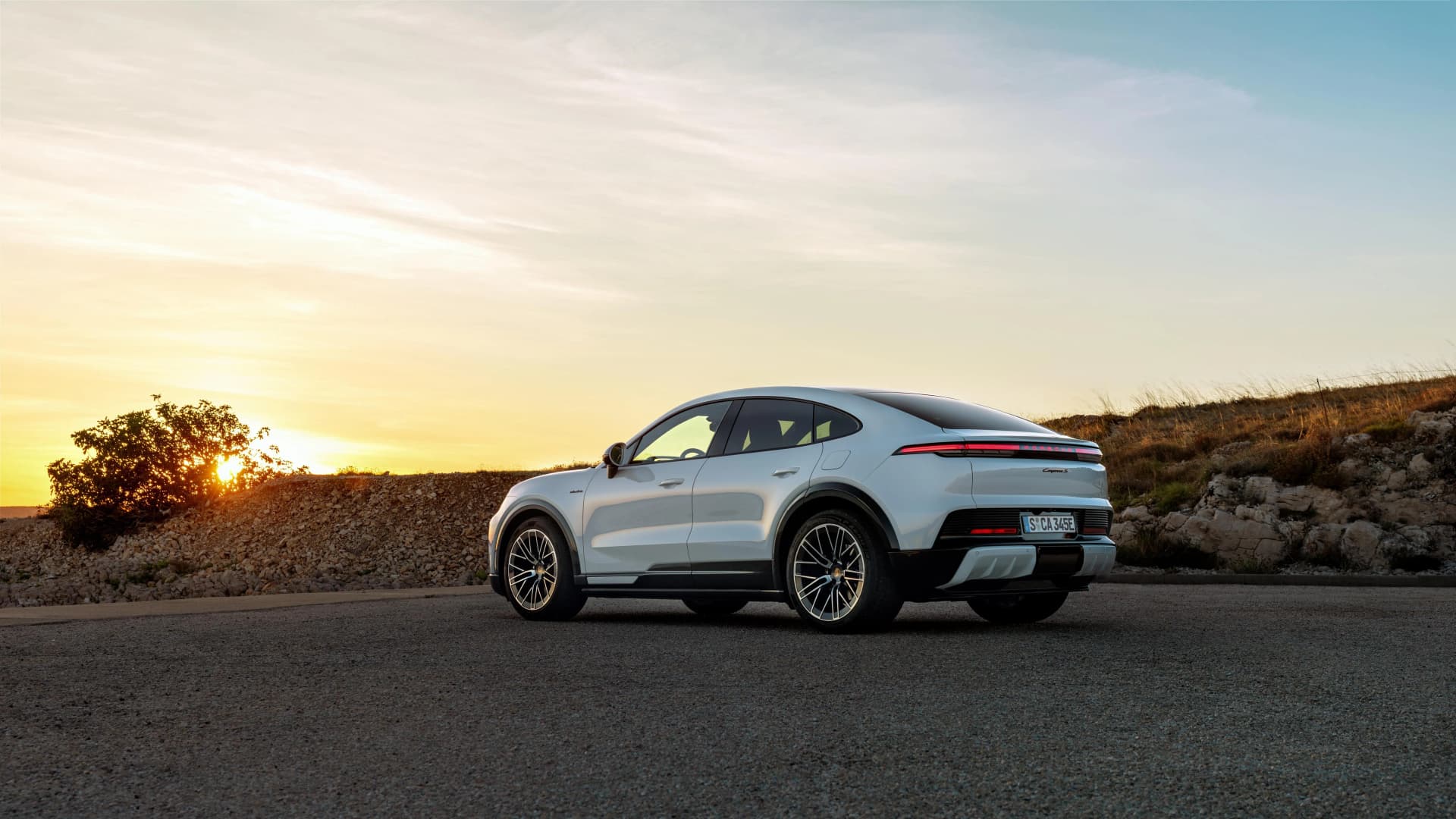
The two-second figure is honest for the job it describes. A Taycan Turbo GT with the Manthey kit went round the Nordschleife in 6:55, comfortably inside the window where that power is actually available, so nobody buying that car is being short-changed by the brochure. The problem arrives when the same marketing habit is transplanted onto cars sold on endurance rather than on a single lap. Porsche's electric Cayenne is homologated to tow 3,500 kg. Hauling that up an Alpine pass is not a two-second event, and no brochure in Europe tells you what the car is producing in minute twenty-five.
Here is the bet. Within five years the continuous figure stops being a curiosity buried in a registration document and starts appearing next to the peak, the way WLTP range now sits next to a 0-100 time. It will not happen because Brussels forces it. It will happen because the first family to crest a mountain pass with a caravan behind them and a power-limit warning on the dash writes about it, and the number nobody advertises turns out to be the one that decides whether an electric car is any good at the boring things.