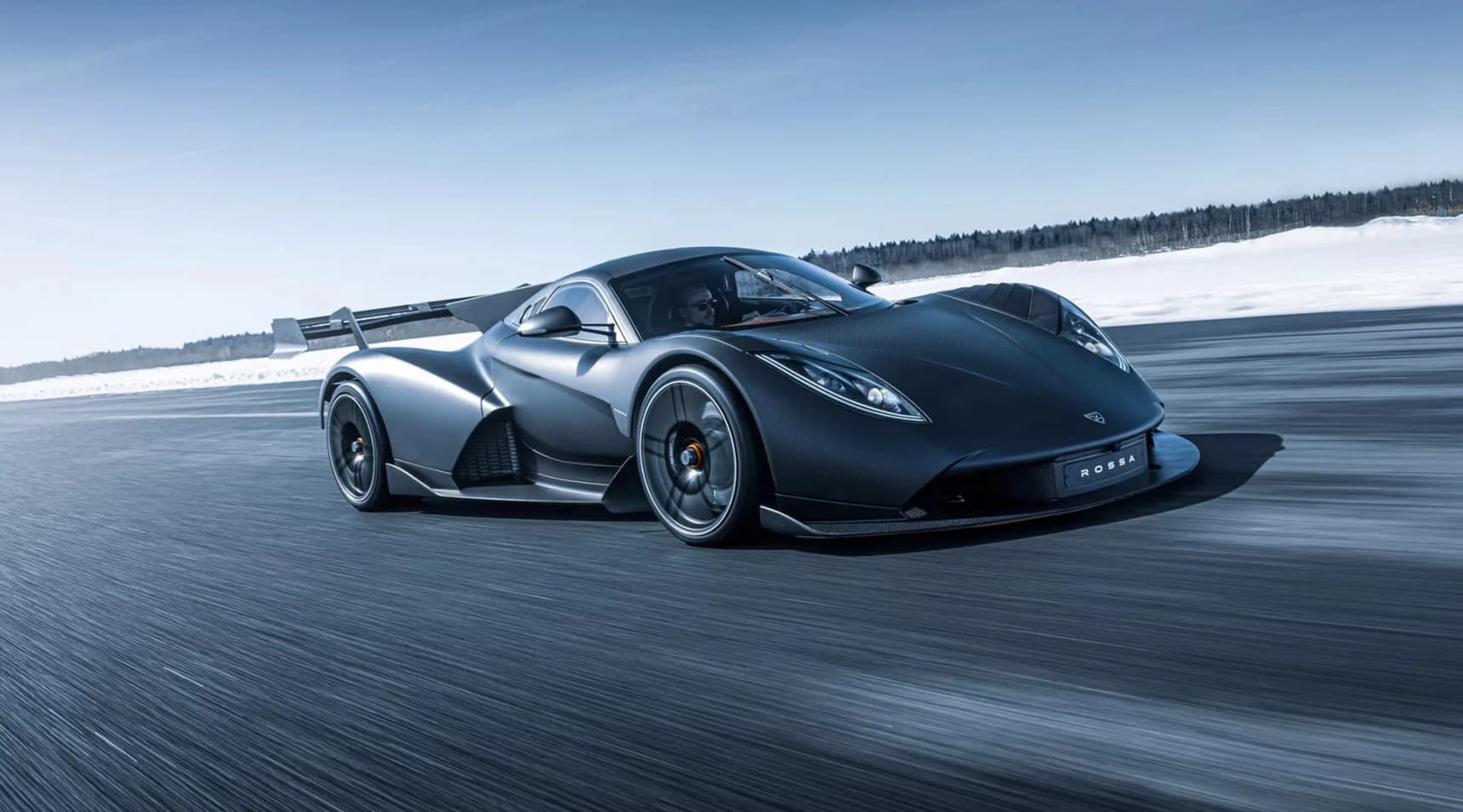
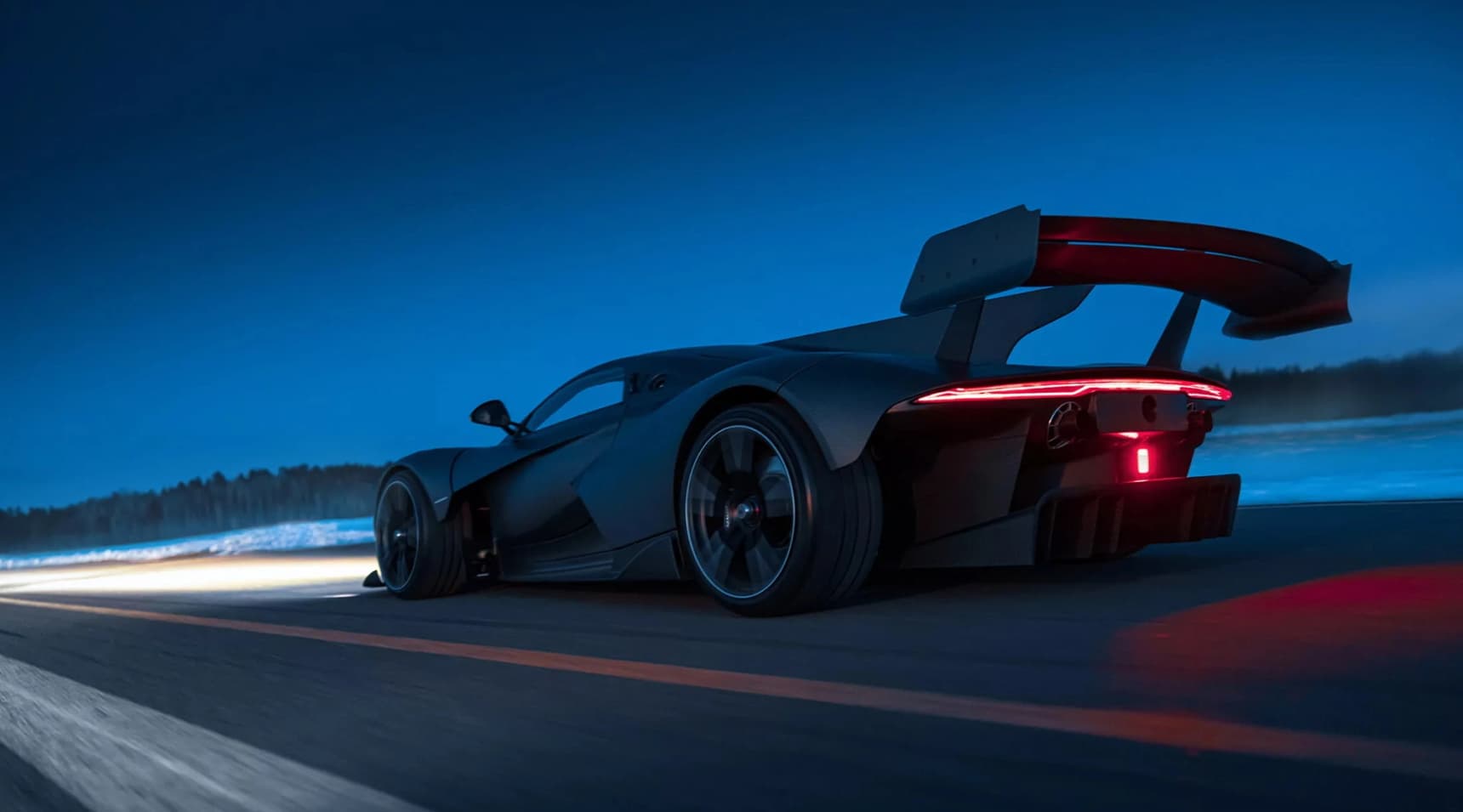
Rossa LM GT is a Russian-rooted V10 race car with Marussia DNA
23/05/2026
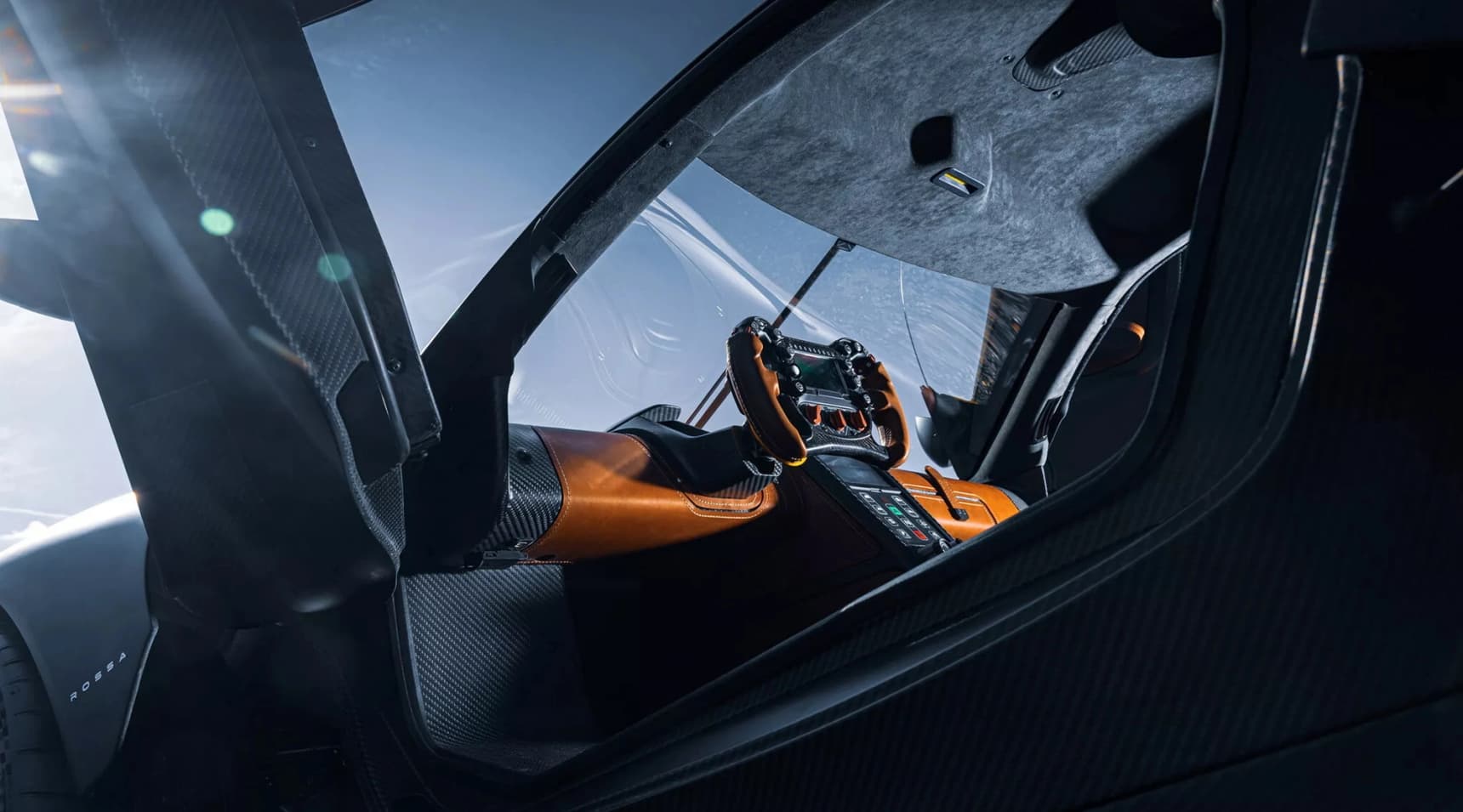
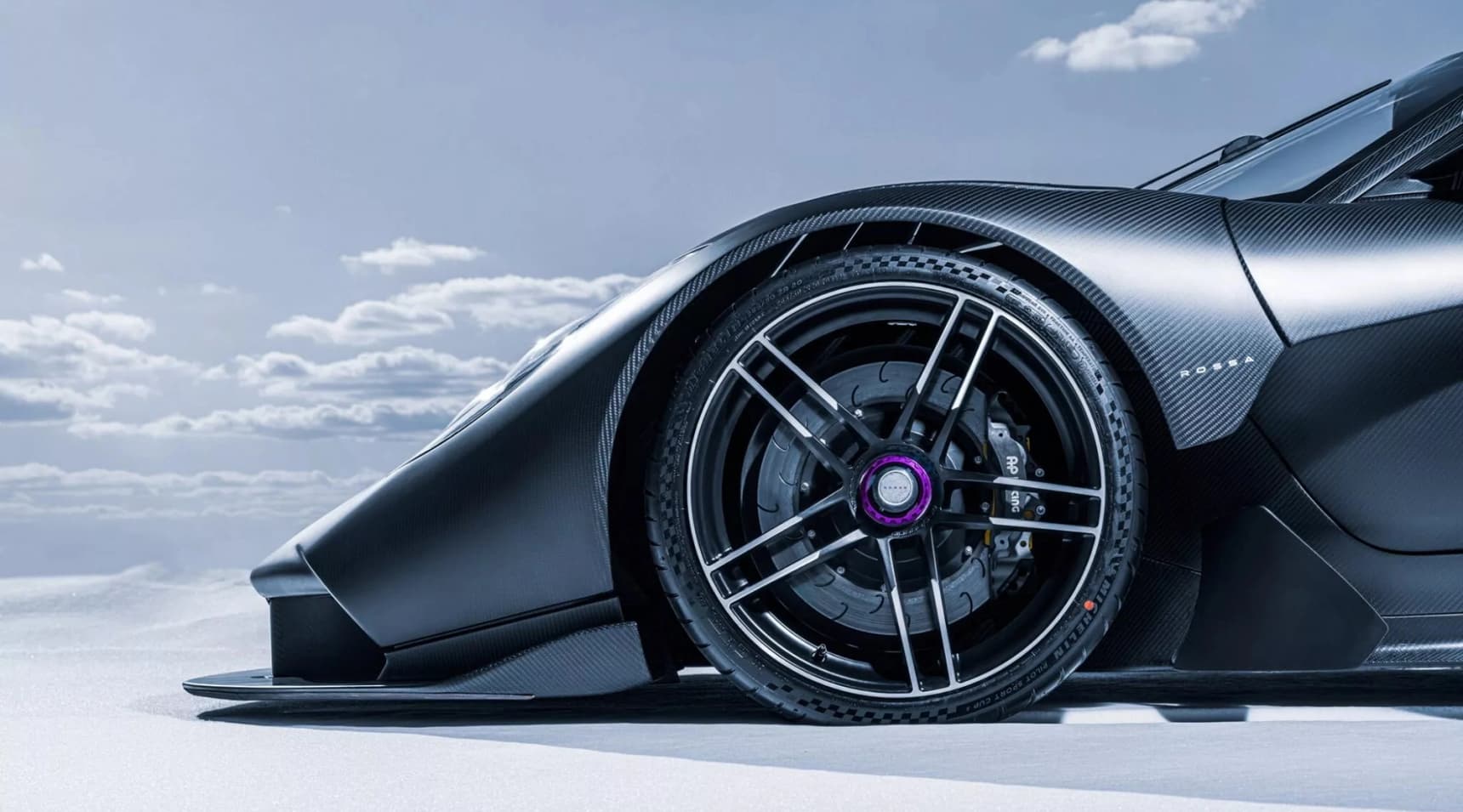
Did you know the Rossa LM GT is not just another obscure endurance race car?
Behind the dramatic bodywork, the Judd V10 and the Dubai 24 Hours debut sits a much stranger and more fascinating story. A story that links back to the Marussia B1, the Phoenix prototype, the Russian Endurance Championship and one of the most ambitious unfinished supercar projects of the 2000s.
It starts before Rossa, with the Marussia dream
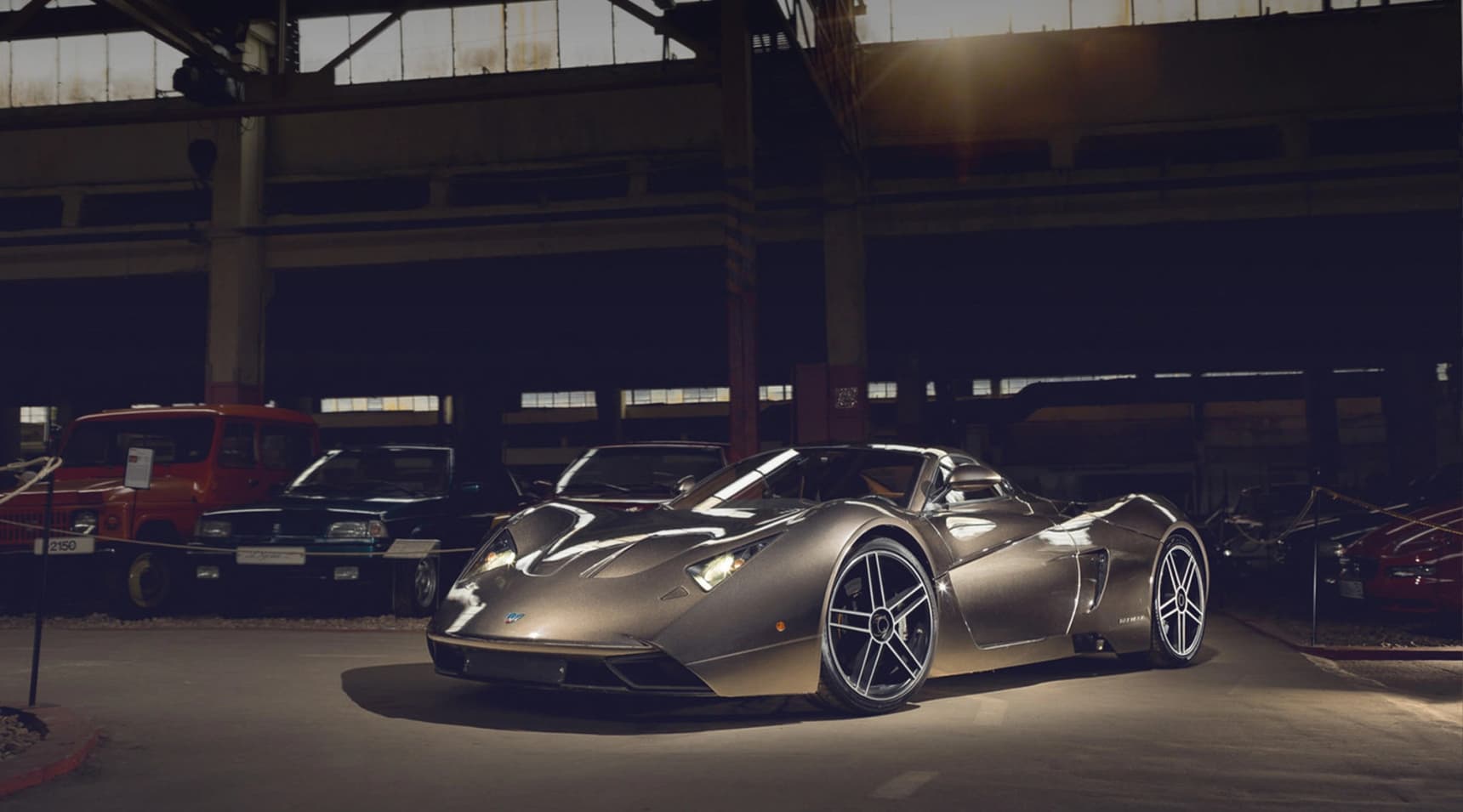
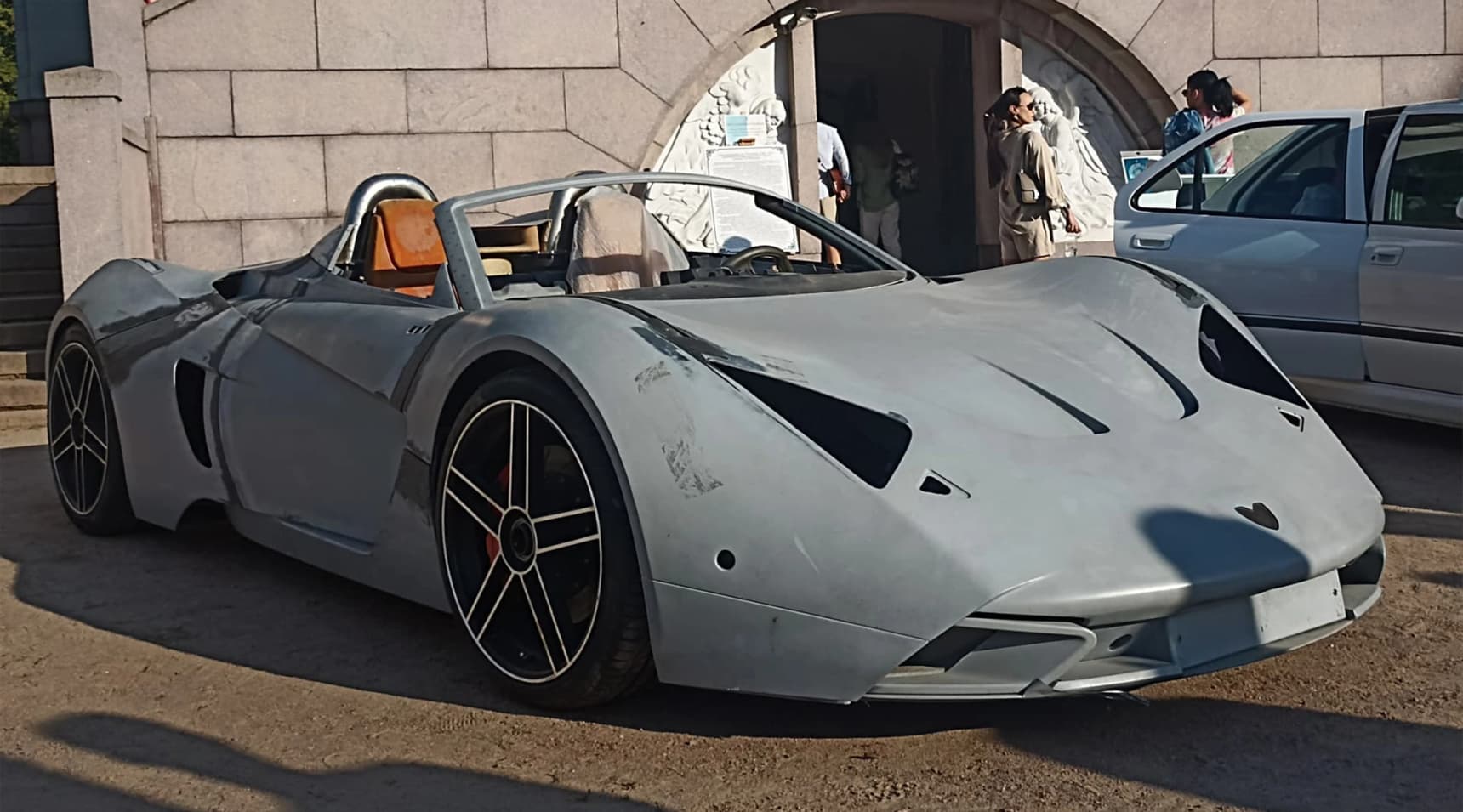
Before the Rossa LM GT, there was Marussia. The Marussia B1 was Russia’s bold attempt at building a true supercar. It was born from motorsport thinking, using ideas that came from the earlier Phoenix prototype, developed by engineer Igor Yermilin after the Lada Revolution racing project exposed the need for a more durable, cost-effective alternative.
The Phoenix used an aluminium monocoque, steel frame elements and pushrod suspension. It was not glamorous, but it had the ingredients of a serious race-bred platform. Then came Nikolai Fomenko, who imagined something more ambitious: a road-going supercar built around that kind of racing soul. The result was Marussia Motors and the B1, a car that mixed lightweight construction, bold design, advanced electronics and genuine technical ambition.
It had aluminium structure, steel subframes, double-wishbone suspension and early use of carbon fibre bodywork. It also had plenty of issues: cooling problems, supplier complexity, electronics that drained the battery, crash-test challenges and the usual pain of trying to build an independent supercar from scratch.
From Marussia to Rossa
Fast-forward to the 2020s and the story picks up again with Roman Rusinov, a well-known Russian endurance racer and WEC LMP2 champion. After Russian drivers and teams faced restrictions on the international racing stage following the war in Ukraine, Rusinov turned more attention toward domestic endurance racing. The result was Rossa, short for Russian Sports Cars, with the ambition to build a homegrown GT machine capable of racing not only locally, but eventually on a wider stage.
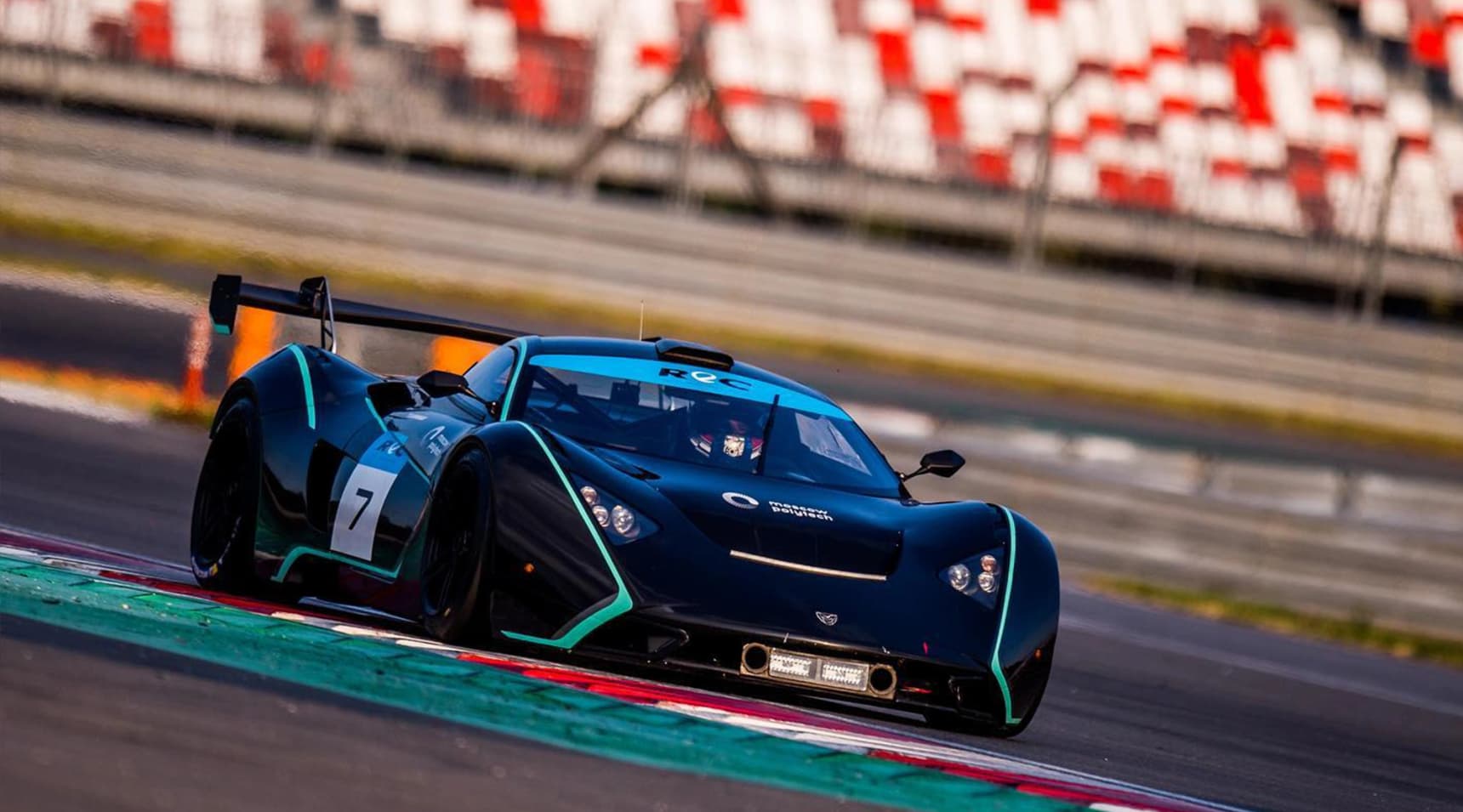
That is where the Marussia connection becomes important. The early Rossa GT LM Concept was developed with involvement from people linked to the Marussia project, including Igor Yermilin. It used the backbone of the Marussia B1 idea, but with a new body, longer wheelbase, different aerodynamics and a different powertrain.
From Audi-style V10 concept to Judd V10 race car
The first Rossa GT LM Concept used a naturally aspirated 5.2-litre V10, widely believed to be related to the Audi R8 and Lamborghini Huracán engine family, producing around 680 hp. But the racing version moved in an even more dramatic direction.
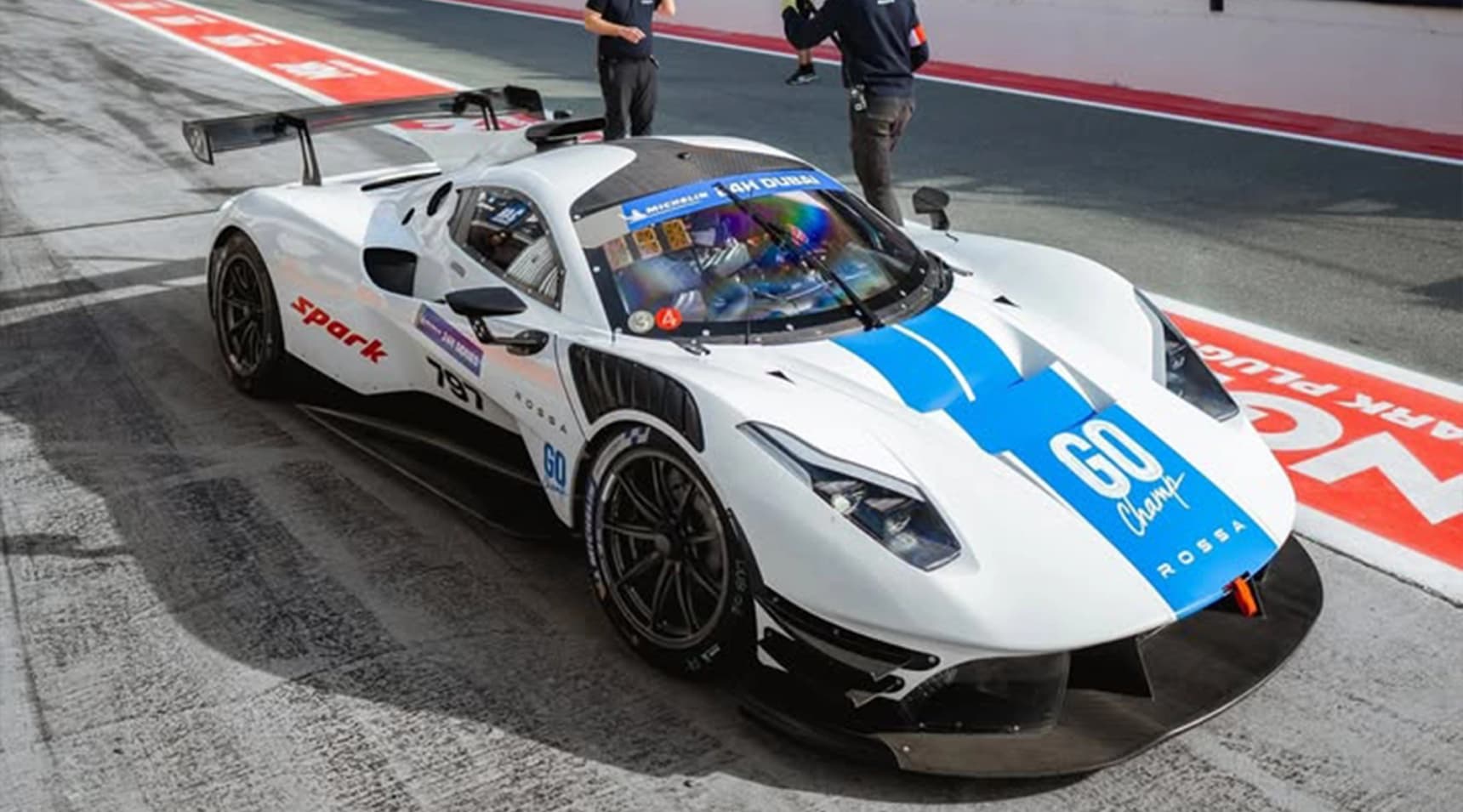
The Rossa LM GT prepared for the GTX / Special GT class is linked to a Judd 5.5-litre naturally aspirated V10, an engine name with serious prototype racing heritage. The unit is said to produce around 680 hp, but the bigger story is weight and character: high revs, race response and around 140 kg for the engine itself.
Paired with a sequential transmission, the car is claimed to accelerate from 0 to 100 km/h in around 3.2 seconds, with a claimed top speed of up to 380 km/h.
A race car first, road car later
The Rossa LM GT is being developed with racing in mind first. The car appeared in concept form in the Russian Endurance Championship at Moscow Raceway, where it showed pace but also suffered issues, exactly as you would expect from a young race car at this stage of development.
The next major step is international endurance racing, including the 24 Hours of Dubai, operated by Swiss private team Graff Racing with drivers including Roman Rusinov, Evgeny Kireev, Nikita Mazepin and Harrison Newey.
Longer-term, Rossa has talked about GT2 certification, GT3 ambitions and even a road-legal supercar derived from the same project. If Rossa can turn the LM GT into a real homologation-style road car, it would become one of the strangest modern supercar stories in the world.
The politics cannot be ignored
Of course, this story is complicated. Rossa has been described by some international media as UAE-based, but the project clearly has deep Russian roots through Rusinov, Marussia-linked engineering talent and the Russian endurance racing scene. Given the current geopolitical context and sanctions environment, that makes the car more than just an engineering story.
It also raises questions.
Where will it race?
Who will buy it?
How international can the project really become?
And how much can a Russian-rooted supercar brand grow in today’s motorsport climate?
AutoNext Take
The Rossa LM GT is not a polished factory hypercar from an established brand. It is not a clean, perfect, luxury-marketed limited edition. It is a complicated machine with complicated origins, built from unfinished dreams, old engineering ideas, Russian motorsport ambition and a desire to race on a global stage.
The Marussia B1 was a fascinating “what if?” moment. The Rossa LM GT feels like one possible answer to that unfinished question. What happens when the people, ideas and ambitions behind that first Russian supercar dream refuse to disappear?
Will it succeed? No idea. But did you know it existed? Now you do.